Last updated November 21, 2026
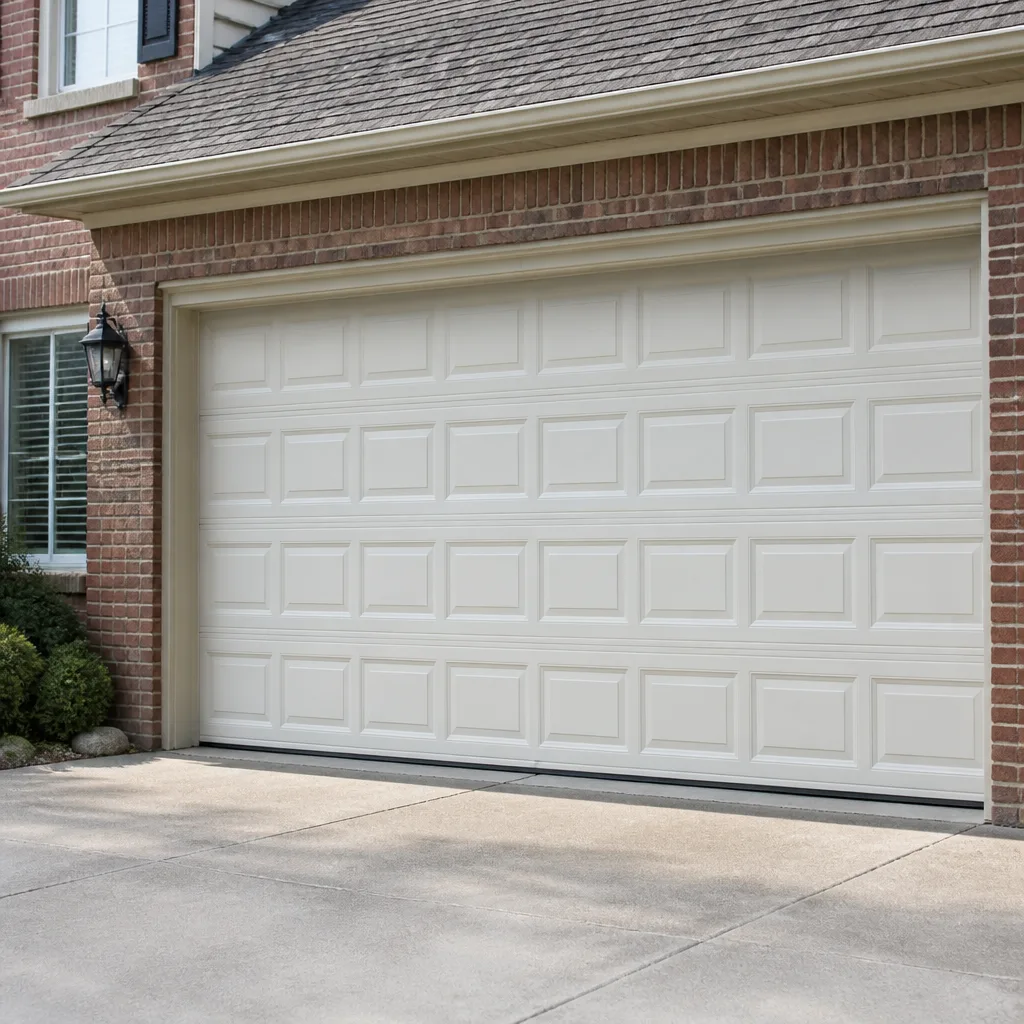 Raised-panel steel
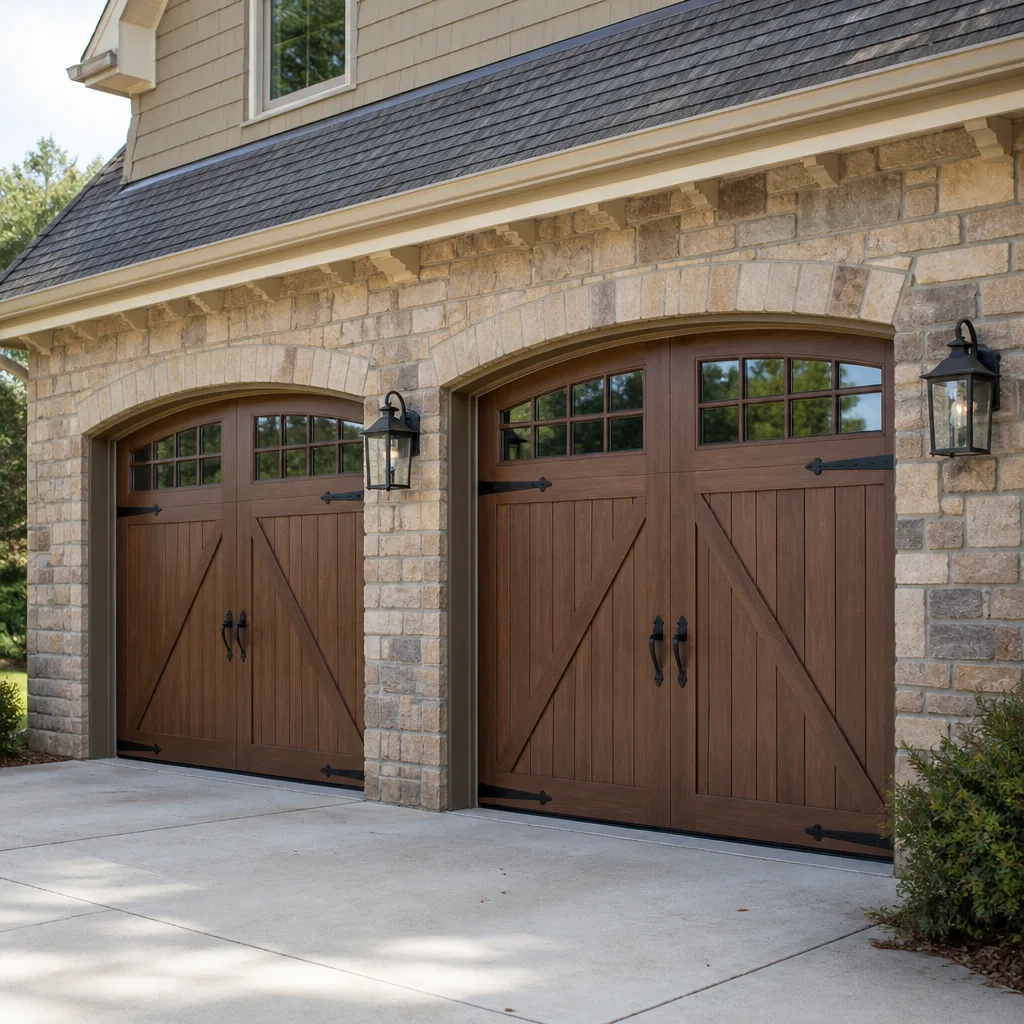 Carriage house
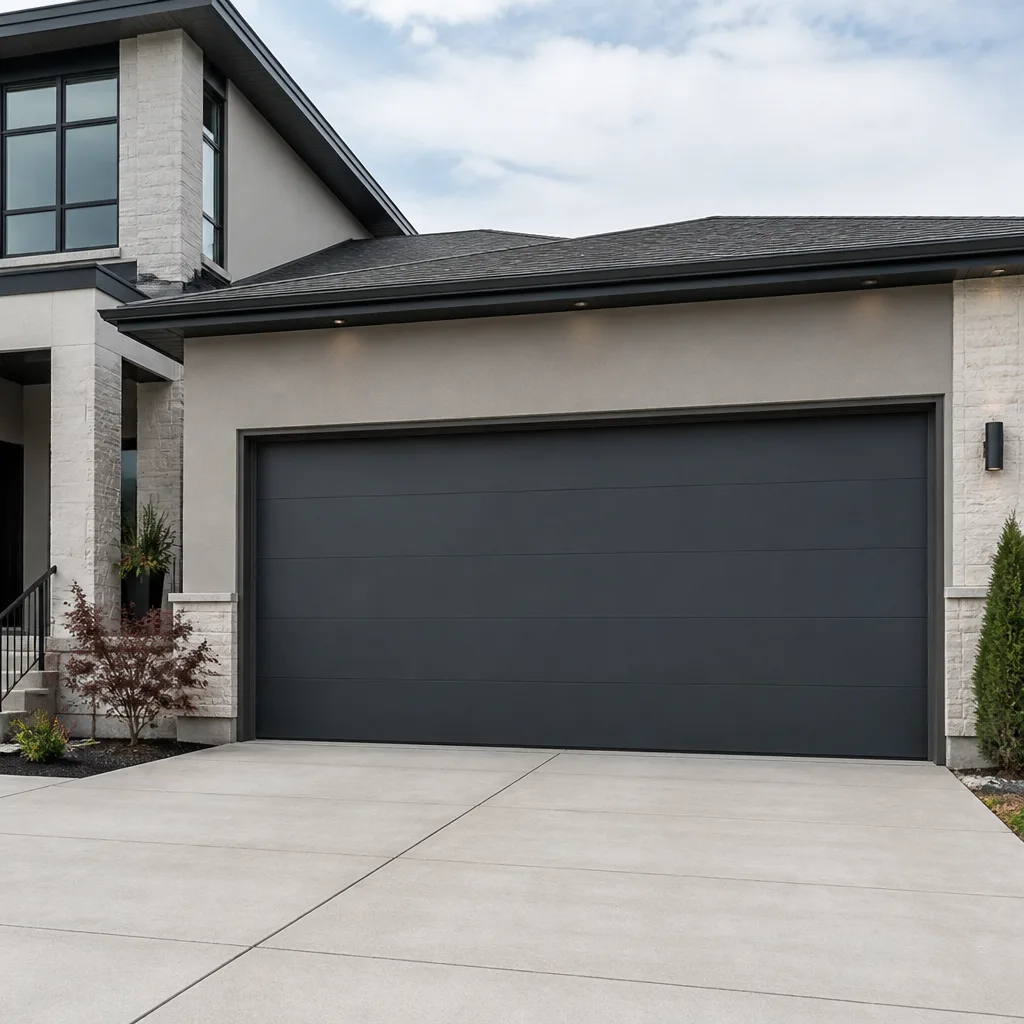 Modern flush
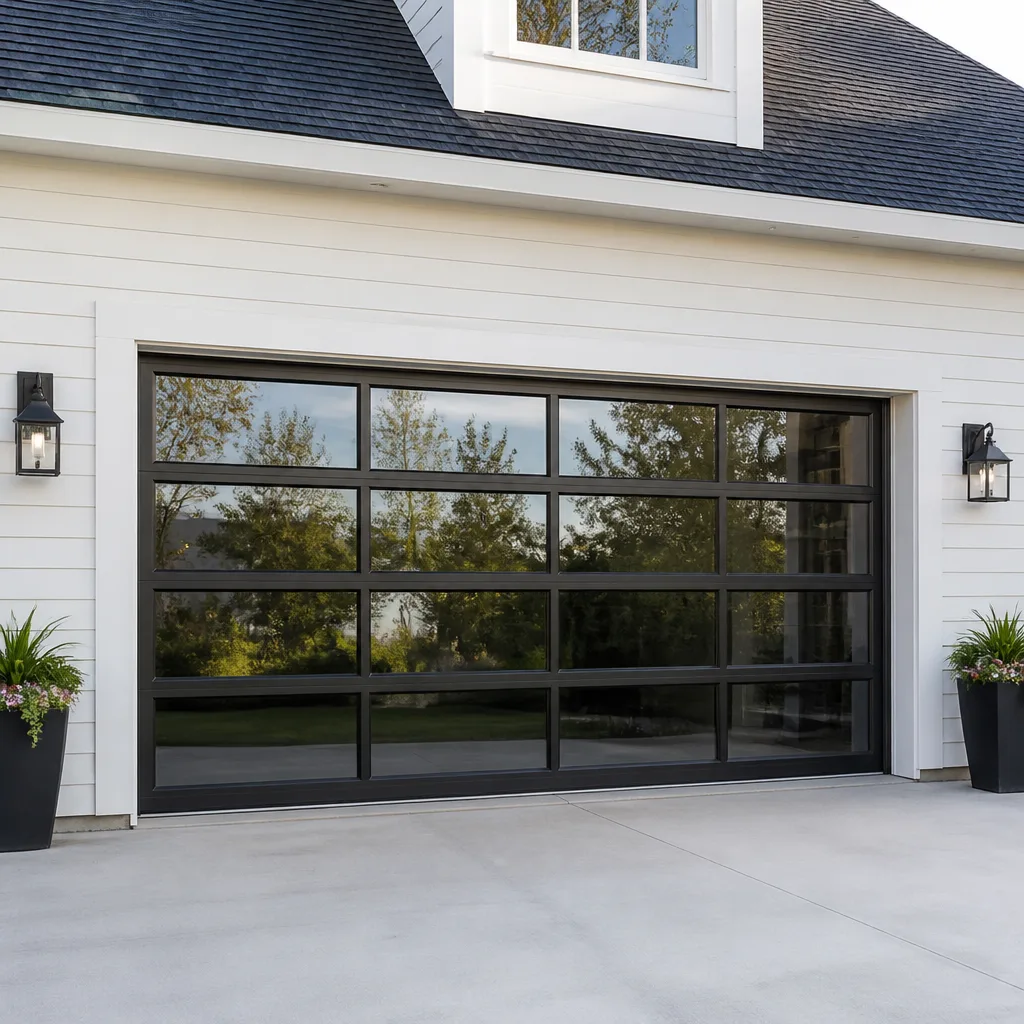 Full-view glass
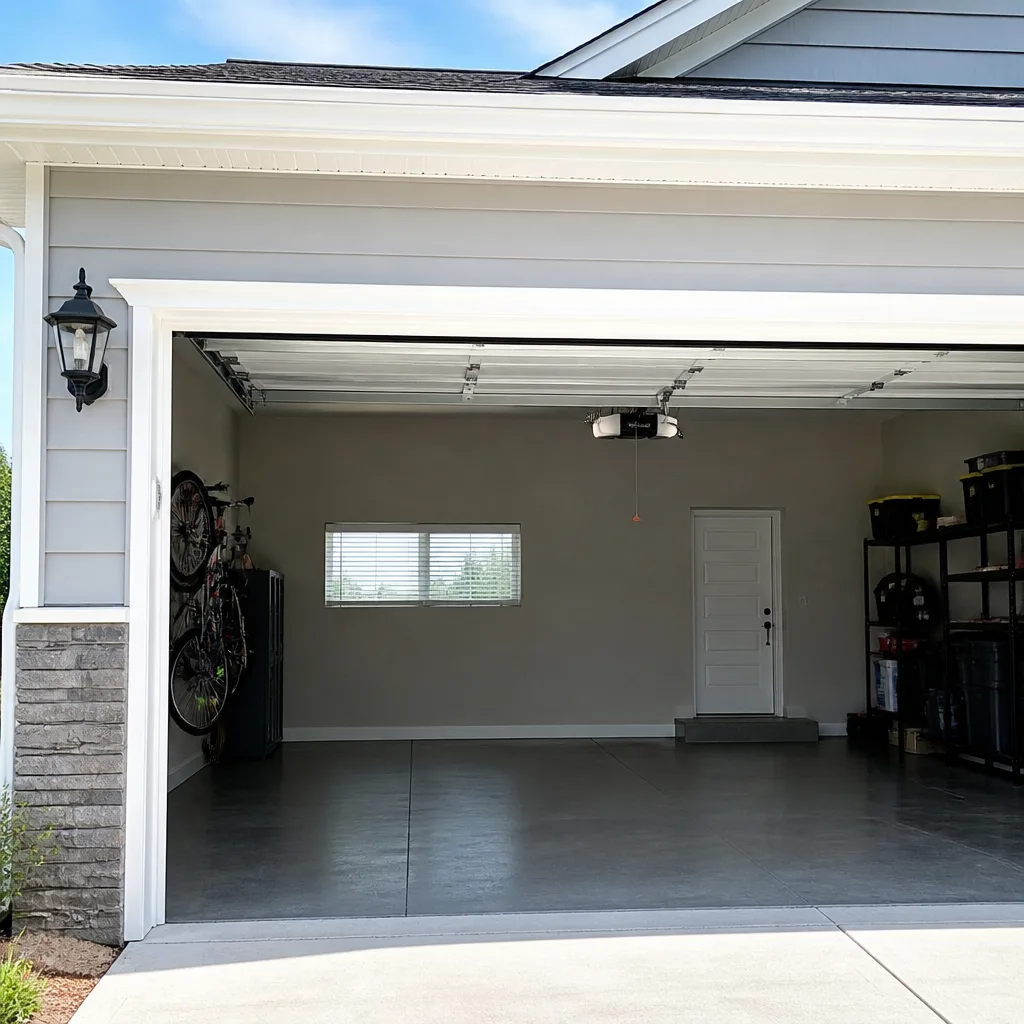 LiftMaster openers
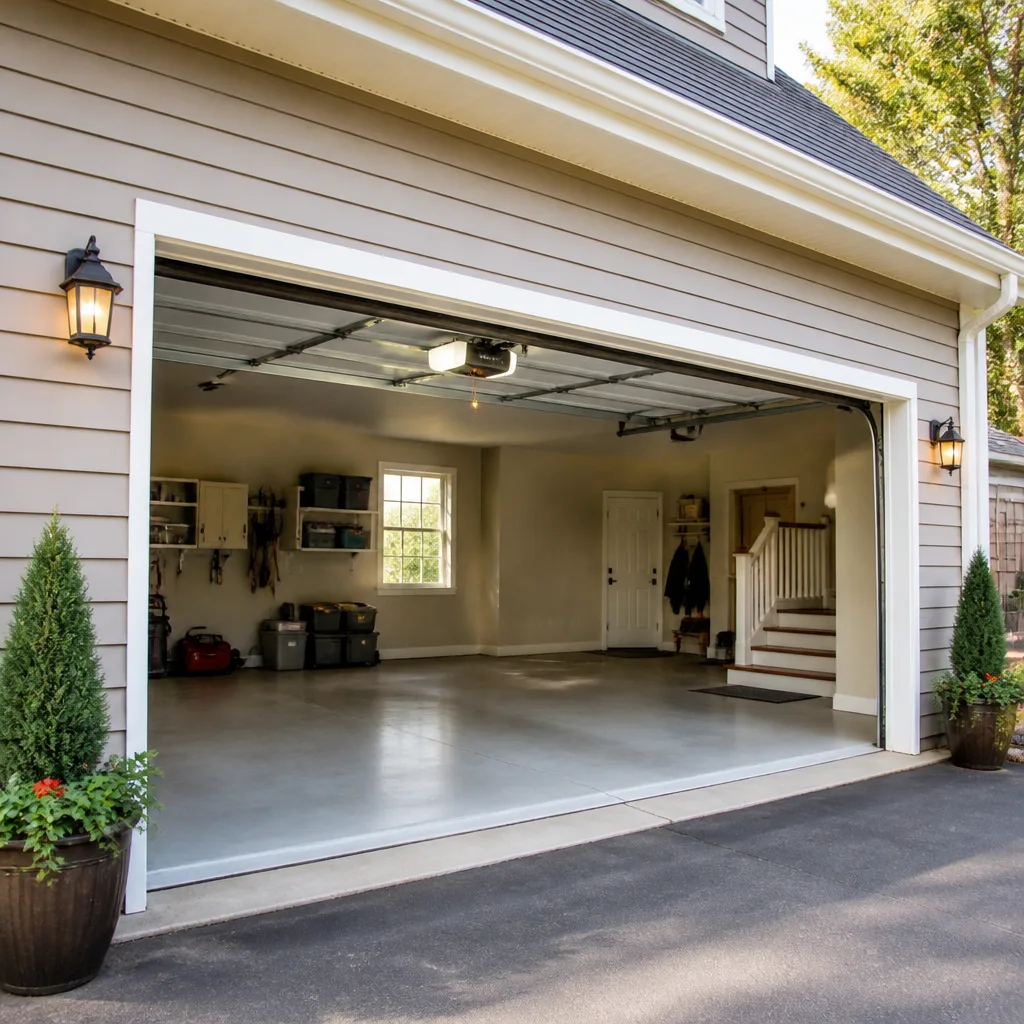 Chamberlain openers
Full 25-point door and opener safety check with every visit - springs, cables, rollers, tracks, and your LiftMaster or Chamberlain opener included
You get a price before we start. It does not change when the pro arrives.
Get your free estimateHow to Hire a Garage Door Contractor in East Flatbush: A Step-by-Step Guide
A contractor can hold a valid New York Home Improvement Contractor license and still have never opened a torsion spring system. That’s the part of hiring that trips up most homeowners, and it’s the part this guide is built around. In a dense Brooklyn market like East Flatbush, plumbing, electrical, and general remodeling outfits routinely advertise “garage door and gate” work to fill out their job board. You’ll read how to filter for genuine mechanical depth, how to check credentials that actually matter, and how to compare two quotes fairly. By the end, you’ll know which questions separate a specialist from a handyman with a pickup and a ladder.
Quick Answer
To hire a garage door contractor in East Flatbush, verify three things in this order: a real NYC Home Improvement Contractor (HIC) license number you can look up, a single-trade garage door focus (not a general contractor’s side offering), and brand-specific parts knowledge of the equipment on your door. Then compare written quotes on parts grade and warranty terms, not just labor price. The signed quote is the only price that carries weight.
Styles & brands we work with
- Raised-panel steel
- Carriage house
- Modern flush
- Full-view glass
- LiftMaster openers
- Chamberlain openers
Table of Contents
- Why Single-Trade Expertise Beats a General Contractor
- How to Verify an HIC License in New York City
- Eight Questions That Reveal Real Garage Door Depth
- Urban Brooklyn Red Flags to Watch For
- Why Specialists Diagnose Faster and Cheaper
- Brand-Specific Parts Knowledge: Raynor, LiftMaster, and the Rest
- How to Compare Two Quotes Properly
- The Hiring Process, Step by Step
Why Single-Trade Expertise Beats a General Contractor in East Flatbush
A garage door is a tension mechanism, not a big hinged box. That distinction is the core of this whole hiring question. When most people imagine a garage door breaking, they picture a panel off its track or a noisy opener. The serious failures happen in the torsion assembly above the door, where cables are wound to very high tension. A technician who treats that assembly like a carpentry job misses the mechanical logic entirely, and in the worst cases a cable under load lets go.
In East Flatbush, the housing stock makes this a live issue rather than a theoretical one. The neighborhood mixes older detached homes, semidetached properties, and small multi-family buildings where a garage is shared or serves as the primary vehicle access. Many of those garages were built decades ago and have been retrofitted at least once with newer openers and replacement springs. That layering means no two doors fail the same way, and a proper diagnosis requires reading the actual spring system, hinge alignment, and opener logic in front of you.
A general contractor can rotate between drywall, plumbing rough-in, and a garage door quote in the same week. A single-trade garage door specialist does one job. That focus is why we’ve built our whole service around the mechanical side: opener repair, spring work, track realignment, and full installs, and nothing else. When a technician’s entire working week is garage doors, they know what a fatigued spring looks like at a glance and where a misaligned track is loading the panels.
Here’s what that means for hiring in practical terms:
- Speed of diagnosis. A specialist identifies the actual failure point quickly instead of replacing parts by trial.
- Correct parts first. Cable, spring, and bracket specs differ by door weight and drum size, and specialists carry the right sizing.
- Safety literacy. Spring and cable work is high-energy mechanical work, and only someone trained on it should touch it.
- No handoffs. A single-trade provider does the whole job, from diagnosis to completed installation, so no second vendor steps in.
You can go deeper on the services side through our garage door repair East Flatbush page, which lays out the full repair range. For now, the takeaway is simple: single-trade focus is a hiring criterion, not a marketing tagline.
How to Verify an HIC License in New York City
New York City does not issue a garage-door-specific license. The relevant credential is the Home Improvement Contractor (HIC) license, administered through the city’s consumer protection agency. What that license confirms: the contractor is registered with the city, has passed the required background checks and identity verification, and has a contractual paper trail tied to a real business entity. What it does not confirm: technical competence, garage door experience, or quality of work. That gap is exactly why brand-specific questions matter so much.
Verification steps in East Flatbush and the rest of Brooklyn:
- Ask for the contractor’s HIC license number before any site visit.
- Look it up directly with the city’s consumer agency. Don’t accept a screenshot of a certificate as proof.
- Confirm the business name on the license matches the name on the quote.
- Confirm a written contract is offered with the scope, price, and timeline spelled out.
- Ask whether the techs on the job are covered by the contractor’s liability insurance and workers’ compensation, and ask for proof.
One thing to know about New York City’s HIC rules: unlicensed home improvement work above a certain threshold carries real legal consequences, and a contractor who is willing to skip licensing is likely to skip other things too. Cash-only quotes are a common companion to an unlicensed operation. Walk away if the contractor can’t produce a license number, or won’t let you verify it.
There’s a second licensing layer to ask about for the electrical side. Opener installation involves low-voltage wiring to a motor unit, and in some cases a new dedicated circuit. Most reputable garage door providers can handle the low-voltage side, but electrical panel work requires a licensed electrician. Ask directly: “Do you handle the electrical portion, and if so, who is licensed to touch the panel?” A vague answer here is a warning sign.
We describe our network as vetted local professionals, and the license check is the first gate. The local pro must be licensed and insured as their state and city require. That’s the floor. The garage door depth questions in the next section are the ceiling.
Eight Questions That Reveal Real Garage Door Depth
These questions work because a handyman’s version of “yes” sounds identical to a specialist’s honest answer until you listen to the follow-up detail. Ask them on the phone before booking a visit. Take notes on how the person answers, not just what.
- “Walk me through how you’d diagnose a door that’s binding halfway up.” A specialist names spring balance, roller alignment, track spacing, and hinge bind. A generalist usually defaults to “the opener.”
- “What brand is on my door right now?” If they haven’t asked or inspected, they can’t know. A brand-fluent technician will ask about the label on the opener head and the door panel manufacturer.
- “Do you do spring replacement as a regular service, or is it something you avoid?” Many handymen decline torsion spring work outright, and honestly, they should. You want the person who does it as a specialty.
- “Where do your parts come from?” A specific answer (manufacturer-sourced or dedicated garage door supply) tells you parts aren’t being sourced from a big-box aisle as a substitute.
- “How do you check that my new spring’s tension matches the door’s weight?” A real answer names the weight and wire gauge and the door-height calculation. A vague answer means they’re fitting by feel.
- “Do you work on Raynor, LiftMaster, Chamberlain, or Genie systems?” Naming specific brands signals real fluency. “All brands” as a catch-all is often a marketing phrase, not a service claim.
- “Will the final price match the written quote?” A clear yes (barring an approved, pre-agreed scope change) is what you want to hear in writing.
- “What’s the warranty on the part, and separately on the labor?” A specialist should distinguish the two, because they come from two different sources.
If one contractor answers all eight with specifics and the other answers three with confidence, you have your comparison. The questions take five minutes at most. They save far more in second-visit costs.
Urban Brooklyn Red Flags to Watch For
The garage door contractor market in dense Brooklyn boroughs has its own failure patterns, distinct from what you’d see in suburban or rural areas. Homeowners in East Flatbush are often calling about a car that needs to leave in twenty minutes and a door that won’t open. That pressure is exactly what the wrong contractor exploits.
Specific red flags worth naming:
- No verifiable address. If the contractor can’t give you a fixed business address tied to a legitimate entity, stop. Mobile operators can be perfectly reputable, but they should still have a registered business address you can confirm with the city’s license lookup.
- Cash-only quotes with no written contract. In New York City, an HIC license requires a written contract for residential work. A cash-only, no-contract quote skips both the license requirements and the protections that come with them.
- “We’ll fix it today, whatever it costs.” Urgency-based pressure to get onto the roof of a garage without a written quote is pricing pressure, not service.
- Treating the opener as the answer to everything. A specialist diagnoses; a generalist replaces the opener first and explores later.
- Vague answers about parts sourcing. “I’ll grab what I need from the standard supplier” is not a parts answer. Brand and part matter.
- Pressure to replace rather than repair. A repairable panel, track, or opener should be a conversation, not an immediate upsell. On a very old door, replacement may be the sane answer, but only after diagnosis.
- No written warranty on labor. A quote with no labor warranty at all is a quote with no accountability once the tech leaves.
One more East Flatbush-specific point: multi-family buildings with shared garage access sometimes get quotes that are unclear about who is responsible for what. Make sure the scope names the door, the opener, and the spring assembly separately, and clearly identifies any common-property element so the building manager and the door owner are not negotiating over the same part.
Why Specialists Diagnose Faster and Cheaper on Complex Spring and Cable Failures
On a simple fix, a generalist and a specialist come out roughly the same. On a complex spring or cable failure, the specialist is usually both faster and cheaper, and the reason is diagnostic certainty. A generalist arrives without a working model of what could be wrong, so they examine by elimination: replace the opener first, then the rollers, then look at the spring. Each trial is a call-back, and each trial is a cost you pay for.
A specialist arrives with a likely diagnosis already formed from the phone description and confirms it in the first five minutes on site. That’s not just efficiency. It’s the reason the quote stays stable. When the tech knows what they’re looking at, the scope in the written quote reflects the actual job, not a guess that widens once the panels come apart.
Where this matters most in East Flatbush:
- Torsion spring failures. Springs carry very high tension, and a generalist who doesn’t understand the winding bar procedure shouldn’t be on the ladder. The right move is to leave it to a specialist.
- Cable snaps. A snapped cable often pulls the door out of alignment and can bend the track. That’s a multi-part repair and a specialist reads the cause, not just the symptom.
- Off-track doors after impact. A dented panel plus bent roller carriers is a diagnosis problem, not a replacement problem. Specialists repair panels where possible.
- Opener and safety sensor faults. These are often a logic or beam-alignment issue, not a motor failure. A tech who knows the brand’s specific error codes can avoid an unnecessary unit swap.
Our own approach leans on this heavily. Our garage door repair service is staffed by garage door technicians only, so the person who diagnoses is the person who repairs. That single-trade focus is what we mean when we say the technician doesn’t rotate between plumbing and doors. Every job gets someone whose whole working life is the mechanical side of overhead doors.
Safety caveat, and it’s a serious one: torsion springs and their cables store enough energy to cause severe injury if released incorrectly. Do not attempt to unwind, loosen, or replace a spring yourself, and don’t let a well-meaning handyman with a socket wrench try to “help.” Springs are dangerous. Leave them to a specialist.
Brand-Specific Parts Knowledge: Raynor, LiftMaster, and the Rest
Garage door equipment is not interchangeable, and that’s the part homeowners underestimate most. A Raynor door’s spring and drum specs differ from a Clopay door of the same width. A LiftMaster opener’s travel limits and safety-reverse setup differ from a Genie unit, and a Chamberlain head is a different animal again. When a technician doesn’t know the brand, they work around it. When they do, they fit the right part to the door that’s actually installed.
What brand fluency looks like in practice:
- Opener diagnosis. Knowing that a Chamberlain or LiftMaster unit responds to a specific set of diagnostic flashes lets the tech diagnose without guesswork.
- Spring matching. The replacement spring’s wire gauge has to match the door’s weight, and the brand’s original spec is the reference point.
- Panel sourcing. If a panel is damaged, matching the door’s original manufacturer prevents a mismatched panel look or fit.
- Warranty continuity. Using the correct manufacturer part keeps the door’s original warranty coverage continuous, where an aftermarket substitute might not.
Our technicians are equipped to service systems from LiftMaster, Chamberlain, Genie, Clopay, Amarr, Wayne Dalton, Craftsman, and Raynor. That’s a specific list, not “all brands.” When we say a technician knows the components of your system, it’s because they’ve worked on that brand’s actual parts. If you’re not sure what’s on your door, look for a label on the opener head and on the door panel edges. The tech will confirm on site.
Brand matters most for openers, and we cover that side in more depth on our garage door opener repair page. If your opener is on its last legs and you’re weighing replacement, the garage door installation page lays out the full-door side of that decision. Either way, ask for the brand on the quote. A quote that names the part and the manufacturer is a quote you can compare.
How to Compare Two Quotes Properly
Two quotes on the same door can look identical on the bottom line and be completely different jobs. The comparison has to be structured, or the cheaper number wins by default and you find out later what wasn’t included. Build a comparison sheet before the second quote arrives, and fill in the same categories for both.
Categories to compare side by side:
- Part grade. Is the replacement spring or panel a standard manufacturer part, or an aftermarket substitute? Ask explicitly.
- Brand match. Does the quote name the part manufacturer and the opener brand, or is it generic?
- Labor warranty. Length and scope. Written on the quote, not promised verbally.
- Part warranty. Often manufacturer-provided, and it should be named separately from labor.
- Scope clarity. Is the repair described specifically (which spring, which cable, which panel) or generically (“fix door”)?
- What’s excluded. A good quote tells you what it doesn’t cover. A silent quote doesn’t.
- Total with tax and disposal. Old spring and panel removal is a real line item. Make sure it’s either in the total or clearly excluded.
Two structural rules for the comparison. First, the written quote is the price. Not a verbal estimate, not a range, not the number the tech mentioned over the phone. The signed written estimate sets the final price, and any change to scope requires your clear approval first. Second, ask whether the quote can change after the person sees the door. If the answer is yes, ask them to come see the door before quoting.
We’re not the only game in East Flatbush, and we don’t need to be. What we ask is that whoever you pick, the comparison is honest on parts and warranty, not just labor. That’s the right test for you and the right test for us.
The Hiring Process, Step by Step
Here is the hiring flow from first phone call to signed scope, in the order it works best. The whole process can fit in a day for most East Flatbush homeowners, assuming quotes are being gathered in quick succession.
- Define the failure first. Write down what you see and hear before calling anyone: where the door sticks, whether the opener runs but the door doesn’t, any bent panel or cable fray, and the model numbers on the opener head and door edge. This short list is the anchor against vague quotes.
- Call two or three providers. A single-quote comparison doesn’t exist. Call at least two, and ask the eight questions from earlier on every call. If one provider answers in detail and the other is vague, you already have your shortlist.
- Verify licensing and insurance. Ask for the HIC license number and check it with the city’s consumer agency. Ask for proof of liability insurance and workers’ comp for the techs who will be on the job.
- Get a written, itemized quote. Every quote should name the part, the manufacturer, the labor line, the disposal line, and both warranties. “It’ll be around $X” is not a quote.
- Compare on parts and warranty. Fill the same grid for each quote. If a quote is significantly lower, find out what part is different.
- Confirm what happens after the visit. Ask directly: if you open the door and find an additional issue, what happens to the price? “We stop and call you” is the correct answer.
- Sign the scope and lock the written estimate. The price you agree is the price that goes on the invoice, subject to any written, approved scope change.
Notice what this process doesn’t include: a conversation about how much a technician feels the job is worth. That’s not how garage door pricing works for a properly run operation. The written estimate is the price. If you’re ever asked to agree to a range and “we’ll settle up at the end,” you’ve been handed a problem, not a quote.
Common Mistakes to Avoid
- Hiring on the first quote alone. In a dense market like East Flatbush, the first provider to answer the phone is often the one with a flexible scope. Compare at least two written quotes before signing.
- Assuming an HIC license proves garage door competence. The license confirms the business is registered with the city. It says nothing about spring, cable, or opener skill. Verify trade depth separately.
- Skipping the spring safety question. A contractor who starts unscrewing the torsion assembly without tension-checking the door first is putting you and them at risk. Ask about method before they arrive.
- Treating the parts line as an interchangeable cost. A cheap spring is a different product from a manufacturer-matched spring. Both may open the door today; only one is warranted to last.
- Accepting a cash-only, no-contract quote. New York City’s HIC rules require a written contract for a reason. If you’re asked to skip it, you’ve lost the protections the license was supposed to give you.
- Failing to ask what’s excluded. A low quote leaves out the things that cost money later: old part disposal, panel-alignment follow-up, and travel. Ask about exclusions before signing.
- Replacing the whole door before a diagnosis. A repair on a panel, track, or opener is often the right first move, even on older East Flatbush doors. Only a diagnosed structural failure justifies a full replacement.
See the difference
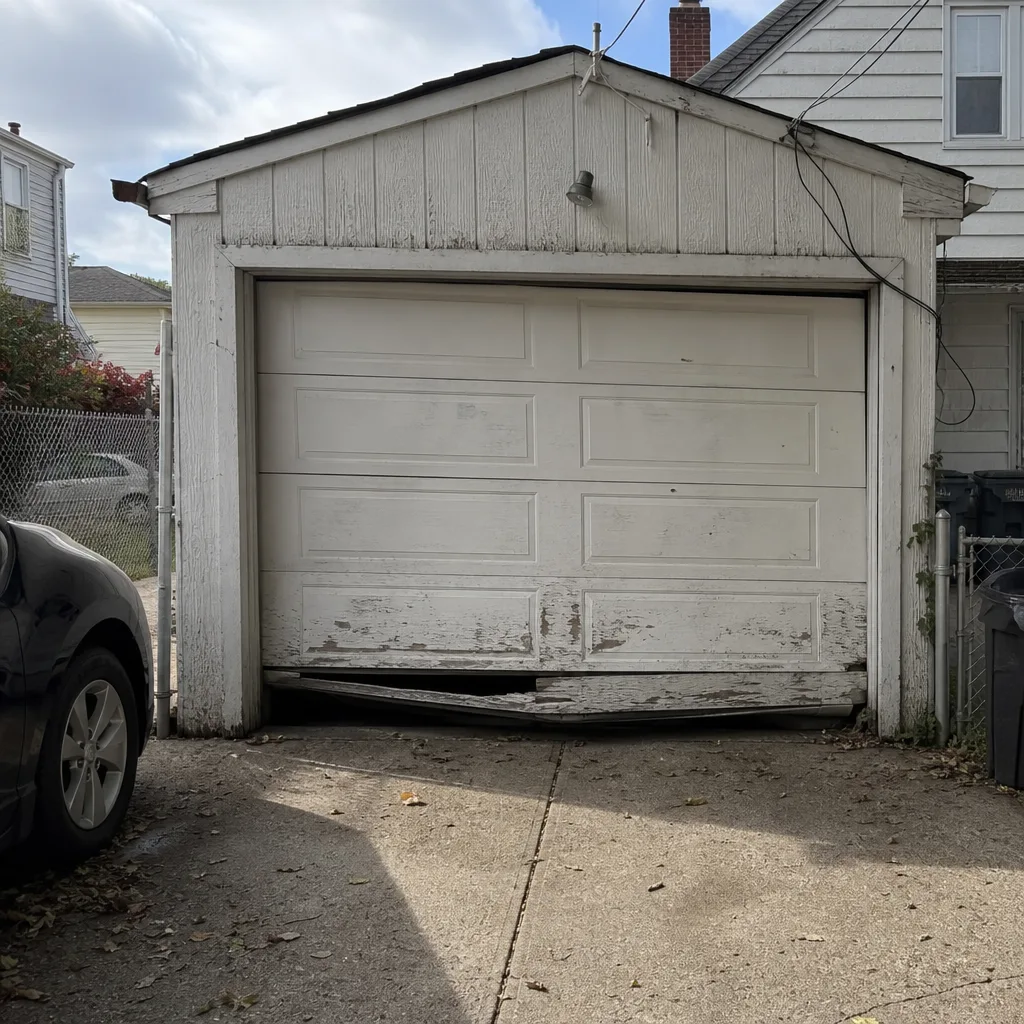 Before
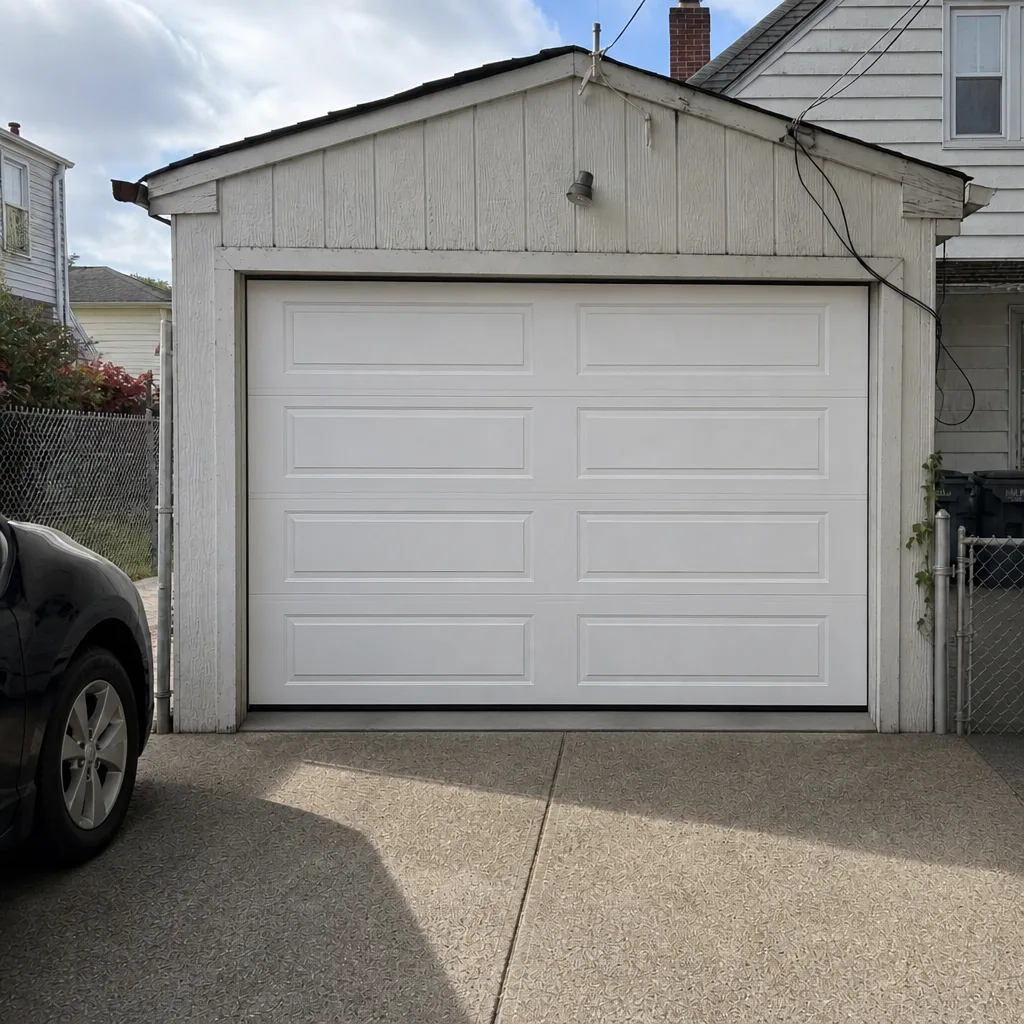 After
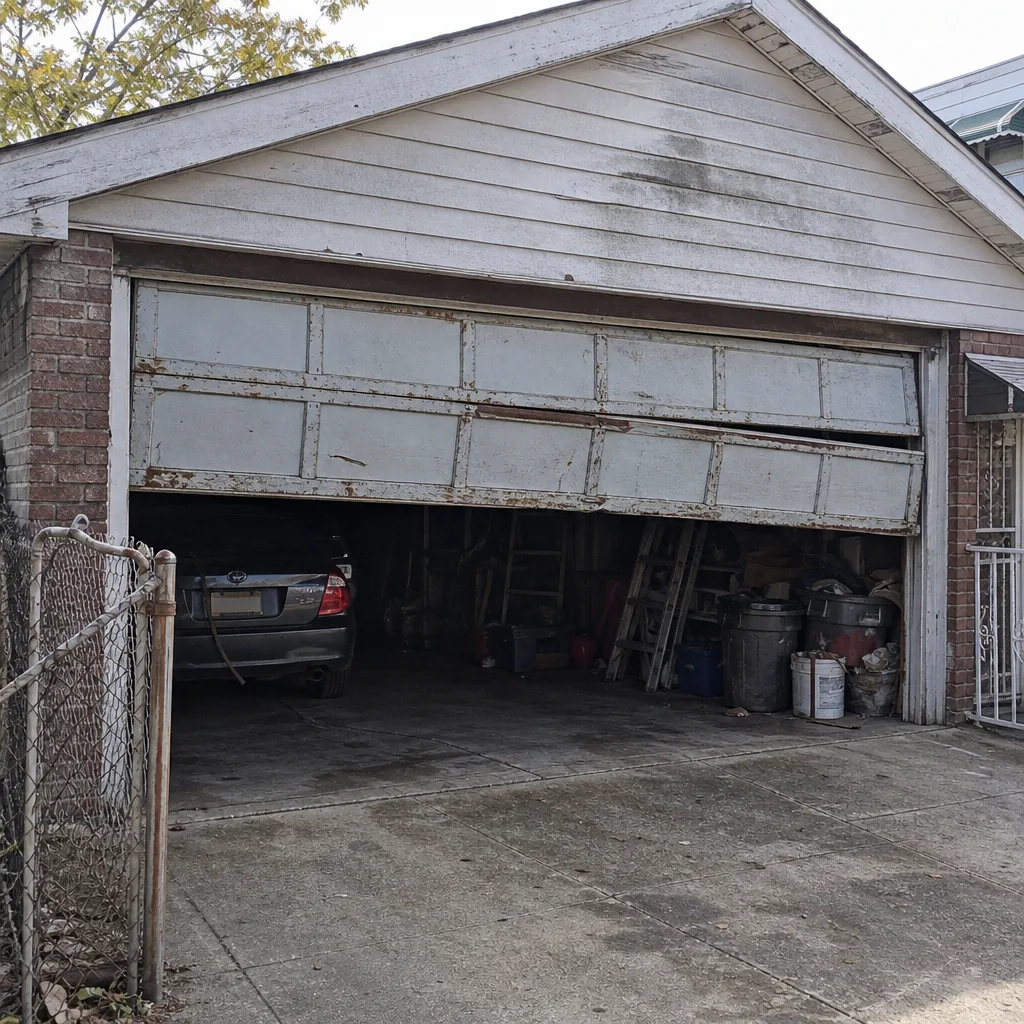 Before
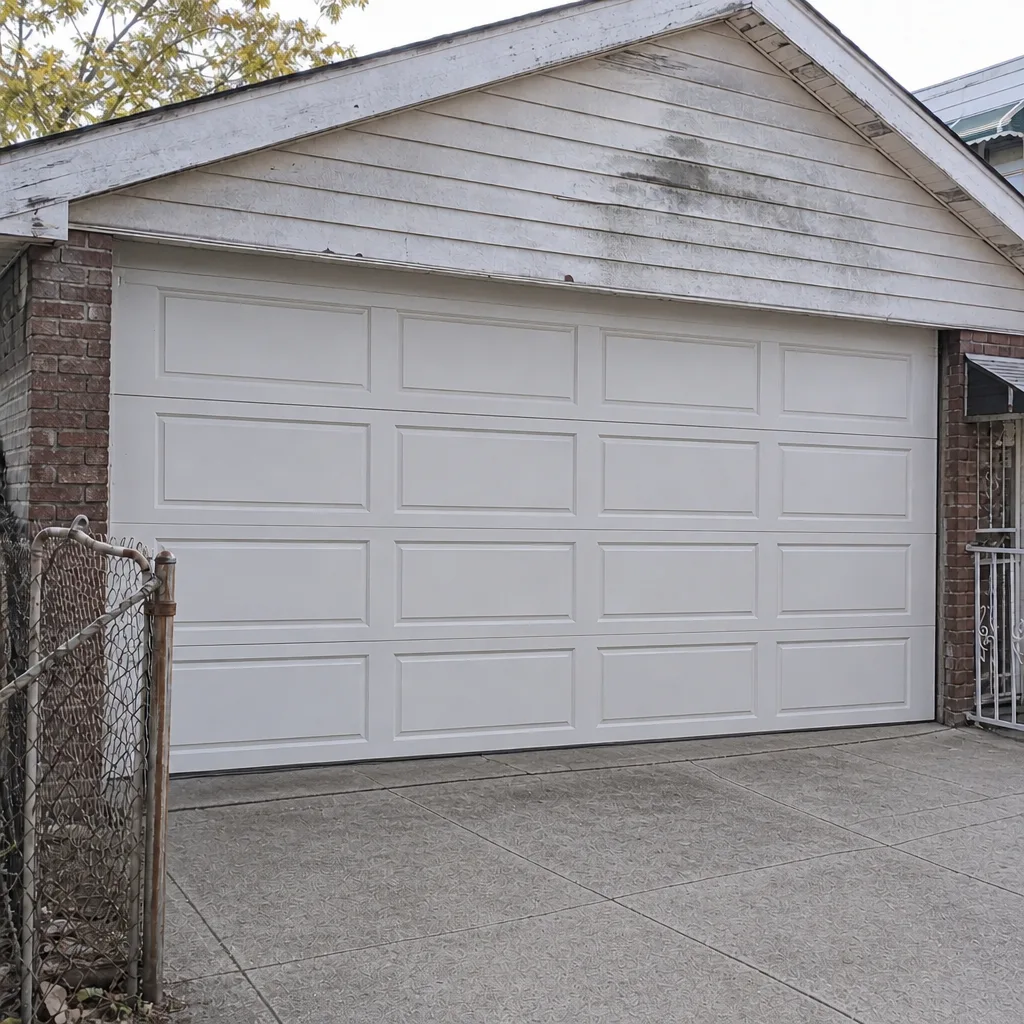 After
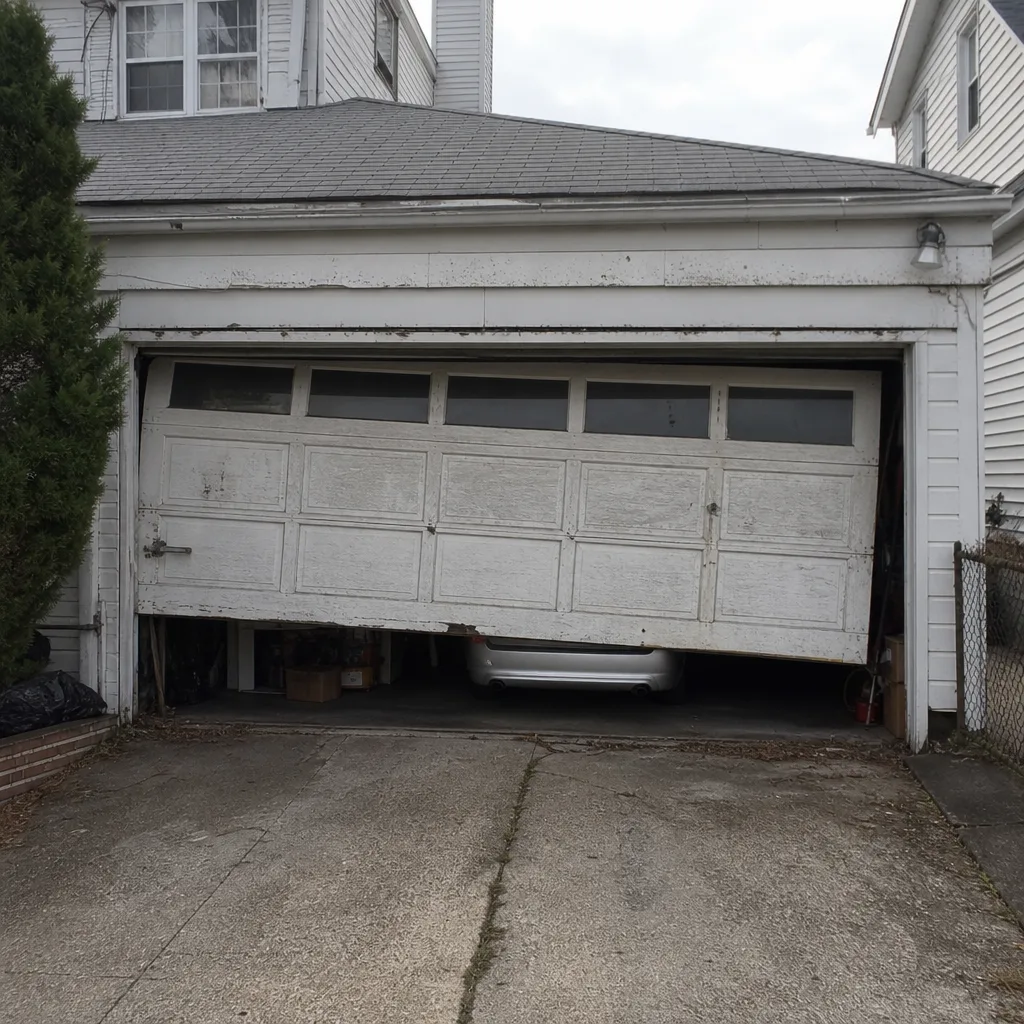 Before
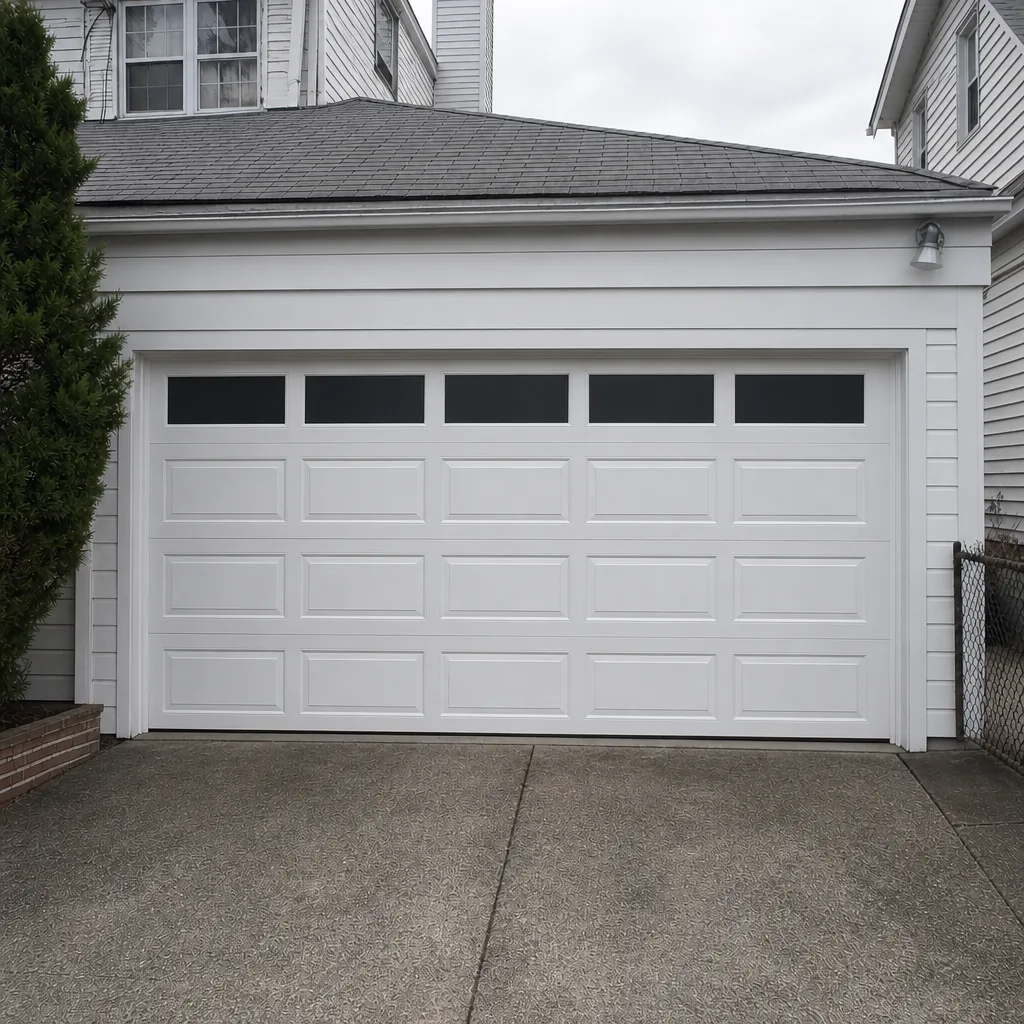 After
When to Call a Professional
Some garage door problems should not sit until a convenient appointment. Call a professional immediately if a spring has visibly snapped (a clear gap between the coil and the end plate), if a cable has frayed or let go, if the door is off its track and hanging unevenly, or if the opener runs but the door won’t move. In each of those cases the door is either unsafe to operate or blocked, and waiting adds risk. Spring and cable failures are more dangerous than they look, and they belong to a technician, not a DIY attempt.
Less urgent but still worth scheduling: a door that binds at the halfway point, a single opener remote that stopped working while others still respond, worn rollers, noise that’s gotten loud, and a door that won’t close all the way (often a safety sensor issue). A slow-closing door or intermittent opening is often a warning sign, not a random glitch.
Garage Door Repair East Flatbush offers free estimates in East Flatbush. Whether you’re looking at a garage door repair or a full replacement, our estimate process is free and the written quote is the price. Call (855) 658-4194 for a free estimate.
Frequently Asked Questions
No. New York City does not issue a garage-door-specific license. The relevant credential is the Home Improvement Contractor (HIC) license, which verifies the contractor is registered with the city and has passed required checks, but does not verify garage door skill. Ask for the HIC license number and verify it with the city’s consumer agency, then assess technical depth through the eight questions. Call (855) 658-4194 if you’d like us to confirm our own credential detail before booking.
Listen for naming. A specialist names specific brands and parts (a Raynor door’s spring spec, a LiftMaster opener’s diagnostic lights, a Chamberlain unit’s travel limits); a generalist gives “we can fix any garage door” as the answer. The follow-up question that catches the difference is “walk me through how you’d diagnose a door that binds halfway up.” A specific, multi-part answer means a specialist. A single answer, usually “the opener,” means a generalist. Call (855) 658-4194 to test us.
Every written quote should name the part, the manufacturer, the labor line, the disposal of old parts, and both the labor and the part warranty. It should also describe the specific scope (“replace decayed torsion spring, left side, matched to door weight”), not a generic “repair door.” A quote missing any of those lines is not a comparison quote, and it isn’t the price you’ll end up paying. Call (855) 658-4194 for a free written estimate.
The written estimate is the price, and any change to it requires your clear approval before work continues. The only legitimate reason for a change is a scope change you’ve agreed to, such as opening a panel and finding an additional cable issue. “We’ll settle up at the end” is not how this should work. Ask the provider directly before booking: “If you find something else after opening it up, do you stop and call me?” A clear yes is the answer you want. Call (855) 658-4194 for an estimate with the scope written down.
For repair and emergency situations, yes: we offer same-day service and emergency garage door service for urgent access or safety problems. Spring, cable, and off-track doors that block the car or leave the structure exposed are the right calls for emergency service. New installs and full-door replacements are scheduled, measured, and ordered, so those don’t run same-day, but the estimate is free and the quote is written. Call (855) 658-4194 and we’ll confirm availability.
Yes, if your equipment is from LiftMaster, Chamberlain, Genie, Clopay, Amarr, Wayne Dalton, Craftsman, or Raynor, our technicians are equipped to service it. They work with the actual components of the manufacturer’s system, not generic substitutes. If you’re not sure what’s on your door, the tech will identify the brand on site. Call (855) 658-4194 if you want to confirm your brand before booking.
The Bottom Line
Hiring a garage door contractor in East Flatbush comes down to one filter more than any other: single-trade depth. Verify the HIC license and insurance because you should, but treat that as the floor. The questions that actually separate a specialist from a handyman are about spring methodology, parts sourcing, and brand fluency. Compare at least two written quotes on parts grade and warranty terms, ask what’s excluded, and confirm in writing that the estimate is the price. If a provider can’t answer those clearly before booking, the cheapest quote isn’t saving you anything. If one can, you’re in good shape.
Written by the team at Garage Door Repair East Flatbush.