Last updated November 21, 2026
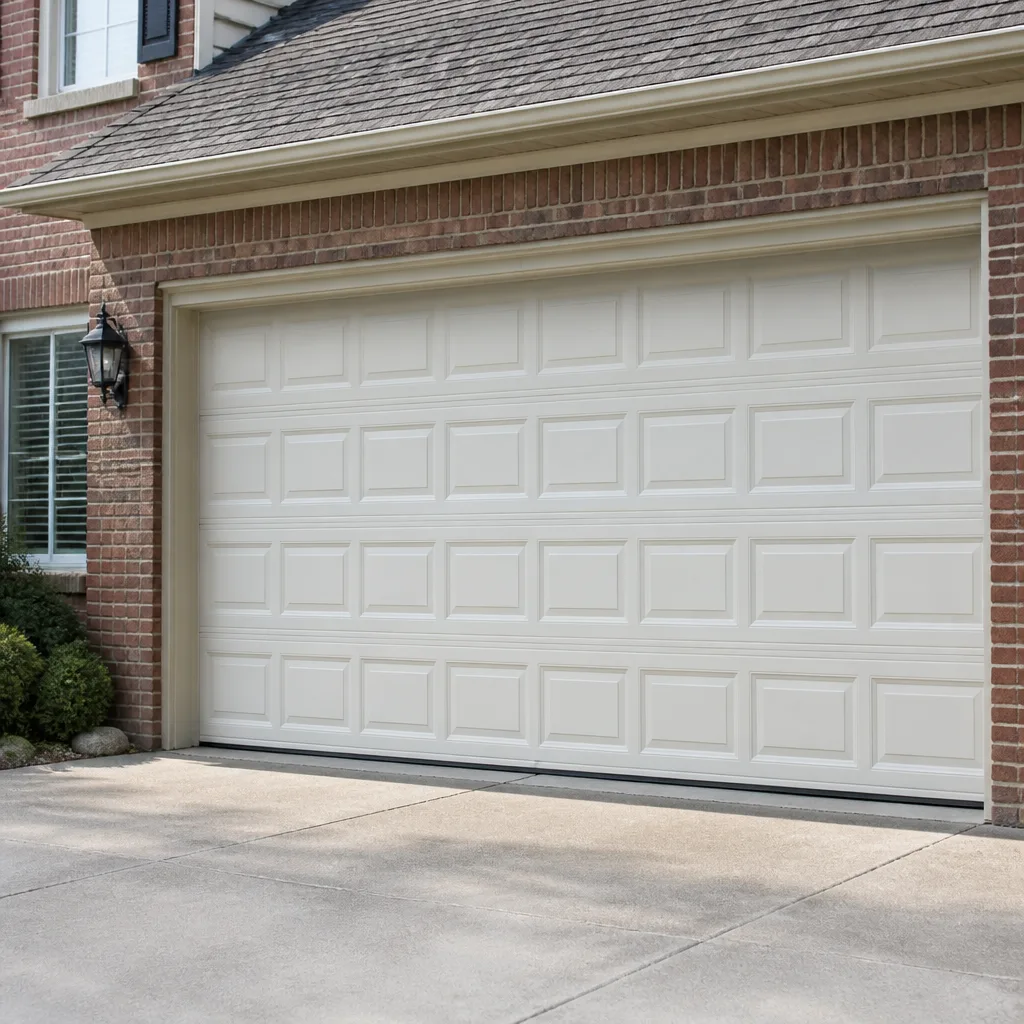 Raised-panel steel
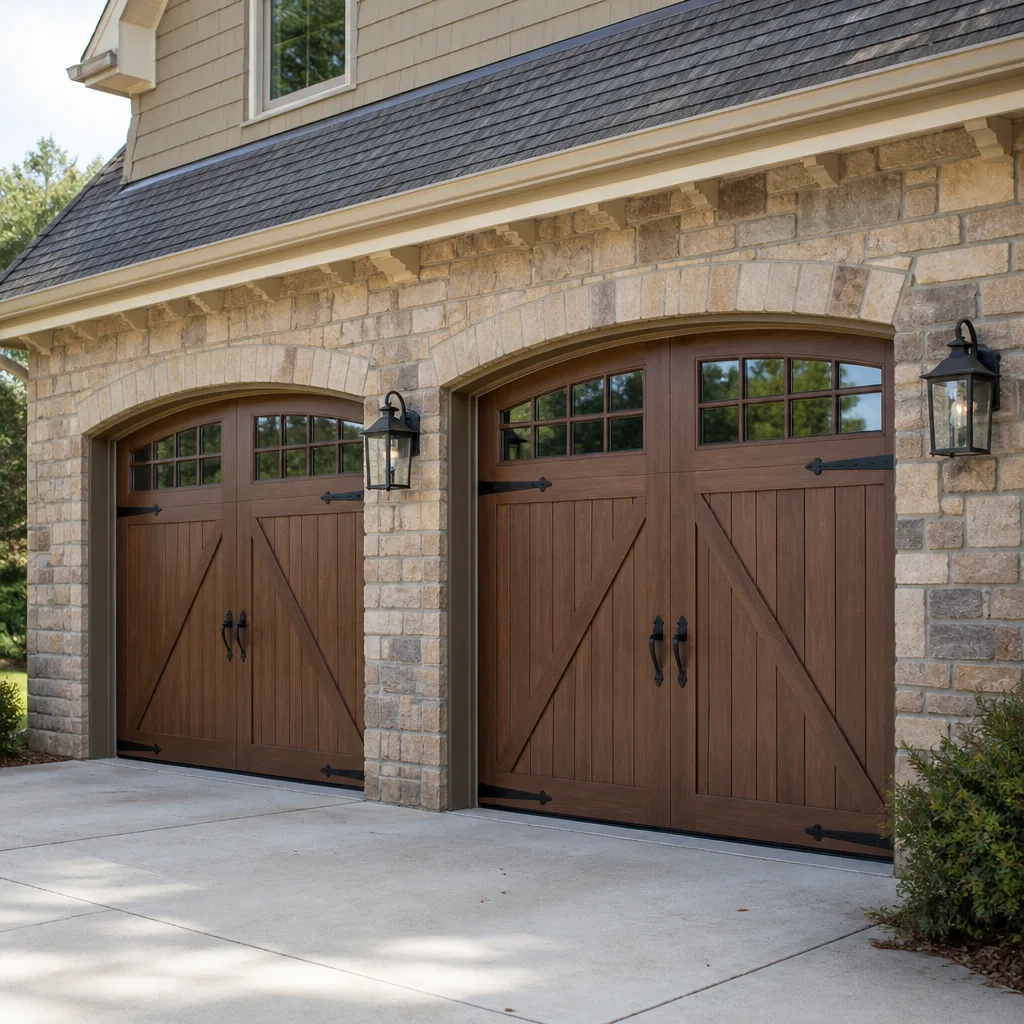 Carriage house
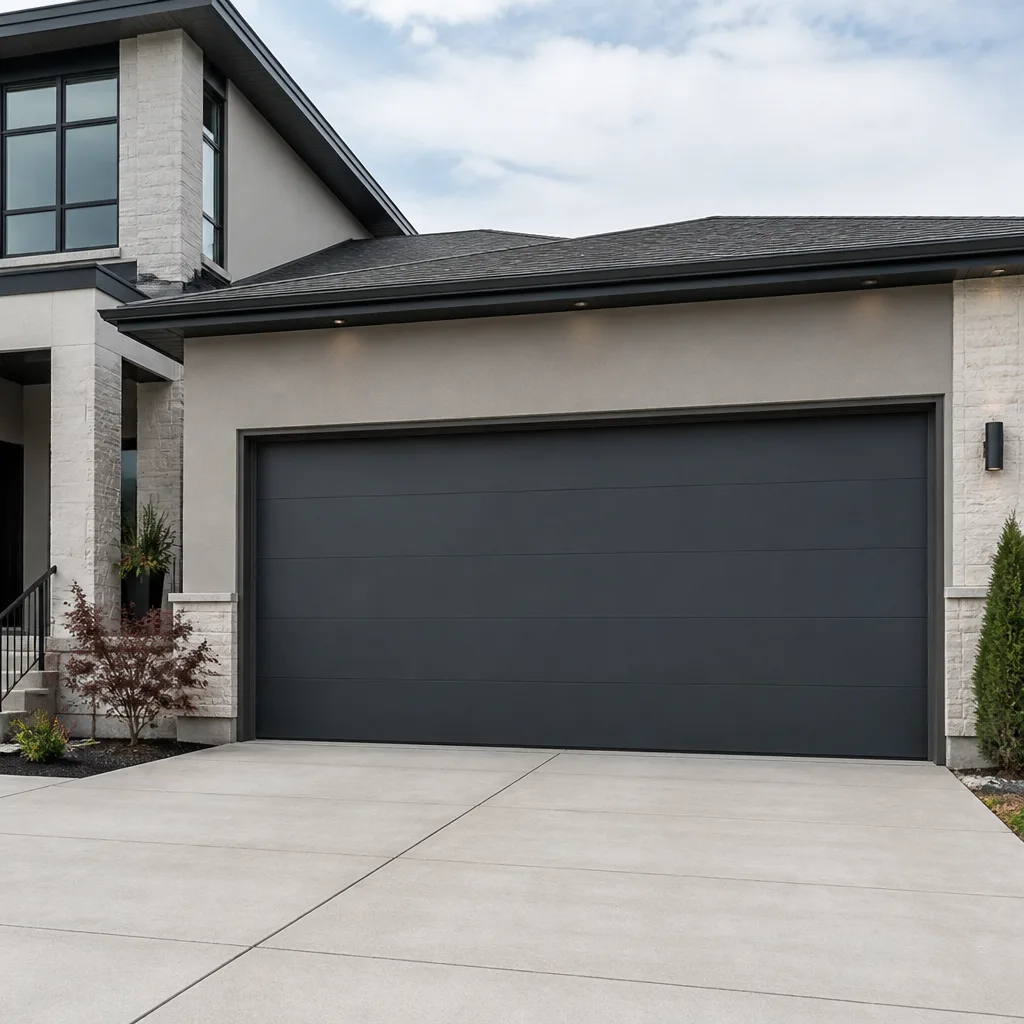 Modern flush
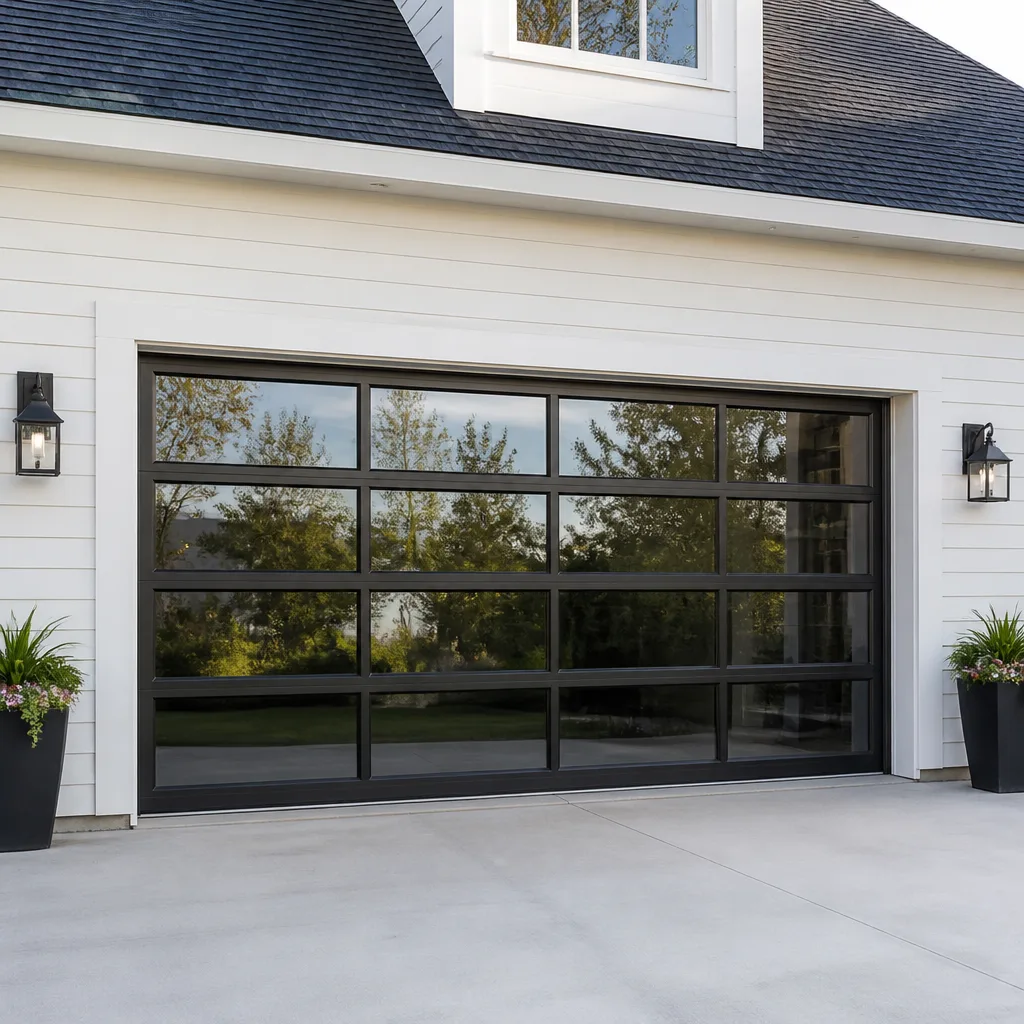 Full-view glass
 LiftMaster openers
 Chamberlain openers
Full 25-point door and opener safety check with every visit - springs, cables, rollers, tracks, and your LiftMaster or Chamberlain opener included
You get a price before we start. It does not change when the pro arrives.
Get your free estimateSeasonal Garage Door Care for East Flatbush: Year-Round Homeowner’s Guide
The garage door failure most likely to happen in January in East Flatbush isn’t a broken spring. It’s a bottom seal that has frozen to the concrete. The opener motor doesn’t know that; it just keeps pulling. What was a weatherstrip problem becomes a torn seal, a strained cable, and a repair bill several times larger. The same pattern repeats across the calendar here: the season that breaks one part of your door is rarely the season that reveals the damage. This guide walks through what Brooklyn’s climate actually does to a garage door month by month, and gives you a timed plan you can follow in East Flatbush and the surrounding blocks.
Quick Answer
In East Flatbush, garage door stress follows a clear seasonal pattern: high summer humidity in these dense, closely built blocks swells wooden panels and throws steel tracks out of alignment, while the freeze-thaw cycles of a Brooklyn winter attack weatherstripping and the bottom seal and slow the opener’s response. The highest-value maintenance happens in late fall before road treatment begins and again in early spring after the last hard freeze. A short visual check from your driveway once a month catches most of these problems while they’re still small.
Styles & brands we work with
- Raised-panel steel
- Carriage house
- Modern flush
- Full-view glass
- LiftMaster openers
- Chamberlain openers
Table of Contents
- Why East Flatbush Doors Wear Unevenly Through the Year
- Fall Prep: Before Brooklyn’s Road Treatment Starts
- Winter: Frozen Seals, Stiff Grease, and Opener Behavior
- Spring: The Post-Winter Inspection Sequence
- Summer: Humidity, Expansions, and Track Alignment
- The 90-Second Driveway Check
- Brand-Specific Care and When to Stop DIY
- Keeping a Simple Maintenance Record
Why East Flatbush Doors Wear Unevenly Through the Year
Most homeowners treat garage door maintenance as a once-a-year task, usually in spring. That misses the point. A garage door is a mechanical system that reacts to temperature and humidity continuously. East Flatbush’s climate pushes it hardest in specific months, and the damage from those months shows up later. If you understand the shape of the year, you stop reacting to breakdowns and start preventing them.
Two things happen here that quietly stress a door every year. First, the blocks are dense and older garages sit close to their neighbors, so airflow is limited. Trapped moisture in an attached garage doesn’t dry out the way it would in a more open lot, and that lingering humidity works on steel and wood alike. Second, Brooklyn’s winters swing above and below freezing repeatedly rather than sitting cold and still. Each freeze-thaw cycle is a small expansion and contraction. Over a winter that’s dozens of cycles, and weatherstripping takes the brunt.
The season-by-season threat map
- Fall: Temperature drops and the door begins to contract. Bottom seals harden. Tracks pick up grit. Road treatment begins and tracked-in salt and debris start accumulating in the bottom track.
- Winter: Frozen seals grip the floor. Lubricant thickens. The opener works harder, cycles slower, and the motor draws more current. Springs feel stiffer because cold metal is more brittle.
- Spring: The freeze-thaw damage surfaces. Cables have stretched and frayed, spring coils show fatigue, and the door may jump or bind on the way up.
- Summer: Heat and humidity swell wooden panels and expand steel sections. A door that ran quietly all winter may start rubbing its tracks.
We’ve seen how differently these seasons hit a door depending on its material. Wood doors move the most. Steel is more stable but corrodes in the humid stretches. The care schedule below follows that pattern, with the heaviest effort at the two seasonal pivot points: before winter and after it.
Fall Prep: Before Brooklyn’s Road Treatment Starts
Late fall is the highest-value maintenance window on the East Flatbush calendar. Once the city’s road treatment cycles begin, everything the plows and pre-treatment trucks lay down gets walked and driven into your garage and tracked into the bottom track. Salt left sitting on the track through winter promotes corrosion at the exact point where the rollers travel. What you do before the first treatment cycle happens determines how much of that ends up inside your garage.
Fall preparation steps
- Clean and protect the bottom tracks. Sweep out grit and debris from both bottom tracks, then wipe the track faces down. You’re not sealing the track against salt; you’re removing the grime that holds moisture and salt against the metal. A dry, clean track corrodes far more slowly than one with debris packed into the corners.
- Check the bottom seal for cracking. Run your hand along the rubber seal at the bottom of the door and look closely at the corners. A seal that’s dry, cracked, or stiffening is the one that will freeze to the floor in January. Replacing it in fall costs far less than repairing the door it damages in winter.
- Road-salt awareness at the door. Every trip in and out during messy weather brings road treatment residue onto the garage floor near the bottom seal. A mat just inside the door and a quick sweep once a week keeps that mess where it belongs instead of under the seal.
- Lubricate the moving parts. Rollers, hinges, and the springs should be lubricated per manufacturer guidance before the cold sets in. Cold weather makes lubricant thicken; a properly lubricated system tolerates the cold much better.
- Test the balance. Disconnect the opener and lift the door halfway by hand. A well-balanced door stays put. One that drifts down or feels heavy is telling you a spring or cable is already tired.
- Inspect the hardware for loose bolts. Vibration works bolts loose over time. A quick wrench check in fall heads off the rattle and misalignment that show up in winter.
If you find a door that’s heavy to lift, binding on one side, or making new noises, that’s worth a professional look before the cold arrives rather than after. Our garage door repair team handles balance and hardware issues year-round, and getting ahead of them in fall is far less disruptive than fixing them in a February cold snap.
Winter: Frozen Seals, Stiff Grease, and Opener Behavior
Winter is where the frozen-seal scenario plays out. When the bottom rubber seal freezes to the concrete, the opener pulls against the floor. The motor doesn’t sense “stuck”; it senses resistance and pulls harder. That’s how a small weatherstrip problem becomes a stretched cable or a damaged seal and track. Knowing what signs to watch for keeps you ahead of it.
Signs your opener is working against a frozen seal
- The door lifts with a visible jolt instead of a smooth start.
- You hear a pop or snap at the moment the door breaks free of the floor.
- The opener slows noticeably on the first lift of a cold morning, then returns to normal later.
- The door reverses and reopens partway through the first upward cycle.
Some of this is normal winter behavior. Cold metal, thick lubricant, and a stiffer seal all make the door harder to move at low temperatures, and a slightly slower cycle on a very cold morning is expected. What isn’t normal is the door routinely reversing, jolting hard off the floor, or slowing so much that it barely opens. Those are signs of a real problem, not just cold weather.
Battery versus motor when your opener acts up in the cold
When a LiftMaster or Chamberlain opener (the two most common systems we’re called about) behaves oddly in winter, the first thing to rule out is the remote battery. Cold drains batteries faster, and a weak battery shows up as intermittent response. If a fresh battery doesn’t fix it, the issue is more likely the motor working against resistance, a binding track, or a photo-eye that’s fogged or obstructed. A Genie opener with a slow cold-weather response may be straining against a stiffer door. Our garage door opener repair specialists can tell the difference between a battery issue and a motor that’s struggling, which saves you from replacing a motor when you didn’t need to.
One more winter warning: never force a frozen door open. Forcing it with the manual release or by hand can snap a frozen seal loose and damage the cables or track. If the door won’t lift cleanly, clear the ice at the base of the door and let it warm, or call a professional. Springs and cables are under extreme tension and belong to a specialist, not a crowbar.
Spring: The Post-Winter Inspection Sequence
When the last hard freeze passes, a door that survived the winter may still have been quietly damaged by it. Spring is the inspection season, and the order you check things in matters. This sequence moves from the components most likely to have failed over winter to the ones that are more stable.
The spring inspection, in order
- Cables. Look along each cable on the sides of the door for frayed strands, kinks, or slack that wasn’t there in fall. Freeze-thaw cycling stretches and stresses cables, and a frayed cable is a real safety issue, not just a nuisance.
- Springs. Check the torsion springs above the door or the extension springs along the sides for visible gaps, rust, or a stretched, sagging shape. Spring coil fatigue after a hard winter is common, and a spring that’s weakened can fail outright. Never adjust or replace springs yourself; this is the most dangerous part of any garage door.
- Bottom seal and weatherstripping. Confirm the seal that froze to the floor all winter still has a clean edge and hasn’t torn where the opener pulled at it.
- Track alignment. Look down each track from the doorway. It should read as a straight line. A bend or a gap between the rollers and the track face means the door is binding and the opener will wear faster.
- Rollers and hinges. Check for flat spots on the rollers and wear at the hinges. Replace what’s damaged.
- Balance and safety reverse test. With the door disconnected, lift it to half-open and confirm it holds. Then reconnect and test the safety reverse with a small object under the door.
A door that fails any step in this sequence needs attention before summer heat starts adding its own stress. If you’d rather not climb around the hardware yourself, we offer a professional inspection as part of our seasonal check. Free estimates are available, so you know the price before any work starts.
Summer: Humidity, Expansions, and Track Alignment
Summer in East Flatbush brings the opposite problem from winter. The dense blocks trap humidity, and the garage stays damp longer than a more open lot would. That humidity and the heat work on two fronts. Wooden door panels absorb moisture, swell slightly, and can start rubbing. Steel sections expand with the heat, and a door that was perfectly aligned in March can bind against its tracks by July.
What to watch in the summer months
- Rub marks on tracks. If rollers leave shiny marks on one side of a track, the door is out of alignment. That’s heat expansion finding the tightest point in the system.
- Wood door swelling. A wooden panel that binds on a humid day and frees up on a dry day is telling you the door is moisture-sensitive. Clopay makes wooden and wood-look doors that need a dry, ventilated garage to stay true.
- Corrosion on steel parts. High humidity is slow corrosion. Keep the bottom tracks dry and free of organic debris, and touch up any bare metal spots before they spread.
- Opener strain. A door that binds on its track makes the opener work harder, and that added stress shows up as slow or jerky movement.
Where a track has shifted, a trained eye can usually realign it without replacing it. Where the door has swelled enough to bind, the fix is often a small adjustment rather than a new door. The point of tracking summer symptoms is to catch the misalignment before it wears out your rollers and puts a strain on the opener.
The 90-Second Driveway Check
You don’t need tools to catch most problems early. This is a visual-only routine you can do from the driveway in about 90 seconds once a month. Do it at the same time you check your smoke detectors and you won’t forget it. None of these steps require touching the hardware or the springs.
The visual routine
- Look down both tracks. Stand in the doorway and sight along each track. A straight line is what you want. Any bend, kink, or gap is worth a closer look.
- Run the door and listen. Press the button and pay attention. Grinding, popping, or a rattle you didn’t hear last month is a signal.
- Check the bottom seal. Look along the bottom edge for tears, gaps, or a seal that’s no longer touching the floor on both sides.
- Look at the springs without touching. From a distance, note gaps, visible rust, or a sagging shape. If anything looks off, stop and call a specialist; don’t investigate further yourself.
- Scan the cables for fraying. Look along the sides at the cables. Worn, frayed strands or slack are a safety concern that needs a professional.
That’s the whole routine. If all five look clean and sound normal, you’re good for another month. If any step raises a flag, write down what you saw and which season it is, and use the seasonal sections above to decide whether it’s a small issue or a call to a specialist.
Brand-Specific Care and When to Stop DIY
A garage door isn’t a generic appliance. The opener, the springs, the cables, and the tracks on your door are matched to each other. The right care depends on which system you actually have, and that’s why we work with the specific components of the major brands rather than generic workarounds. Whether it’s a LiftMaster or Chamberlain opener, a Genie motor, a Clopay door panel, or a Wayne Dalton or Raynor system, the parts and adjustments differ.
What you can safely handle yourself
- Cleaning and sweeping the tracks.
- Lubricating rollers, hinges, and springs per manufacturer guidance.
- Replacing remote batteries and testing the safety reverse.
- Keeping the garage floor and bottom seal area dry and clear.
Where DIY stops
Springs and cables are under extreme tension, and a spring that lets go can cause serious injury. There’s no safe homeowner adjustment for a torsion spring, a stretched cable, or a binding track that’s threatening to tear free. When your driveway check turns up any of those, that’s the moment to stop and call a specialist. The same goes for a door that jumps off its track or a spring that fails outright. Our team handles spring and cable repair as a core service, precisely because it’s the job most homeowners understandably won’t and shouldn’t take on. If a new door is the answer, we also handle garage door installation and can measure, order, and schedule the whole job so you don’t deal with a second company.
When the door fails entirely
If a spring breaks, a door hangs off its track, or the opener gives out and you can’t get your car out or secure the garage, emergency garage door service is there for the urgent situations. If you’re booking work for later in the week, we can set up a time for early mornings or Sundays. For routine seasonal inspections, the best time to book is the fall, before the cold tightens up the schedule.
Common Mistakes to Avoid
- Waiting until spring to do all the maintenance. If you skip the fall prep, the salt, grit, and hardened seal just sit there all winter doing their worst. The fall is the higher-value cleaning window in East Flatbush.
- Ignoring the bottom seal. A dry, cracking seal in fall becomes a frozen, torn seal in winter and a bigger repair in spring. Treat it as the first check on your list.
- Using the wrong lubricant or over-lubricating. Heavy or incorrect grease attracts grit and thickens in the cold. Follow the manufacturer’s guidance and apply lightly where it belongs.
- Assuming every slow winter cycle is a motor problem. Cold thickens grease and stiffens the seal. Rule out the simple causes before you replace an opener; a fresh remote battery and a clean, lubricated door solve a lot of winter complaints.
- Forcing a frozen door open. The opener pulling against a frozen seal is what causes half the winter damage we see. If the door won’t lift cleanly, clear the ice at the base rather than forcing it.
- Touching the springs or cables. A spring or cable that looks wrong is not a DIY problem. That’s the number one mistake that turns a routine repair into a serious injury.
- Parking a salted, wet car over a wet floor all winter. Tracked-in road treatment residue plus a damp floor is the recipe for the corrosion your fall prep is meant to prevent. Sweep and let the floor dry when you can.
See the difference
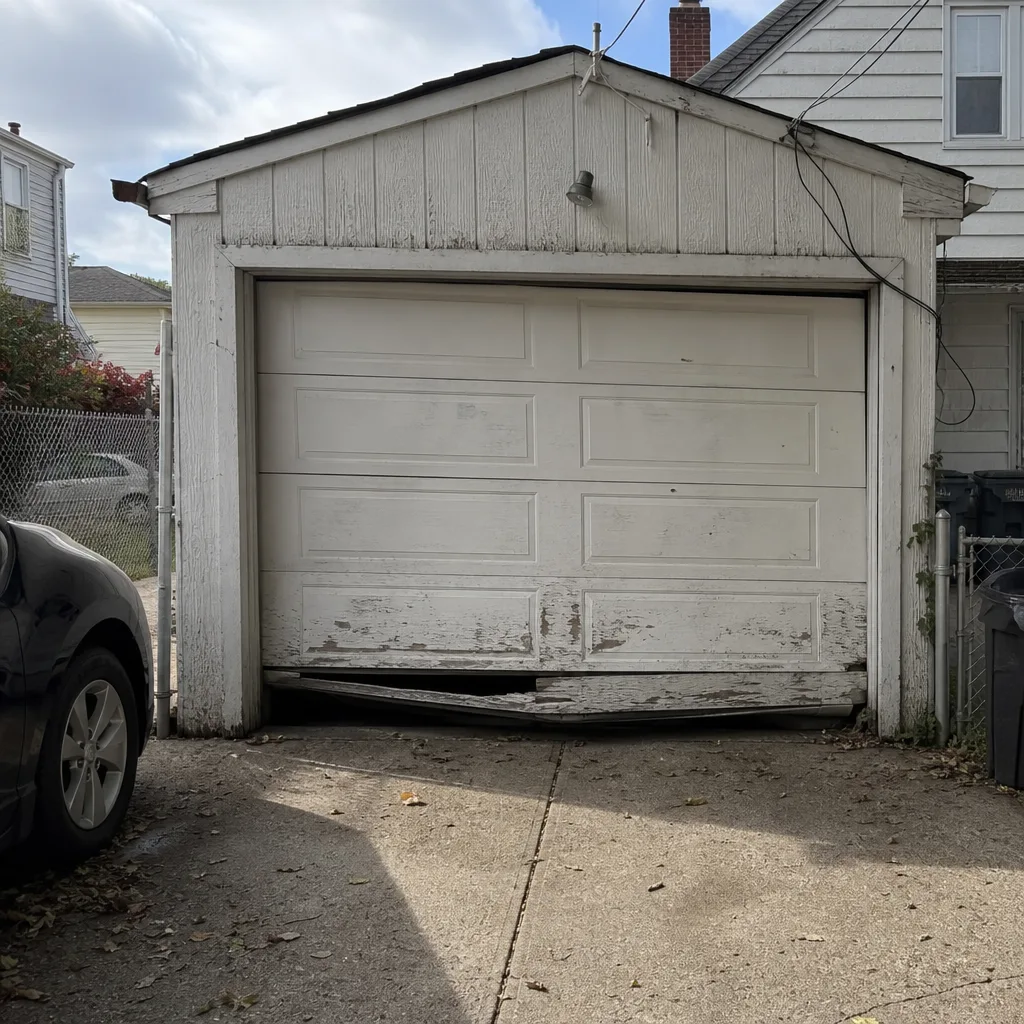 Before
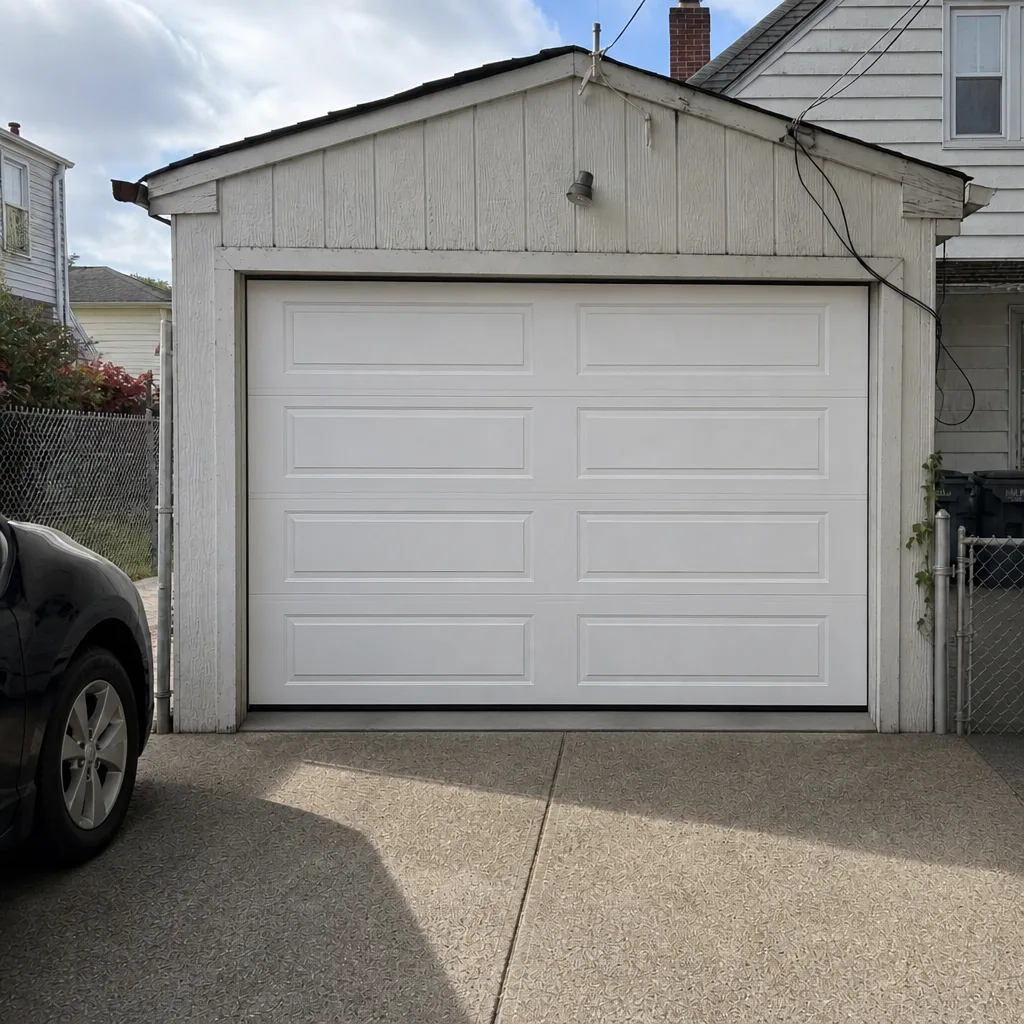 After
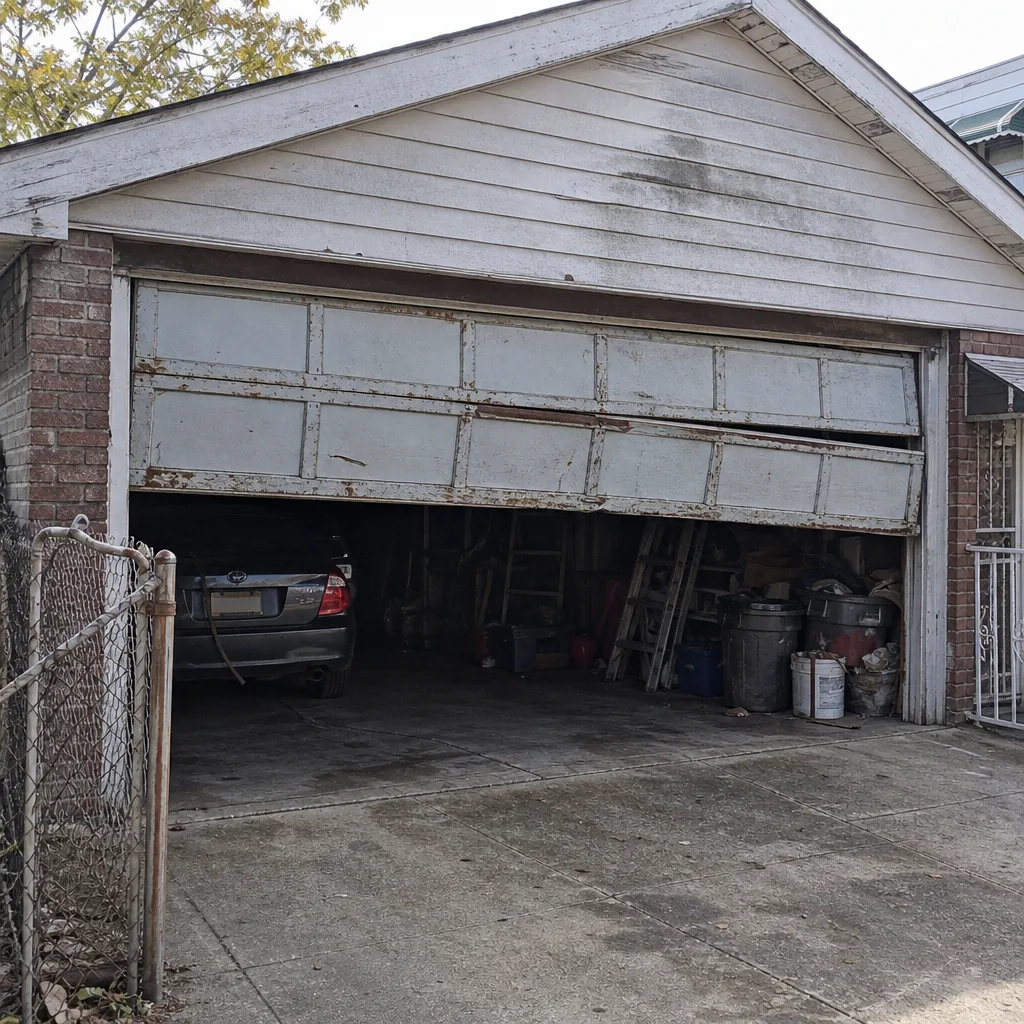 Before
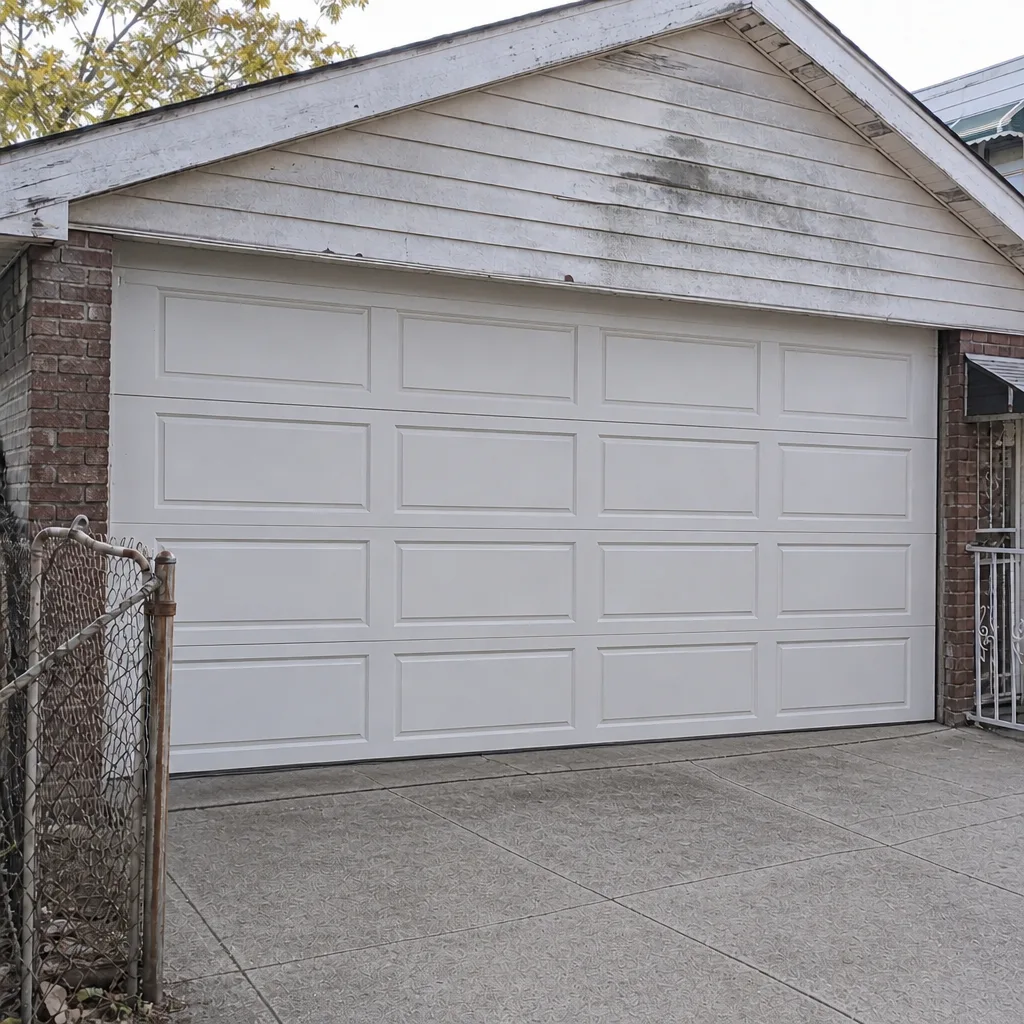 After
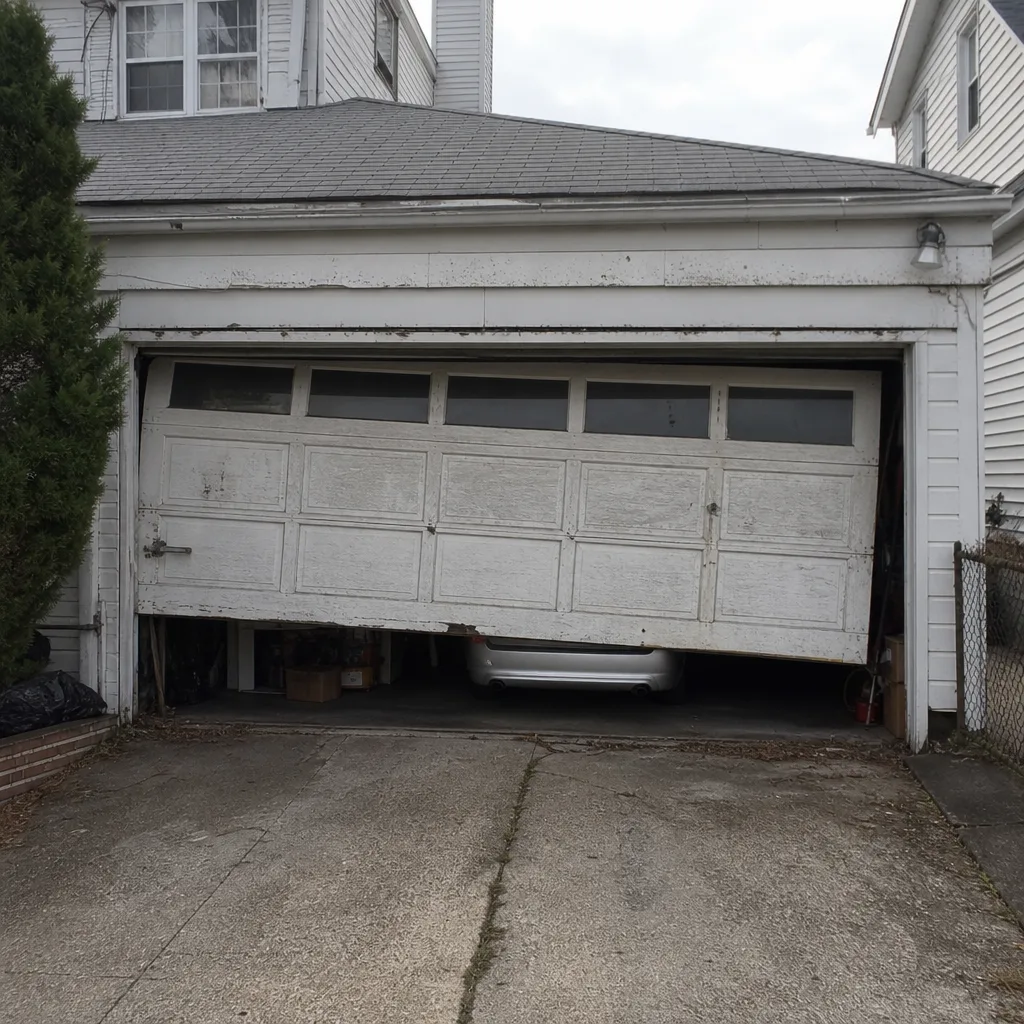 Before
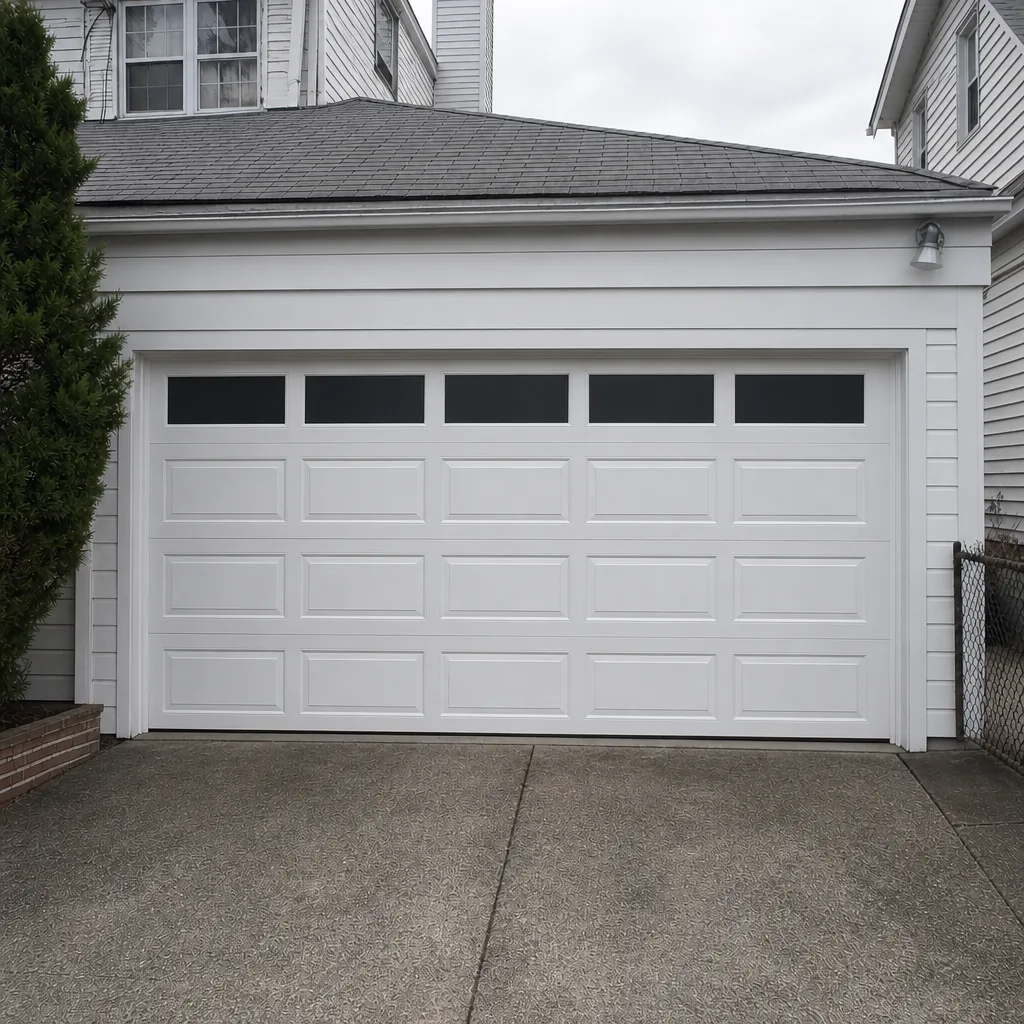 After
When to Call a Professional
Most seasonal care is within reach of any homeowner with a broom, a wrench, and a little patience. What isn’t within reach is anything that touches the springs or cables, a door that’s jumped its track, an opener that’s straining under a binding door, or a spring that’s snapped. Those are the situations where a trained specialist decides between repair and replacement, and where getting the right part for your specific door and opener brand matters. If you’re not sure whether a sound or a symptom is serious, it’s worth a quick call rather than waiting for the month it turns into a breakdown. Garage Door Repair East Flatbush offers free estimates in East Flatbush and the surrounding blocks. Call (855) 658-4194 to book a seasonal inspection or get a problem we’ve described here looked at. Our technicians have up to 14 years of experience working on the systems homeowners actually own.
Frequently Asked Questions
A frozen bottom seal is the most common winter problem we see in East Flatbush. The opener pulls against the seal while it’s stuck to the concrete, and a small weatherstrip issue becomes a torn seal, stretched cable, or a door needing a track adjustment. Keeping the seal dry and clear of ice and treating it as a fall maintenance item heads most of it off.
Once a month for a 90-second visual check, and a fuller seasonal inspection in late fall and early spring. The monthly driveway check catches small problems before they become winter or summer damage, and the two seasonal inspections catch the changes each extreme season leaves behind.
You can gently clear ice from the base of the door and let the seal warm, but don’t force the door open with the opener or by hand when it’s frozen. Forcing it is what causes the damage. If the seal is cracking or torn, replacing it is a job we handle, and the new weatherstripping won’t freeze as readily.
Some slowness in cold weather is normal. Cold metal, thick lubricant, and a stiffer bottom seal all make the door harder to lift, and the opener has to work harder to move it. What isn’t normal is a door that reverses, jolts, or barely opens. Check the remote battery first, then have a specialist look at the opener if a fresh battery doesn’t fix it.
Steel sections do expand with summer heat, and in a closed, humid garage that can push a door into its tracks. A door that binds on one side in July and runs freely in October is showing you the effect. A track realignment handles it without replacing the door.
No. Springs are under extreme tension and a failed spring can cause serious injury. Springs are a specialist-only service. Your seasonal care can include checking them visually from a distance, lubricating per the manufacturer’s guidance, and calling a professional if you see gaps, heavy rust, or a sagging shape.
Keep it simple. Note the month of each driveway check, any symptom you spotted, and any repair or part replacement, with the brand of the opener and door so future work uses the right components. If you’d rather leave it to a specialist, our team can handle the full repair side through our garage door repair service and pick up where your records leave off.
The Bottom Line
A garage door doesn’t fail randomly in East Flatbush; it fails on a schedule set by the seasons. Fall is about salt-proofing the bottom tracks and replacing a drying bottom seal before it freezes. Winter is about not letting a frozen seal turn into a strained opener. Spring is the inspection season, when you check cables and springs after the freeze-thaw cycles. Summer is when humidity and heat push a door
out of alignment. Do the 90-second driveway check once a month, book a professional look at the two seasonal pivot points, and never touch the springs or cables yourself. That’s the whole plan, and it’s what keeps a door quiet and safe all year.
For seasonal inspections, emergency calls, and full door installation, our team is here to help. See our full range of services on the Garage Door Repair East Flatbush page, and call (855) 658-4194 for a free estimate. Estimates are free, and the price is quoted and agreed before any work starts.
Written by the team at Garage Door Repair East Flatbush.