Last updated November 21, 2026
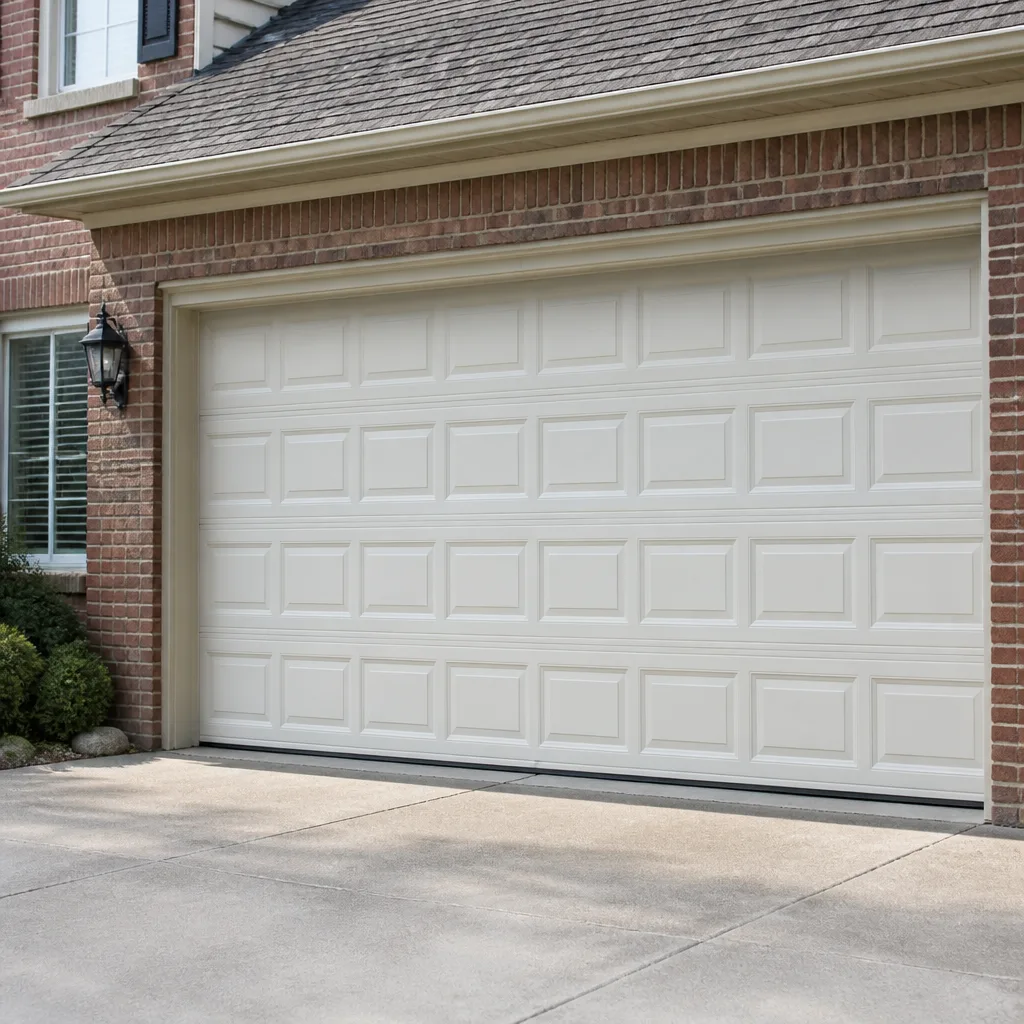 Raised-panel steel
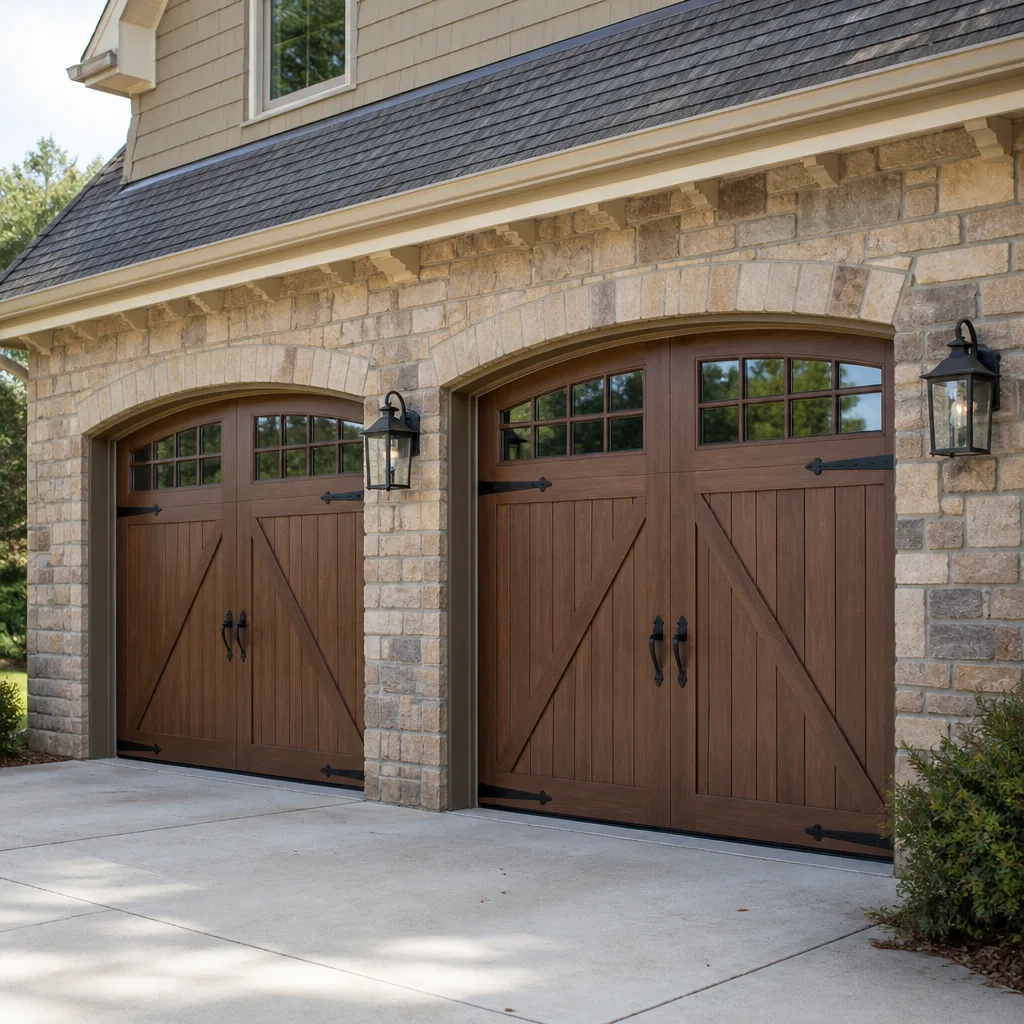 Carriage house
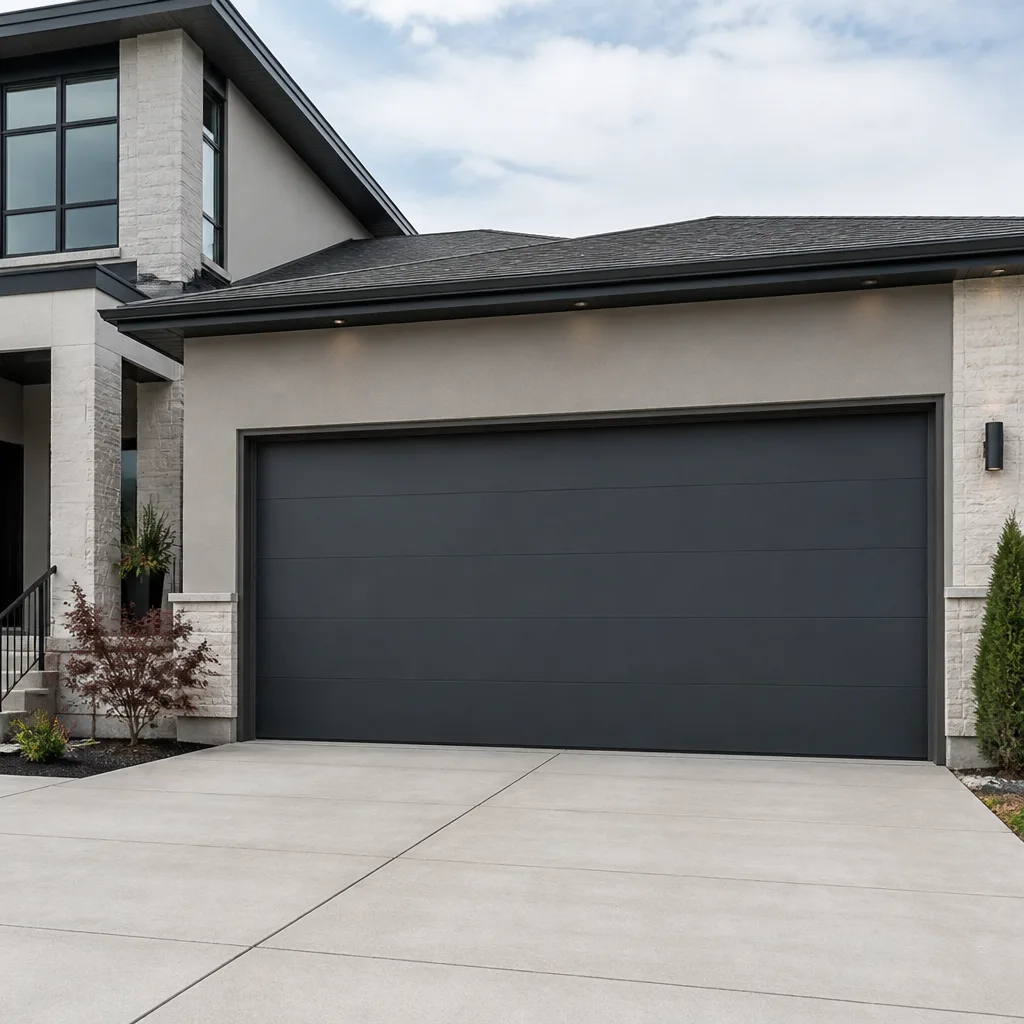 Modern flush
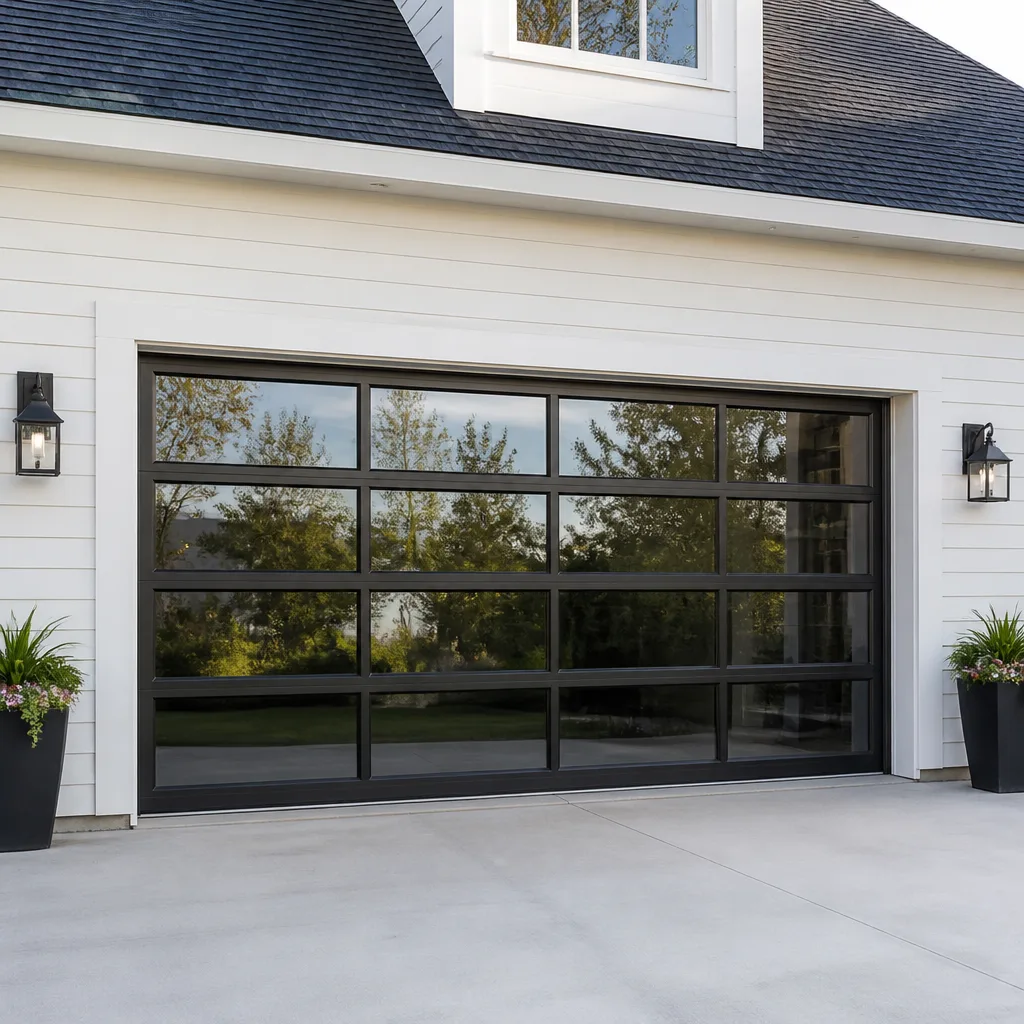 Full-view glass
 LiftMaster openers
 Chamberlain openers
Full 25-point door and opener safety check with every visit - springs, cables, rollers, tracks, and your LiftMaster or Chamberlain opener included
You get a price before we start. It does not change when the pro arrives.
Get your free estimateGarage Door Warning Signs: An East Flatbush Homeowner’s Reference Guide
Most garage door failures don’t happen without warning. They happen after weeks of warnings nobody recognized. That’s the part worth sitting with: the difference between a small service call and a major emergency repair is almost always a sign that was visible or audible long before the door stopped working. East Flatbush homeowners aren’t careless – they simply haven’t been told what a healthy door sounds like, how fast it should move, or what a normal gap looks like from the sidewalk. This guide gives you that baseline. By the end, you’ll know which sounds map to which parts, which visual clues mean trouble, and which signs mean call today versus schedule something soon.
Quick Answer
The most reliable garage door warning signs are a door that hesitates before moving, jerks or moves unevenly, makes grinding or popping sounds, has an uneven bottom gap, or reverses without an obstruction. Any of these can point to a spring losing tension, a worn roller, a misaligned track, or a failing opener. Grinding, popping, or a door that won’t stay up usually warrant a same-day call; a squeak or slow roller can be scheduled.
Styles & brands we work with
- Raised-panel steel
- Carriage house
- Modern flush
- Full-view glass
- LiftMaster openers
- Chamberlain openers
Table of Contents
- What Do the Sounds Tell You? An Audio Diagnostic
- Visual Gap Analysis: What to Look For from Street Level
- Movement Diagnostics: Hesitation, Jerking, and One-Sided Closings
- Opener Behavior Flags
- The Act Now vs. Monitor Decision Matrix
- The Spring Warning Signs Most Homeowners Miss
- How East Flatbush Weather Affects Your Door
- Common Mistakes to Avoid
- When to Call a Professional
- Frequently Asked Questions
What Do the Sounds Tell You? An Audio Diagnostic
Sound is the earliest warning a garage door gives you. A healthy door is quiet – a low, even hum from the opener and a soft roll of the panels. Anything that breaks that pattern deserves attention. Here’s how to map the noise to its likely mechanical source.
- Grinding: Metal-on-metal contact, usually worn rollers or dry hinges. Left alone, grinding accelerates wear on the track and can mean a roller has seized entirely. Urgency: schedule within the week, call sooner if the door slows noticeably.
- Popping or snapping: Often a cable jumping its drum or a torsion spring beginning to fail. This is the sound that precedes most spring breaks. Urgency: call today. Do not run the door repeatedly to test it.
- Squealing: Usually a dry torsion tube, dry rollers, or a bearing at the end of its life. The least urgent of these sounds, but squealing in cold weather often means lubrication is overdue. Urgency: schedule a tune-up.
- Thumping or banging: The door is hitting something, or the panels are flexing because the springs are no longer balancing the weight. Thumping can also mean loose track brackets. Urgency: call within a day or two.
- A single loud bang from the garage: That is very often a torsion spring breaking, and the door will not open afterward. Urgency: call immediately. Don’t try to force it.
One thing we hear from East Flatbush homeowners: a door that has always been a little loud gets treated as normal. It isn’t. If your door sounds different from last month, that’s your warning. Sound changes before failures. Our technicians have up to 14 years of experience, and the first thing they do on any diagnostic call is run the door and listen.
Visual Gap Analysis: What to Look For from Street Level
You don’t need to climb a ladder to spot most mechanical problems. Stand on the sidewalk or driveway and look at the door the way a stranger would. Here’s a checklist you can run in under two minutes.
- The bottom gap. With the door closed, look at the seal. A gap that runs the full width is often a worn bottom seal – simple to fix. A gap that’s wider on one side than the other points to a track that’s out of plumb or a spring that isn’t balanced. That’s a mechanical issue, not a seal issue.
- The horizontal lines. The seams between panels should be straight and level across the full width. A seam that slopes or sags on one side means the door is racking – often a sign of a failing spring or a bent track.
- Cable slack. Look at the cables running down each side of the door. They should be taut. A cable that looks loose, kinked, or is hanging off its drum is a serious safety flag. Stop using the door and call.
- Track alignment. The vertical tracks on each side should be parallel and straight. A visible bend or dent means the rollers are being forced through a curve they weren’t designed for. That’s a door that will eventually come off track.
- Rust and wear on hinges. Surface rust on hinges and rollers is normal in an older door. Hinges that look crooked, or rollers that sit at an angle inside the track, mean the hardware is worn past its service life.
One note on the roller check: don’t put your hands near the springs or cables while you inspect. Those components are under high tension and can cause serious injury. Visual inspection from a safe distance is all you need.
Movement Diagnostics: Hesitation, Jerking, and One-Sided Closings
A garage door that hesitates for half a second before moving isn’t quirky – it’s usually a torsion spring that’s lost enough tension to make the opener work harder than it was designed to. Within weeks, one of those springs is going to give out. Movement is the diagnostic that tells you the most about spring balance.
- Hesitation at the start: The opener engages but the door takes a beat to move. This often means the springs have lost tension and the opener is lifting more of the door’s weight than it should. That extra load wears the opener’s gears faster than anything else.
- Jerking or stuttering: The door moves in starts and stops rather than a smooth roll. That’s usually a worn roller catching in the track, or a track that’s slightly out of alignment. It can also be a sign of a failing opener drive gear.
- One side moving before the other: The door tilts slightly as it opens, one side leading. This is a spring balance problem, almost always. Springs are paired on most doors, and when one weakens the other takes more load. Both usually need replacing together.
- Slamming on the way down: The door drops faster than it should. That’s the springs no longer holding the door’s weight. It’s a safety issue and can damage the door panels over time.
- The door won’t stay open at halfway: Lift the door manually (if it’s safe to do so) to about waist height and let go. A balanced door stays put. A door that drops means the springs are done. Don’t do this test if the door is already off track or if a cable looks slack.
Jerky movement is one of the top reasons East Flatbush homeowners call us for garage door repair, and in most cases the fix starts with a spring balance check. If your door has been doing any of the above for more than a week, the repair cost has likely been growing.
Opener Behavior Flags
The opener is the brain of the system, and it has its own warning language. These signs are often mistaken for door problems when the door itself is fine – or the reverse. Here’s what each behavior likely means.
- The door reverses without an obstruction. If your door goes up and comes back down on its own, the sensors or the opener’s logic board are the first suspects. Sometimes a misaligned safety sensor is the cause, and sometimes it’s a failing limit switch. Either way, it needs a diagnostic before you keep using it.
- The door won’t close in cold weather. This one is East Flatbush-specific. When temperatures drop, metal contracts, and a track that was borderline in October can bind in January. Cold weather also stiffens the lubricant in older rollers. If your door only fails in winter, that’s telling you something about clearance and lubrication, not the opener.
- The opener runs but the door doesn’t move. Usually a broken spring or a snapped cable. The opener is fine – it’s doing its job, but the door can’t follow because it’s no longer counterbalanced. Stop running the opener; you’ll burn out the motor.
- The remote only works up close. Usually a weak battery or an antenna issue. Not urgent, but a symptom that the opener is nearing the end of its service life if the unit is older.
- The opener light flickers or the unit clicks without moving. That’s a logic board or capacitor issue. A specialist can tell you whether it’s a repair or a replacement, and brand matters here – Genie and LiftMaster units have different board layouts and failure points.
If you’re seeing any of these, a garage door opener repair call is the right step. A specialist will separate opener problems from door problems before touching anything.
The Act Now vs. Monitor Decision Matrix
Not every warning means pickup the phone immediately. Some do. Here’s how to sort them so you’re not living in a state of false alarm – or ignoring something that’s about to fail.
| Warning Sign | Call Today | Schedule Within a Week | Monitor |
|---|---|---|---|
| Loud bang from garage, door won’t open | Yes | ||
| Cable hanging slack or off drum | Yes | ||
| Door off track | Yes | ||
| Popping sound during operation | Yes | ||
| Door reverses without obstruction | Yes | ||
| Door slams down | Yes | ||
| One side leading on open | Yes | ||
| Grinding sound | Yes | ||
| Squealing | Yes | ||
| Uneven bottom seal gap | Yes | ||
| Hesitation before moving | Yes |
The rule of thumb: if the door’s movement has changed, schedule within a week. If the door’s structural integrity is compromised – off track, slack cable, broken spring – that’s today. If it’s a noise that hasn’t changed, monitor and get a tune-up at your convenience. Emergency garage door service is genuinely for access or safety situations, not for sounds that have been the same for a month.
The Spring Warning Signs Most Homeowners Miss
Torsion springs are the most safety-critical component on your door, and they fail without a lot of drama. The door just stops working one day. But in the weeks before, there are signs – they’re just easy to miss if you don’t know what to look for.
- A gap in the spring coil. Look at the spring wound around the bar above the door. The coils should be tight together. A visible gap – even a small one – means the spring has begun to unwind and lose tension.
- The door feels heavier. If you normally lift the door by hand and it suddenly feels like it weighs more, the springs are losing their lift capacity. Don’t test this if you’re not sure how to do it safely.
- The door doesn’t hold position. As mentioned earlier, a balanced door stays at waist height when you let go. One that drops is telling you the springs are done.
- The opener sounds louder. When the springs stop helping, the opener does more work. That extra load can sound like a deeper hum or a strain at the start of the cycle. It’s an early sign of spring fatigue.
- Visible rust or metal filings on the spring. Springs rust and lose elasticity over time. If your East Flatbush door is on a brick garage with a century of weather on it, the springs are likely original. Rust visible on the coils is a photograph of age.
Springs are dangerous – they’re under enough tension that a failure or an improper repair can cause serious injury. We’re not going to walk you through spring replacement here; that’s not a safe DIY project. But knowing what to look for gives you the lead time to call a specialist before something breaks. Both springs should usually be replaced as a pair, since a new spring paired with a worn one will fail early.
How East Flatbush Weather Affects Your Door
East Flatbush doors live through a specific set of conditions. Hot, humid summers followed by cold winters mean the door’s metal expands and contracts through a wide range every year. That movement stresses every moving part – tracks, rollers, torsion springs, and the panels themselves.
Summer heat can cause a track to distort slightly, especially older steel tracks on brick garages. If your door binds in July, the track is the first suspect. Winter cold contracts everything, stiffens old grease, and can make a marginal track bind hard enough to stall the opener. That’s why a door that works fine from May to October can start failing in December, and why a tune-up in late fall is worth more than one in spring.
Humidity is the other factor. East Flatbush summers push moisture into every unfinished metal surface. Springs, hinges, and tracks rust. Rust doesn’t fail a part overnight, but it does weaken it a little every season. A door that’s been on the same springs for years is more likely to fail the next time the weather swings than a newer door, no matter what the weather is doing that day.
For an older door that’s failing repeatedly or showing multiple warning signs at once, full garage door installation may be more economical than one repair after another. If the panels are still solid and the problem is mechanical, repair is usually the answer. A specialist can tell you which based on the door and the hardware, not on a sales quota.
Common Mistakes to Avoid
- Running the door to “see if it fixes itself.” If the door is popping or stalling, every cycle you run puts more load on the opener and risks a spring failure while the door is in motion. Stop the door and call.
- Spraying lubricant on everything. Lubricant on the wrong surface can attract grit and accelerate wear. Rollers, hinges, and the torsion tube need specific products; tracks should stay clean and dry. Don’t spray the track to quiet a grinding sound – that’s masking a problem.
- Replacing one spring when both are worn. On a paired-spring door, replacing one leaves the other doing twice the work, and it usually fails weeks later. The re-visit costs more than the pair would have.
- Forcing a door that’s off track. Once the rollers are out of the track, running the opener can bend panels and the track itself. Off-track doors need to be reset by hand, safely – not by trying the remote again.
- Adjusting the opener’s force settings to compensate. If the door hesitates, turning up the opener’s force setting doesn’t fix the spring – it hides it. The door will still fail, and now the opener is damaged too.
- Ignoring the door because it “still opens.” A door that still opens with a slack cable or a rusted spring is on borrowed time. The warning is the time to schedule, not the failure.
- Assuming brand doesn’t matter. A Wayne Dalton door and a Clopay door don’t take the same parts. A generalist will try to fit the closest match; a specialist works with the actual components. The right part for your door comes down to which brand is on it.
When to Call a Professional
Call a professional immediately if any of the following is happening: the door won’t open at all, a cable is slack or hanging, the door is off track, a spring has visibly broken, or the door reverses or closes unprompted. These are access and safety situations, and they need a same-day response. For signs like grinding, jerking, uneven movement, or hesitation, schedule an appointment within the week before the wear spreads to more expensive parts. For an older door with multiple warning signs, an assessment is worth more than patching symptoms. We’re a garage door specialist – not a general handyman – which means every technician on every job works on doors, not a rotation of plumbing and HVAC and whatever else. We service eight major brands: LiftMaster, Chamberlain, Genie, Clopay, Amarr, Wayne Dalton, Craftsman, and Raynor. Garage Door Repair East Flatbush offers free estimates – call (855) 658-4194.
Frequently Asked Questions
The most common warning signs are a door that hesitates before moving, jerks or moves unevenly, makes grinding or popping sounds, has an uneven bottom gap, or reverses without an obstruction. Each points to a specific mechanical issue – usually spring tension, roller wear, or opener problems. If you’re seeing any of these in East Flatbush, call (855) 658-4194 for a diagnosis.
Yes, if the grinding is loud and persistent, stop using the door and schedule a repair. Grinding usually means worn rollers or hinges, and every cycle wears the track further. Mild grinding can wait a few days; loud grinding should be looked at now. Call (855) 658-4194 to book an appointment.
No. Torsion and extension springs are under high tension, and a failure or an improper repair can cause serious injury. This is the one component on the door we never recommend for DIY. Spring repair is a job for a specialist with the right tools and training – leave it to a professional. Call (855) 658-4194 for a free estimate.
Typical garage door repair in East Flatbush runs from roughly $150 for a minor adjustment or tune-up to $400 or more for a spring or opener repair, depending on the parts needed. The written estimate you get before any work starts is the price you’ll pay. Call (855) 658-4194 for a free estimate.
Yes. Cold weather contracts metal, stiffens old lubricant, and can make a marginal track bind. That’s why a door that works all summer can start stalling in winter. If your door only fails when temperatures drop, that’s usually a sign of track clearance, lubrication, or spring fatigue rather than an opener failure. Call (855) 658-4194 for a diagnostic.
If the door is visibly angled, the rollers are out of the track channel, or the door stops partway and won’t move, it’s off track. Don’t run the opener – that will bend the track and the panels. Call (855) 658-4194 for a same-day visit; off-track doors are an access and safety situation.
The Bottom Line
Most garage door failures don’t happen without warning. The door winked at you weeks ago – a hesitation, a noise, a gap you noticed but didn’t act on. This guide gives you the baseline for a healthy door so you can spot the warning signs while they’re still small. Grinding, popping, slack cables, uneven gaps, and hesitation all point to specific parts and specific urgency levels. The decision comes down to this: if the door’s movement has changed, schedule a repair within the week; if the door’s structure is compromised, call today. Knowing which is which is the difference between a small service call and an emergency. In East Flatbush, we’re specialists in garage doors alone – that’s the whole job. If your door has been warning you, the right next step is a free estimate, not another cycle to see what happens. Call Garage Door Repair East Flatbush at (855) 658-4194 to schedule yours.
Written by the team at Garage Door Repair East Flatbush.
See the difference
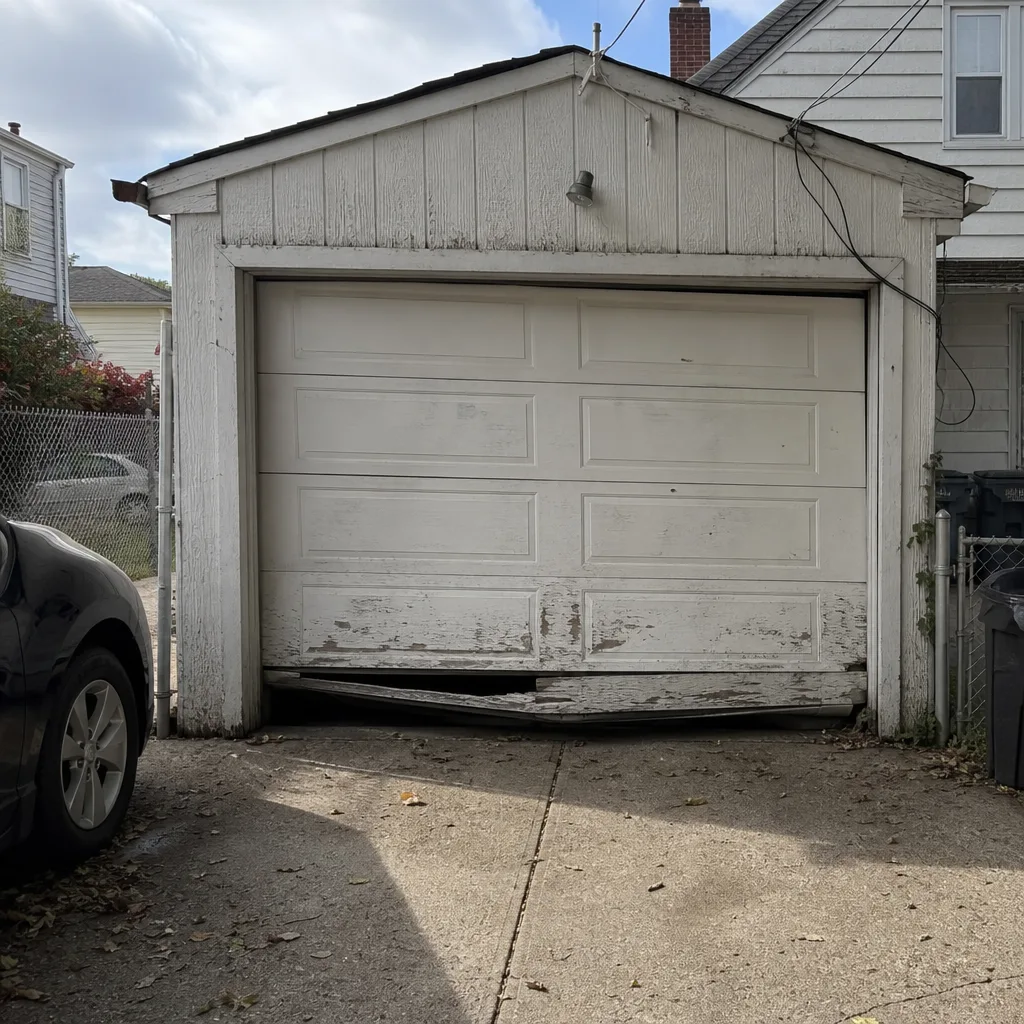 Before
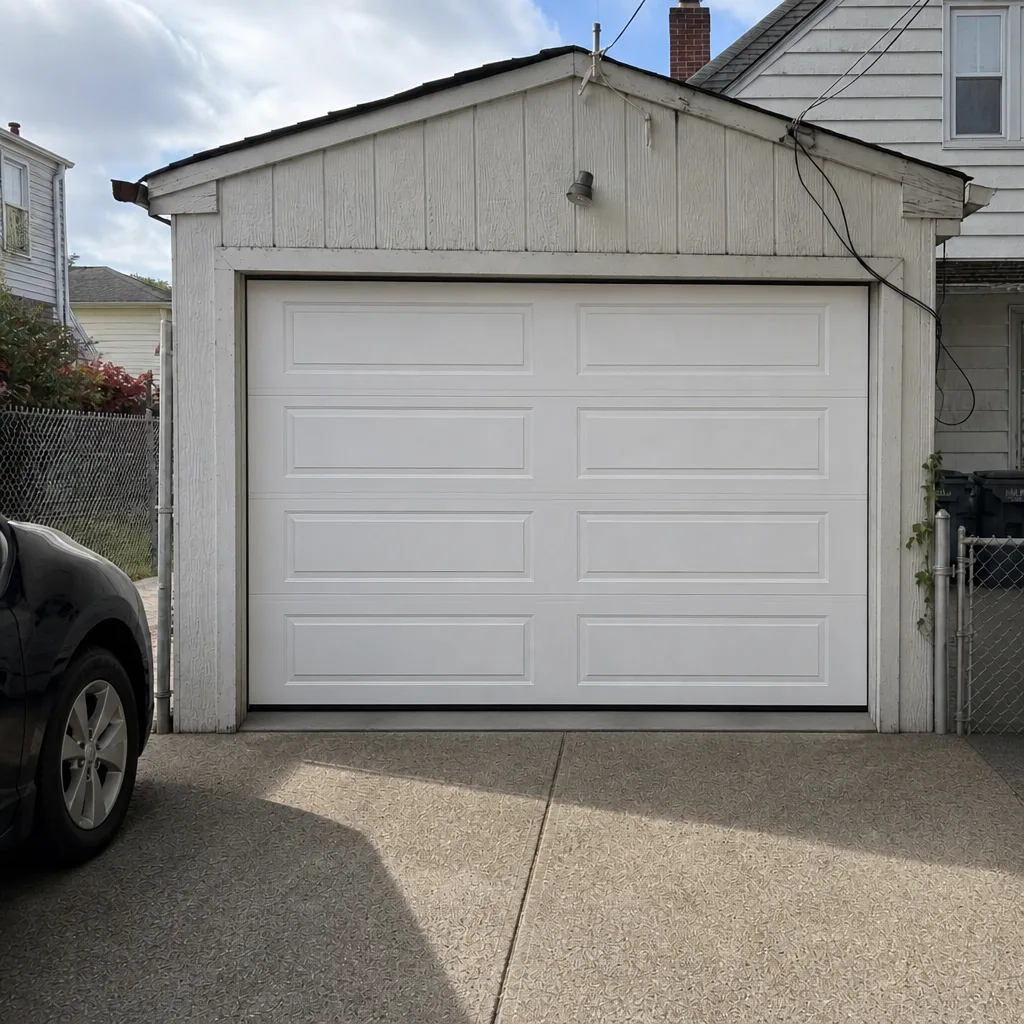 After
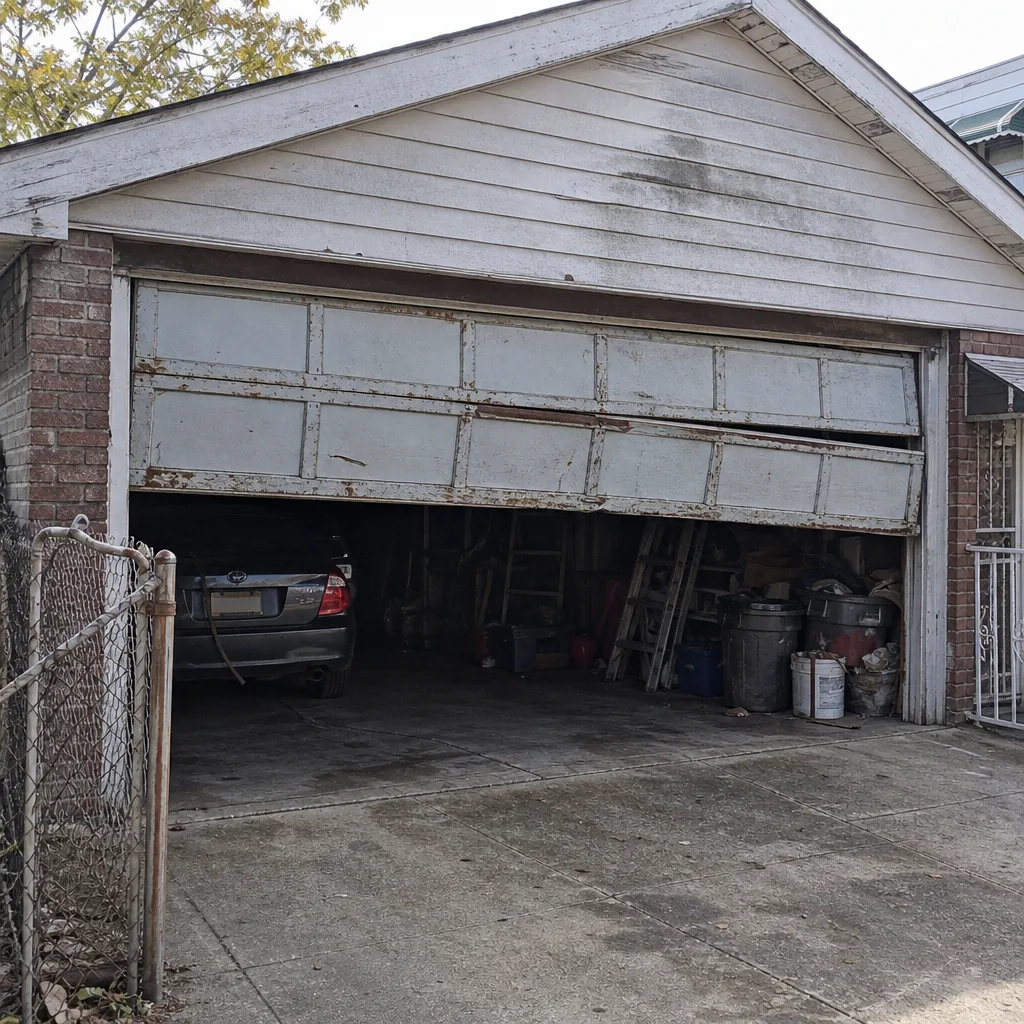 Before
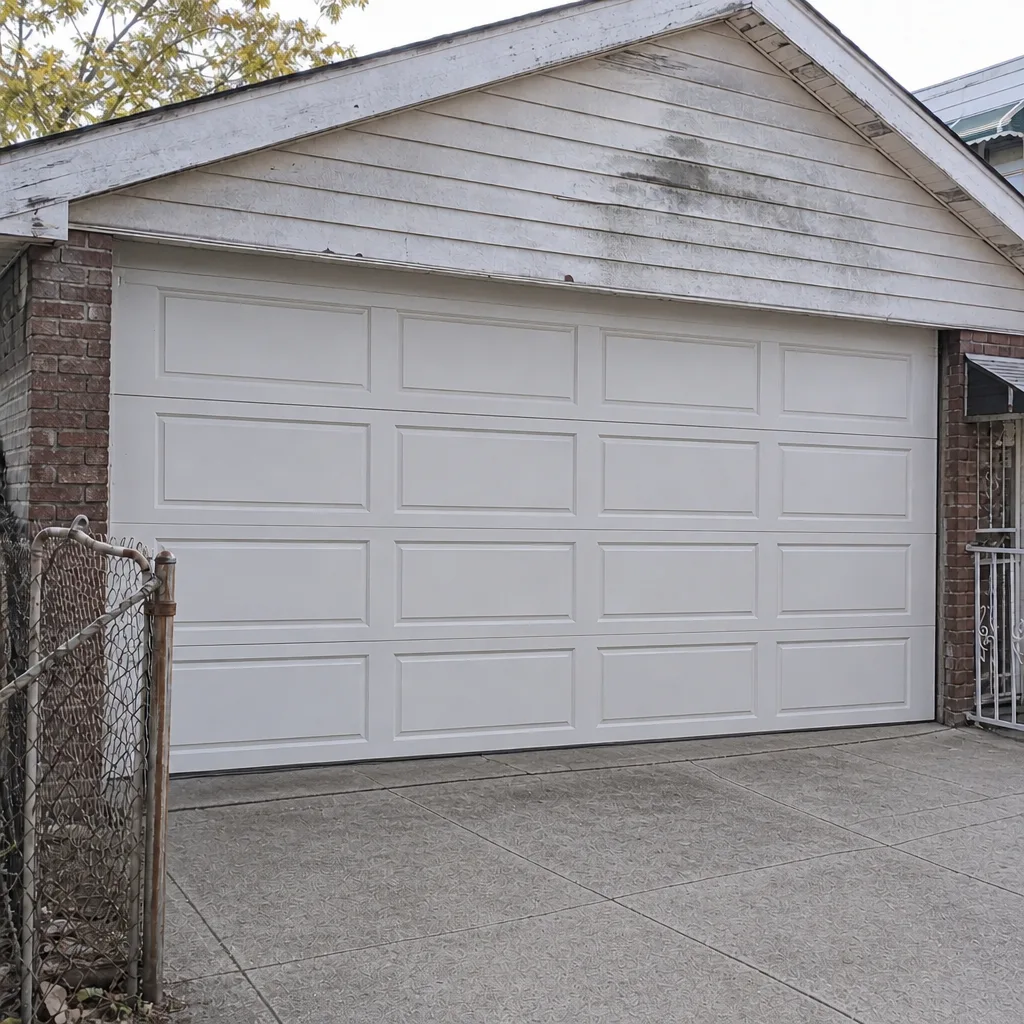 After
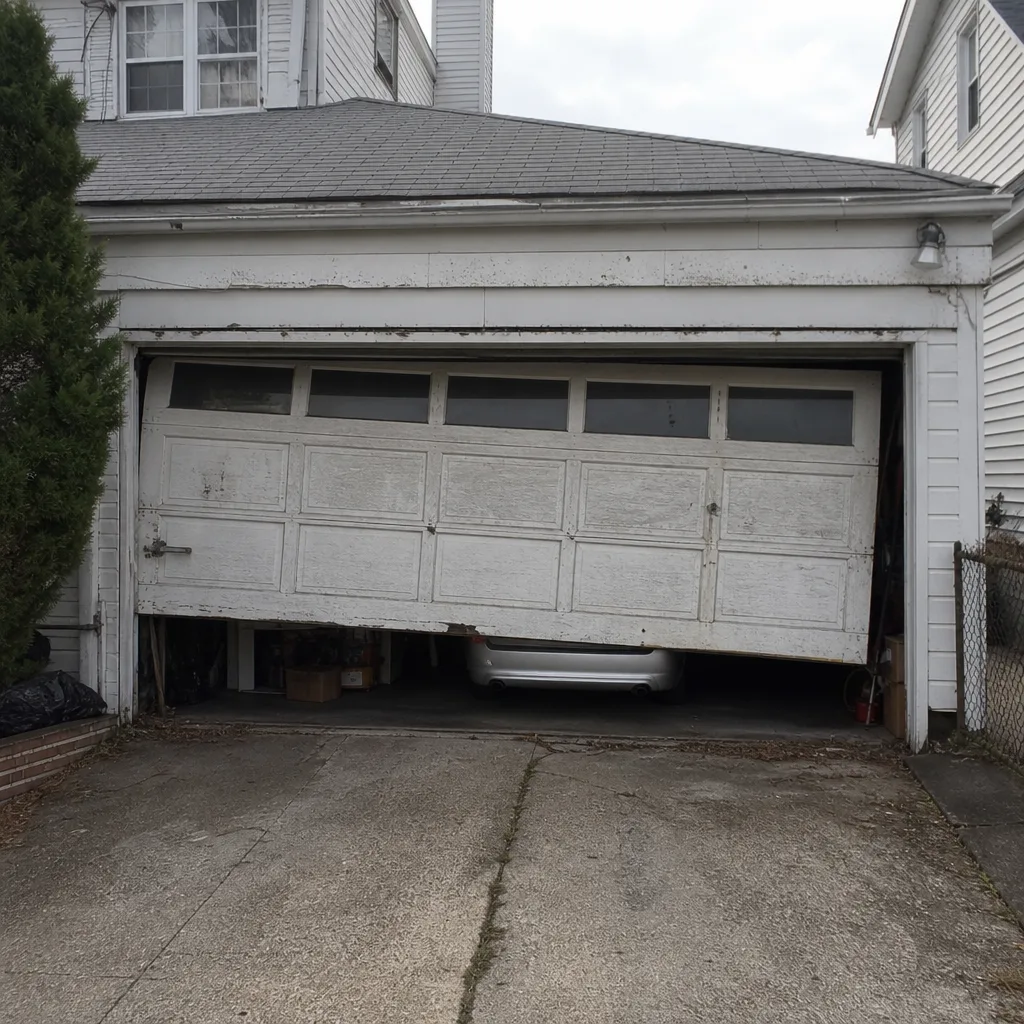 Before
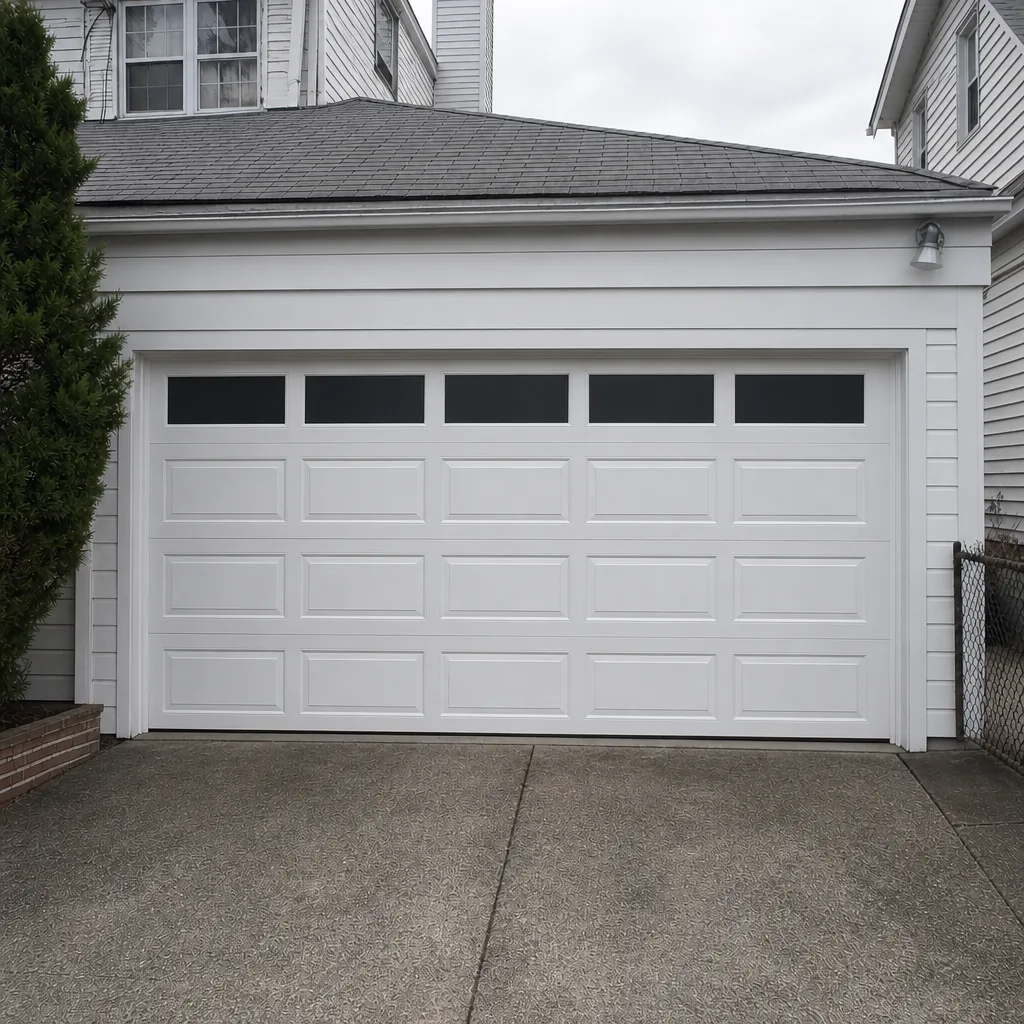 After