Last updated November 21, 2026
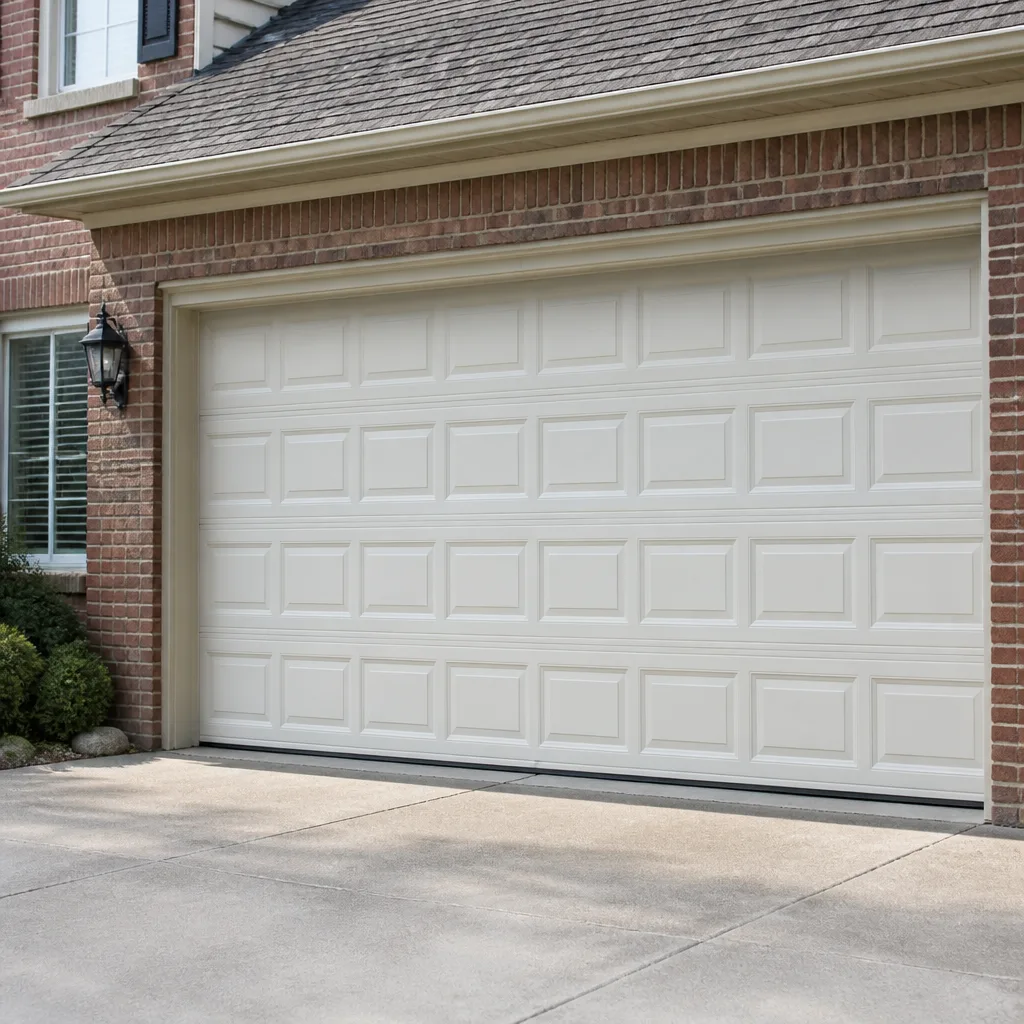 Raised-panel steel
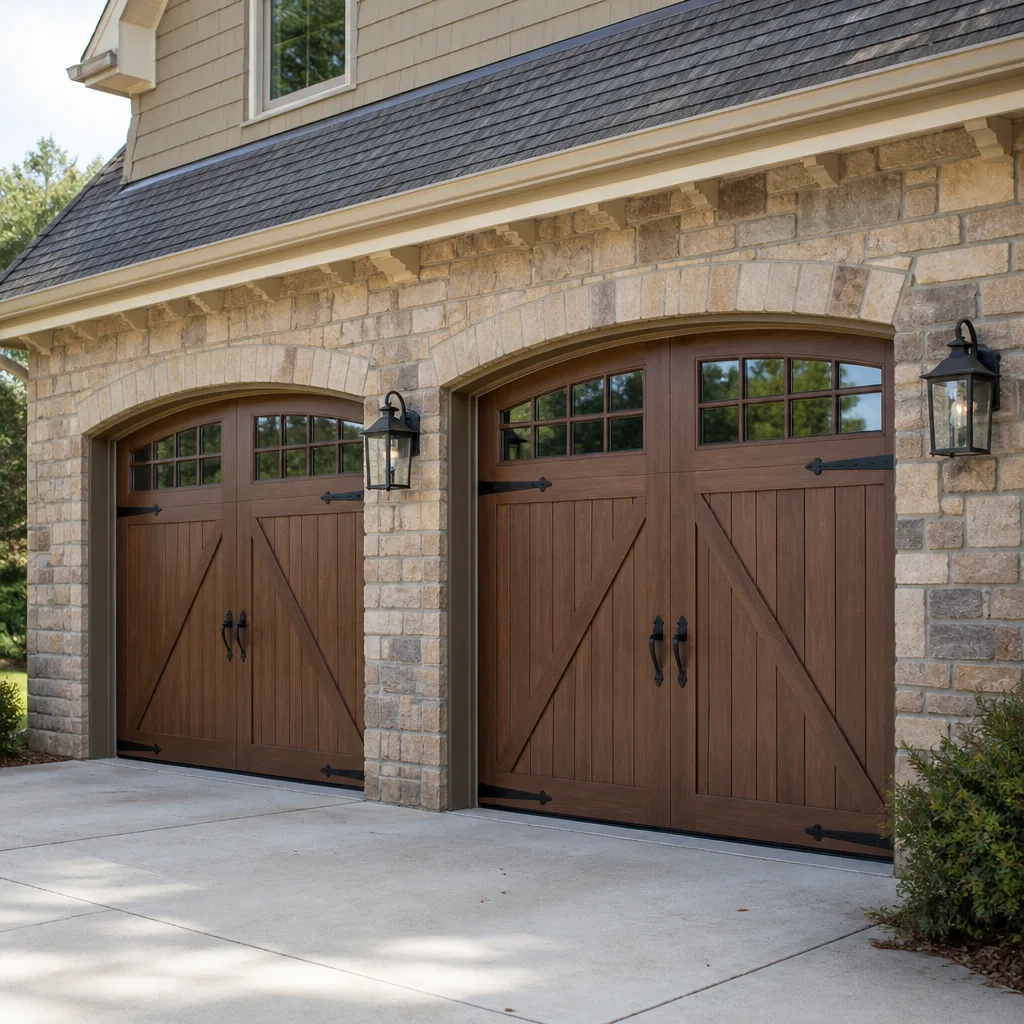 Carriage house
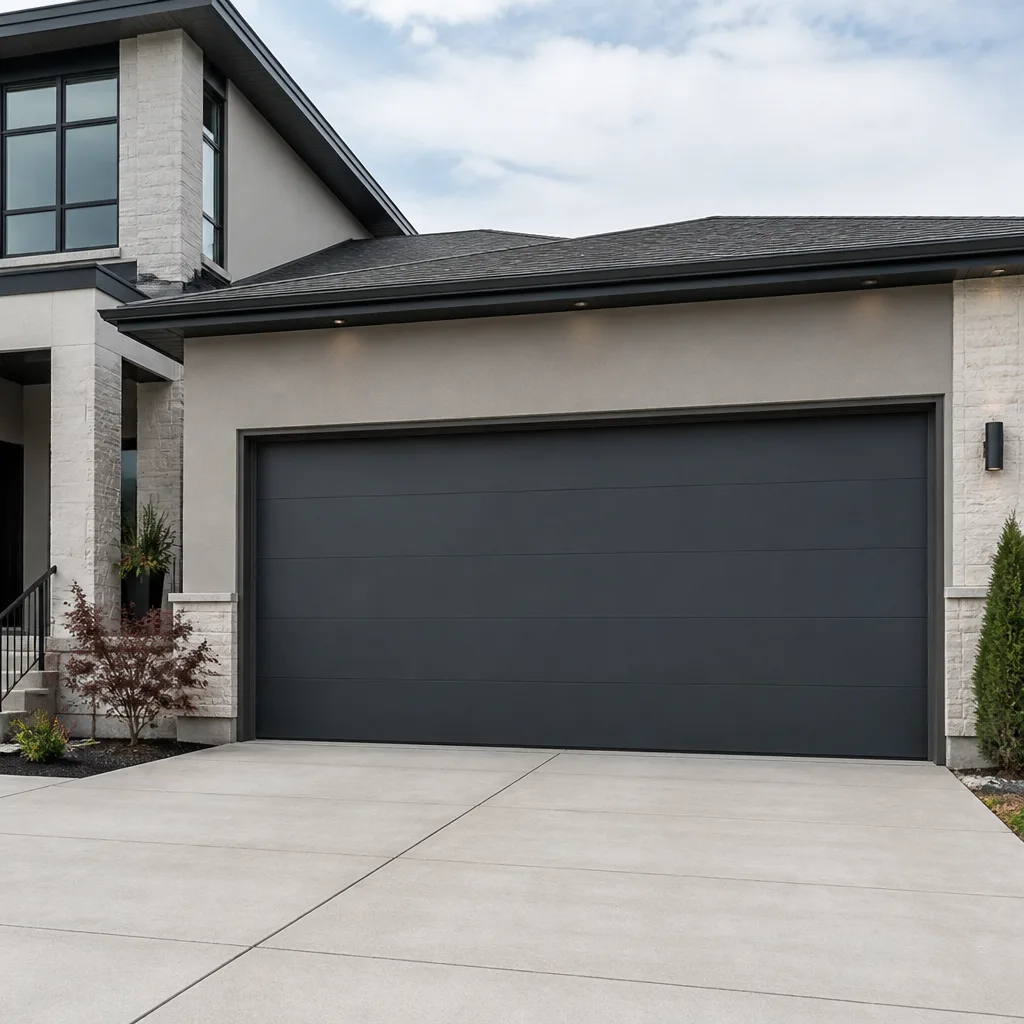 Modern flush
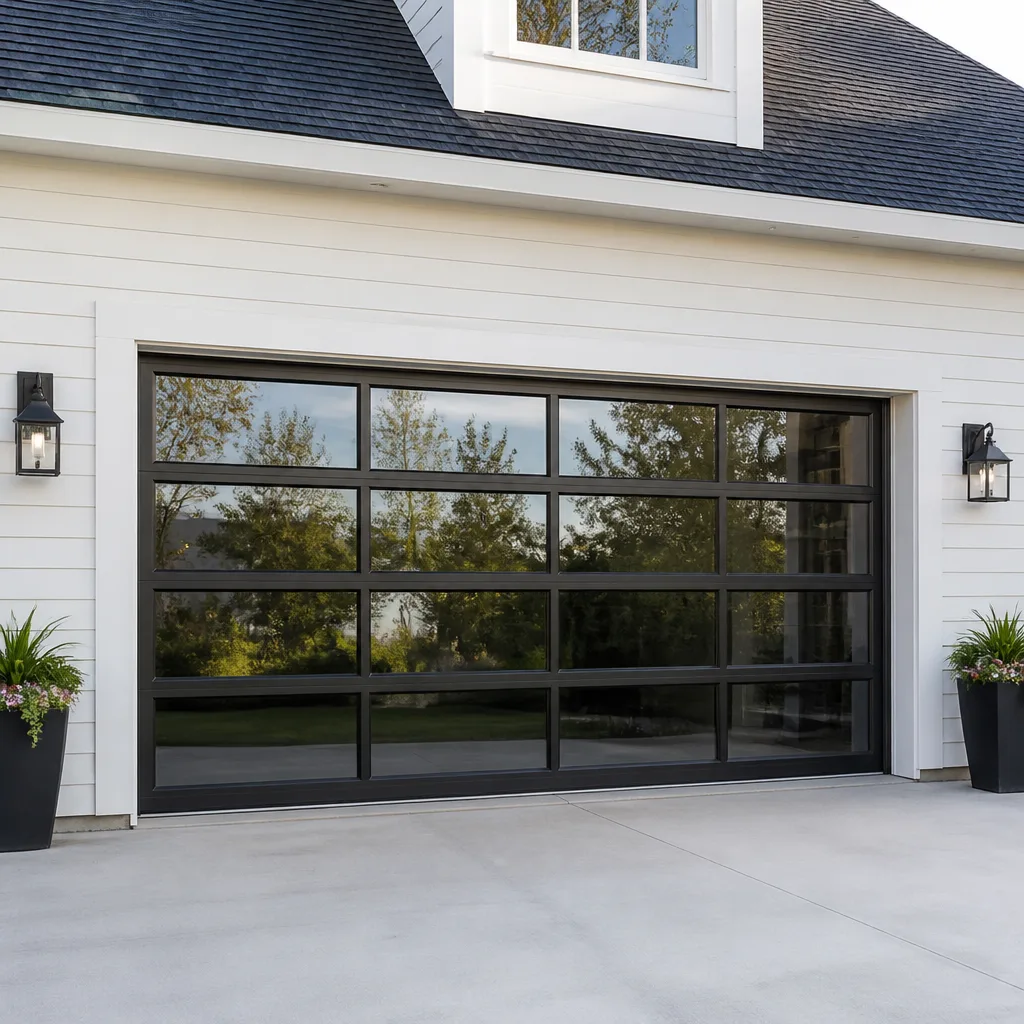 Full-view glass
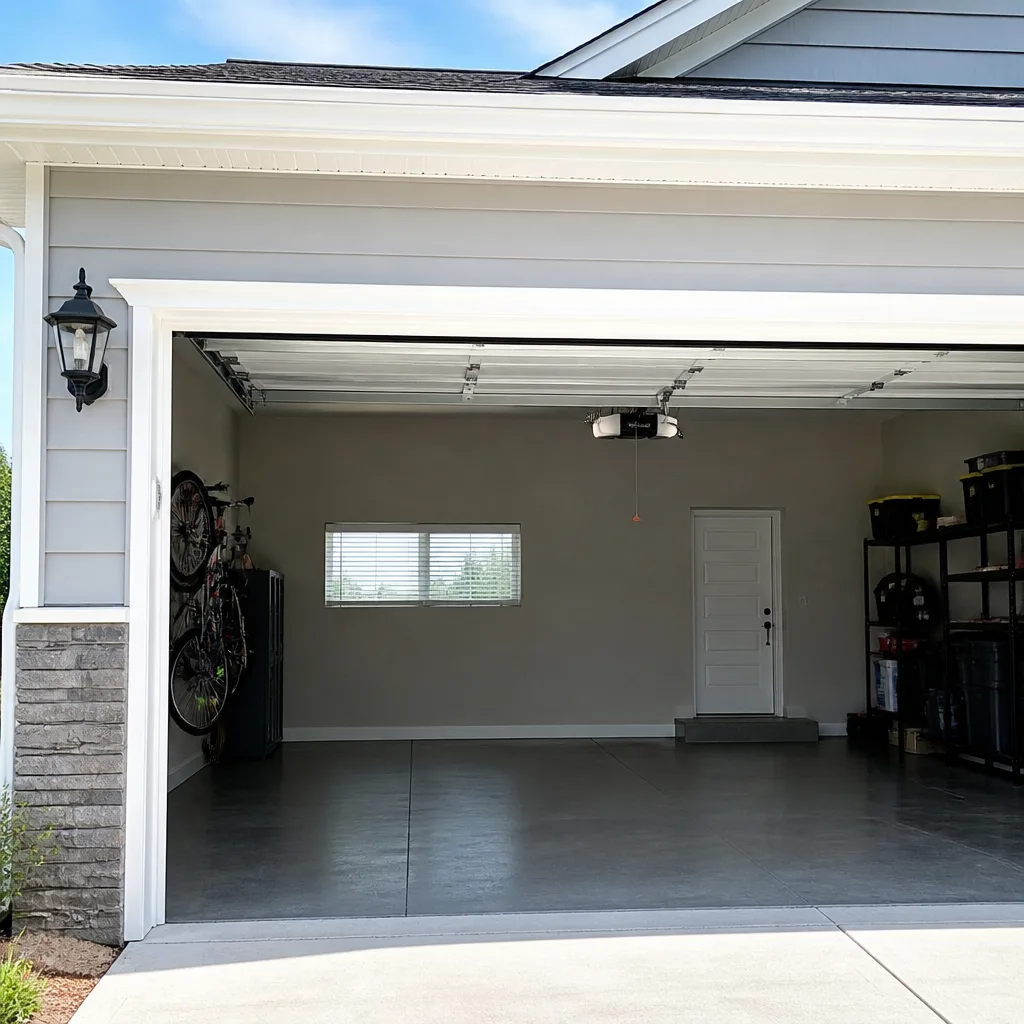 LiftMaster openers
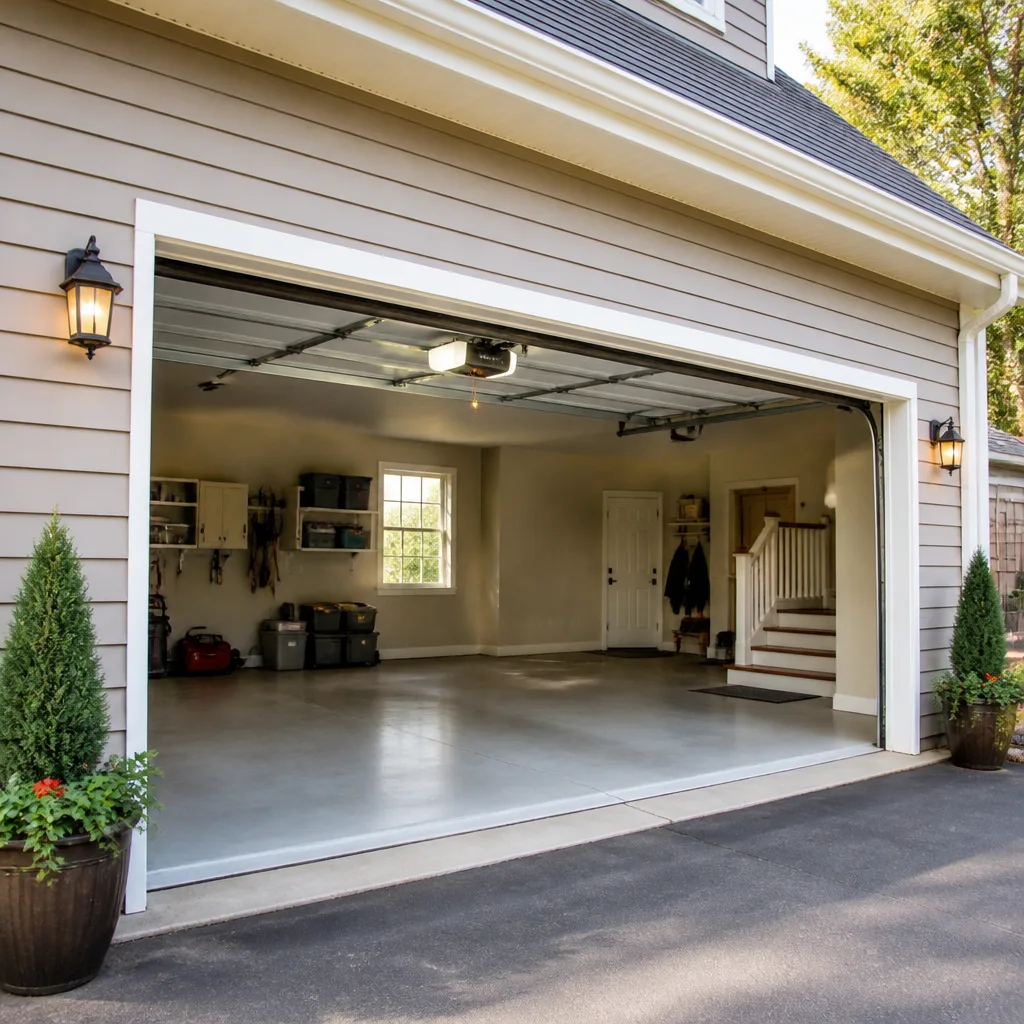 Chamberlain openers
Full 25-point door and opener safety check with every visit - springs, cables, rollers, tracks, and your LiftMaster or Chamberlain opener included
You get a price before we start. It does not change when the pro arrives.
Get your free estimateGarage Door Cost Breakdown: The East Flatbush Homeowner’s Reference for 2026
The $275 spring quote sounds better than the $420 one, until you find out the cheaper contractor is installing offshore-manufactured springs rated for 10,000 cycles on a door your family cycles about 1,500 times a year. That math doesn’t work out in your favor – it works out in the contractor’s, who gets to come back in a year and charge you again. National cost averages miss this entirely, and they miss East Flatbush too, where labor rates, parts sourcing, and job complexity are nothing like a suburban install. This guide breaks down what you’ll actually pay here in 2026, job by job, and where the real value sits.
Styles & brands we work with
- Raised-panel steel
- Carriage house
- Modern flush
- Full-view glass
- LiftMaster openers
- Chamberlain openers
Quick Answer
In East Flatbush, NY in 2026, a single garage door spring replacement typically runs $180 to $340, a matched pair about twice that, opener installation $350 to $650, cable repair $150 to $280, panel replacement $200 to $500, and a full new door installation $1,200 to $3,500 depending on door type and complexity. These are estimates only – the written quote from your technician sets the final price, and that price should be agreed before any work begins.
Table of Contents
- What Do the Five Most Common East Flatbush Jobs Cost in 2026?
- Why Does Garage Door Labor Cost More in NYC Than the National Average?
- Parts Quality Tiers: OEM vs. Aftermarket vs. Off-Brand
- Hidden Cost Triggers in Urban Brooklyn Jobs
- How to Read a Quote Line by Line
- Why the Cheapest Quote Is Often the Most Expensive Outcome
- East Flatbush Specific Factors That Change the Price
- Common Mistakes to Avoid
- When to Call a Professional
- Frequently Asked Questions
- The Bottom Line
What Do the Five Most Common East Flatbush Jobs Cost in 2026?
These are the five jobs that make up the bulk of what we’re asked to quote in East Flatbush. The ranges below reflect typical 2026 pricing for residential work. Every job gets a written estimate before anything is touched, and the estimate is what you pay – no surprise invoices after the fact.
| Job Type | Typical 2026 Range |
|---|---|
| Spring replacement (single spring) | $180 – $340 |
| Spring replacement (matched pair) | $360 – $680 |
| Cable repair | $150 – $280 |
| Opener installation | $350 – $650 |
| Panel replacement | $200 – $500 |
| Full door installation | $1,200 – $3,500 |
Spring replacement. A spring range is per spring. If both springs are being replaced together – which is standard practice, since a matched pair fails on the same schedule – budget for roughly twice that. Springs are the highest-risk component in the whole system and should only be handled by someone who does this work as their trade.
Opener installation. A standard LiftMaster or Genie unit sits toward the low end of the range; a smart system with battery backup and app control trends higher. The opener price usually includes disconnecting and hauling away the old unit.
Cable repair. A snapped or frayed cable needs to be replaced along with the drums it runs on, which is why the range spans a bit. Cables are under tension just like springs and carry the same hazard.
Panel replacement. If your door is a sectional – as most are – you can often replace just the damaged panel rather than the whole door. Whether that’s possible depends on the door’s age, the manufacturer, and whether the matching panel profile is still available.
Full door installation. The range reflects door material, size, window options, insulation, and how tight the site is. For a fuller rundown of what’s involved, our garage door installation page walks through the process from measurement to final adjustment.
Why Does Garage Door Labor Cost More in NYC Than the National Average?
Garage door labor in Brooklyn runs roughly 20 to 35 percent above the national average, and there are good reasons for it that have nothing to do with gouging. Wage floors are higher, insurance costs for contractors are steeper, and moving materials and equipment through dense urban streets adds real time to every job.
Here’s where that premium actually shows up:
- Technician wages. Skilled garage door techs in the NYC metro earn more than their peers nationally, and that cost flows through to the labor line. This isn’t padding – it’s the market.
- Liability and workers’ compensation costs. Insurance for a contractor working in the five boroughs is expensive. The legitimate contractors carry it.
- Travel time. Two jobs that are five miles apart in the suburbs might be ten blocks apart here but take the same drive time. Multiply that across a day and you see why labor hours stretch.
- Parking and logistics. Someone has to find a spot, carry the equipment, and manage the job site in a way that isn’t an issue for a driveway install. That overhead is real.
- Building access complexity. Elevators, narrow passages, gated driveways, shared alleyways – each adds minutes that a suburban job doesn’t have.
When a quote comes in significantly below the East Flatbush norm, the first question to ask is where the savings are coming from. Sometimes it’s a smaller job. Often it’s cheaper parts or skipped steps. Our garage door repair page explains the full process so you know what a complete job looks like.
Parts Quality Tiers: OEM vs. Aftermarket vs. Off-Brand
This is where the real cost difference sits, and where a quote can look $150 cheaper while actually being worse value. Parts fall into three rough tiers, and the cycle life varies dramatically.
- OEM (original equipment manufacturer). These are the parts made by or for the door manufacturer – Clopay, Amarr, Wayne Dalton, Raynor, and so on. They match the door’s design tolerances and carry the manufacturer’s cycle rating. Typically 20,000 to 30,000 cycles for a standard residential spring.
- Reputable aftermarket. Third-party manufacturers who make to a genuine spec. Some are excellent; the best carry their own cycle ratings. Worth asking about for a bid to compare, but the label needs to be identifiable.
- Off-brand import. Often rated for 10,000 cycles at most. Half the cycle life means roughly double the replacement frequency – so a $275 spring that fails in a couple of years costs more than a $420 spring that lasts twice as long.
Translate that into per-year cost. If you cycle your door twice a day, that’s around 730 cycles per year – some households with multiple drivers and regular in-and-out are higher. A 10,000-cycle spring at 730 cycles a year gives you under 14 years of theoretical life, and that’s assuming ideal installation. A 25,000-cycle OEM spring gives you more than double that. The cheaper spring doesn’t save money. It splits the cost into two replacements plus an extra labor call.
We stock and fit the actual components of whatever system is on your door. If your door is a Clopay, you get Clopay-matched parts. If it’s a Wayne Dalton, the same. That brand-specific approach matters because it’s what determines whether the components wear evenly or fight each other. Our team specializes in spring repair as a standalone service – it’s a job many general handymen decline, and rightly so. Springs are dangerous; leave them to a specialist.
Hidden Cost Triggers in Urban Brooklyn Jobs
A quote that looks clean can still balloon if the contractor hasn’t accounted for urban realities. In East Flatbush, there are a few predictable triggers that change the price. A good quote will identify them upfront; a bad one will surprise you with them later.
- Parking and access. Some jobs require the technician to find street parking or arrange site access – a cost that suburban contractors almost never think about. Ask whether your quote accounts for it.
- Buildings with elevators or shared access. If your garage sits under a multifamily building, or access goes through a shared passage, expect a line item for the extra time. This is normal and honest; a quote that ignores it will get you at the end.
- Permit add-ons. Many full door installs and some structural changes require a permit. The permit fee and the time spent pulling it add to the job total. Ask whether the work your job involves typically needs one – your city’s building department has the answer for your specific address.
- Emergency or after-hours surcharges. If your door has failed and you need someone now, expect a premium – but not a mystery one. A quote given before the tech starts should state any surcharge clearly.
- Door age and discontinued parts. If the door is older and the matching panels or cables aren’t standard stock, sourcing takes time and costs more. This is a real factor in East Flatbush’s housing stock, where original doors on older rowhouses are common.
- Structural or track damage. If the tracks are bent or the header is out of square – both more common in older buildings – the job can grow from a repair to a rebuild. This should show as a separate line, quoted before work begins.
None of these are rip-offs. They’re the actual scope of urban work. The question is whether they show up in your written quote or on your final invoice.
How to Read a Quote Line by Line
Reading a garage door quote is mostly about asking where the numbers came from. Here’s a systematic way to do it.
- Check the parts spec. A quote should name the specific spring, opener, cable, or panel – not “spring” or “opener” generically. Brand and cycle rating should be on the paper. If they aren’t, ask for them in writing.
- Look at the labor line. A realistic labor figure for East Flatbush should reflect the urban premium described above. If it’s suspiciously low, the parts line is likely where the savings are coming from.
- Confirm the scope. What’s included and what isn’t? Disposal of old parts, cleanup, adjustment, and safety testing should all be in the quote. If any of those are extra, the total is different from what you first see.
- Check for permits. If the job is a full install or a structural change, the permit line should be present or the contractor should tell you who’s pulling it. Ask the question directly.
- Look at the warranty. Ask what’s covered and for how long – and for it in writing. A good quote states it plainly.
- Ask about the estimate guarantee. The best answer is: this number is what you pay, and if the job changes, we stop and requote. Get that confirmed before you sign.
If a quote can’t survive a walkthrough like this, that’s information. If everything checks out but the price is still high, ask what specifically you’re paying for on the labor line. Good companies will explain it without defensiveness. Bad ones won’t.
Why the Cheapest Quote Is Often the Most Expensive Outcome
Take the spring example from the opening. The $275 quote versus the $420 quote doesn’t just reflect different margins – it reflects different parts. If the $275 spring is rated 10,000 cycles and the $420 one is 25,000, you’re comparing a part that will need replacing twice as often. Factor in the second labor call to replace it, and the cheaper spring becomes the costlier spring.
The same logic applies to openers. A bargain opener with an unbranded motor and a poorly built rail will go out of alignment faster, work harder, and fail sooner. A LiftMaster or Chamberlain unit with a known service record will run longer and be repairable when it does fail, rather than a full replacement from day one. Craftsman systems that come with many homes here are a good baseline – they’re reliable and well-supported. Replacing that with an off-brand to save $50 is a false economy.
The bottom line: the cheapest quote is often the one where the parts are unspecified, the labor line is thin, and the follow-up visit isn’t included in the plan. A quote that names the parts, covers the labor properly, and spells out what happens if something goes wrong is the more honest one – even if it isn’t the lowest number on the page.
East Flatbush Specific Factors That Change the Price
East Flatbush isn’t a uniform market. Pricing and job complexity change block to block, and it pays to know what shapes the range for your address.
Housing stock. The neighborhood has a mix of older rowhouses with original detached garages and larger multifamily buildings where the garage sits under or beside the main structure. Older rowhouse garages often have doors that are decades old and where matching parts have been discontinued – a factor that pushes a “simple” panel replacement toward a full door replacement. Newer or renovated buildings may have more standard sizes, which simplifies ordering and keeps labor closer to the low end of a range.
Access and parking. Blocks closer to the busier commercial corridors present real parking challenges during the day. That’s a planning detail, not a hidden fee, but it does affect how the job is scheduled and what it takes to complete. A contractor who’s familiar with East Flatbush knows this; a contractor driving in from a distant suburb often doesn’t.
Building type. If you’re a residential property manager in the neighborhood, jobs on multi-unit buildings will usually need a site walk before a real quote can be given. That’s true across the trade and not something a phone estimate can replace.
Weather patterns. Brooklyn’s freeze-thaw cycle and summer heat put real stress on springs and openers. We see spring failures clustered around seasonal transitions. Pricing doesn’t change by season, but the workload does – so plan for the spring failure rather than reacting to it if you can.
Neighborhood scale. East Flatbush jobs are typically smaller-scale residential work, and that’s actually good for price predictability. You’re not paying for industrial sizing or elaborate site logistics.
The other thing worth knowing: East Flatbush has a mixed mix of garage doors in service, from older manually-operated doors to more recent automated systems. If your system has a LiftMaster opener, we work with its actual components. If it’s a Raynor door, we source Raynor-matched parts. That specificity is what stops a repair from turning into a workaround. For every part of the job – garage door opener repair through full replacement – the right part for your door is a design question, not a shopping question.
Common Mistakes to Avoid
- Taking the lowest bid without asking what’s in it. A $275 quote and a $420 quote for the same job are almost never for the same work. Get the parts spec and the labor line before you sign.
- Skipping the cycle rating question. If the quote doesn’t specify the spring’s cycle rating, call and ask. The answer changes the real cost of the job by hundreds of dollars over the door’s lifetime.
- Replacing a single spring instead of the pair. If the spring that just broke is one of a matched pair, replacing only the one leads to the second failing soon after. A matched pair replacement costs more upfront but ends the cycle.
- Ignoring the opener’s age. If your opener is older than the spring you’re replacing, ask the technician whether it makes sense to look at the whole system before committing to a repair. Sometimes the repair is right; sometimes it’s throwing good money after a unit that’s overdue for replacement.
- Not asking whether a permit is needed. A full door install or any structural change may require a permit. Ask your city’s building department for the rule that applies to your address, and confirm who is pulling it and what it costs.
- Assuming every general handyman can do spring work. Springs are under extreme tension and can cause serious injury. Choose a specialist – this is the one job where the cheapest option isn’t just bad value, it’s a safety issue.
- Only getting a phone estimate for a door install. Installation pricing needs a real measure of the opening. A quote over the phone is fine for a repair; for a full door, ask for the measure first.
When to Call a Professional
Some jobs are safe to look at yourself. Turning the handle, watching the door cycle, checking whether the opener responds – those are all fair. But there’s a clear line where the work needs a specialist.
Call a professional if: the door has stopped moving or is stuck partway; you hear a loud snap and the door won’t stay up; the door has come off its tracks; the opener turns on but the door doesn’t move; the door is visibly sagging or has a broken panel; or the spring/cable assembly looks damaged or is making noise. Any of these are signs that a high-tension component has failed or is failing, and that’s not a safe DIY job.
We handle all of these in East Flatbush, with technicians who do this work as their trade – not as one of ten jobs on a list. Our technicians have up to 14 years of experience. Garage Door Repair East Flatbush offers free estimates in East Flatbush – call (855) 658-4194 to book one or get a same-day repair appointment. You’ll get a written quote with the parts and labor spelled out before anything is touched.
Frequently Asked Questions
Typical 2026 ranges in East Flatbush are $180 to $340 for a single spring, $360 to $680 for a matched pair, $150 to $280 for cable repair, $350 to $650 for opener installation, $200 to $500 for a panel replacement, and $1,200 to $3,500 for a full door installation. Every job is quoted individually and the written estimate is agreed before work begins. Call (855) 658-4194 for an exact quote – estimates are free.
Yes, same-day repair appointment options are available for urgent spring and door failures in East Flatbush. Spring failure is a security and access issue, so we prioritize urgent calls. Call (855) 658-4194 to check availability.
No – the price is quoted and agreed before any work starts. If the scope of the job changes because we find something that couldn’t be seen before (a bent track, a hidden structural issue), we stop and requote. What you agree to is what you pay.
The local pros we connect you with are licensed and insured as required by New York State, and our technicians specialize in garage doors as their sole trade. Every technician on every job is a garage door specialist – not a generalist rotating through other trades. Call (855) 658-4194 for specific credentials on your job.
Repair is usually cheaper if the damage is limited to one component (a spring, a cable, one panel) and the door is otherwise structurally sound. Replacement makes more sense when the door has multiple failed components, the panels are discontinued, or the tracks and header have structural damage. A written quote for both options is the only way to know for sure – call (855) 658-4194 for a free estimate.
Labor rates in the NYC metro are 20 to 35 percent above national averages, plus urban logistics – parking, access, travel time, insurance costs – add friction to every job that doesn’t exist in a suburban install. The premium reflects real costs, not markup. A responsible company can walk you through the line items so you understand exactly where the number comes from.
The Bottom Line
East Flatbush garage door pricing in 2026 runs from about $150 for a simple cable repair up to $3,500 for a full door installation, and the spread within each job type is usually parts quality and job complexity, not effort. The cheapest quote might save you $100 upfront, but if the parts fail in half the time and take a second labor call to replace, you’ve paid more. Ask for the parts spec, the cycle rating, and what happens if the job grows once the technician is on site. The written quote you agree to is the price. If you want that number for your specific door, our garage door repair team is one call away – reach us at (855) 658-4194 for a free estimate and a written price before any work begins.
Written by the team at Garage Door Repair East Flatbush.
See the difference
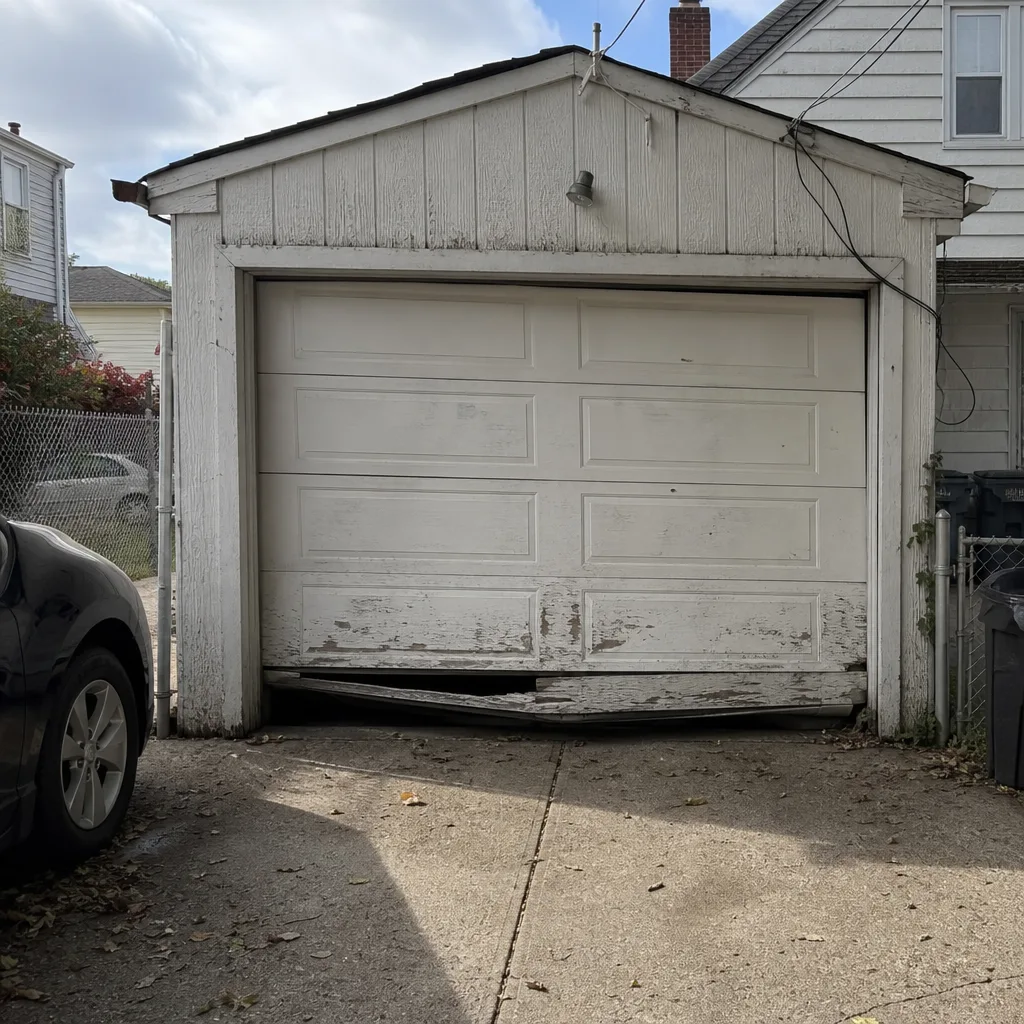 Before
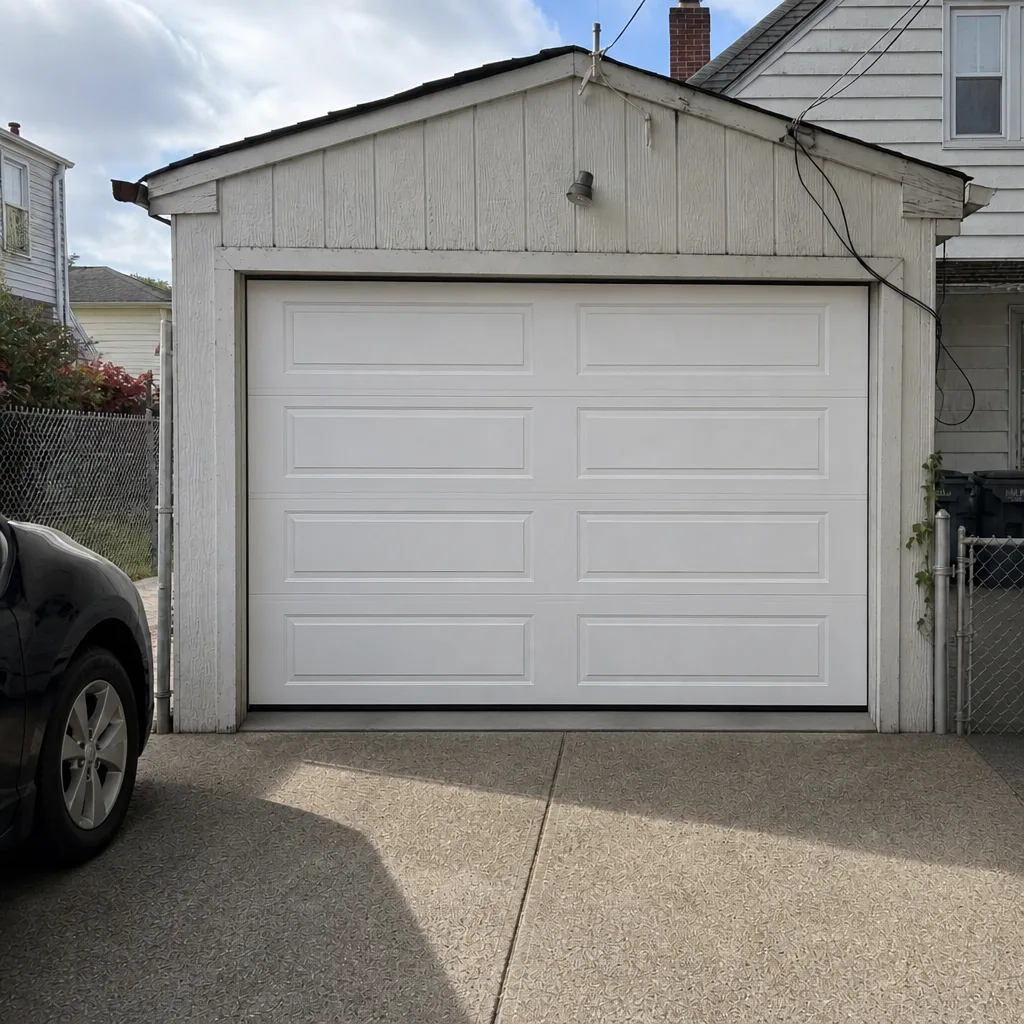 After
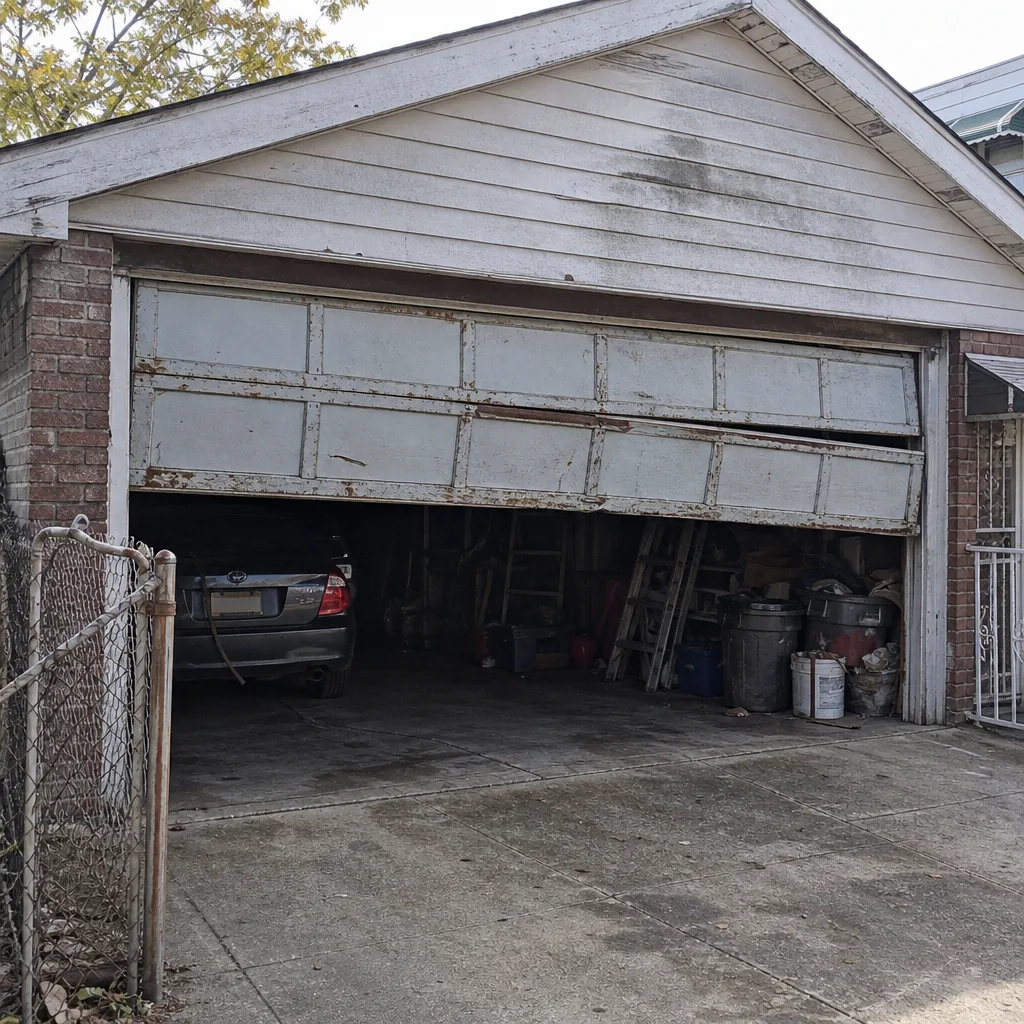 Before
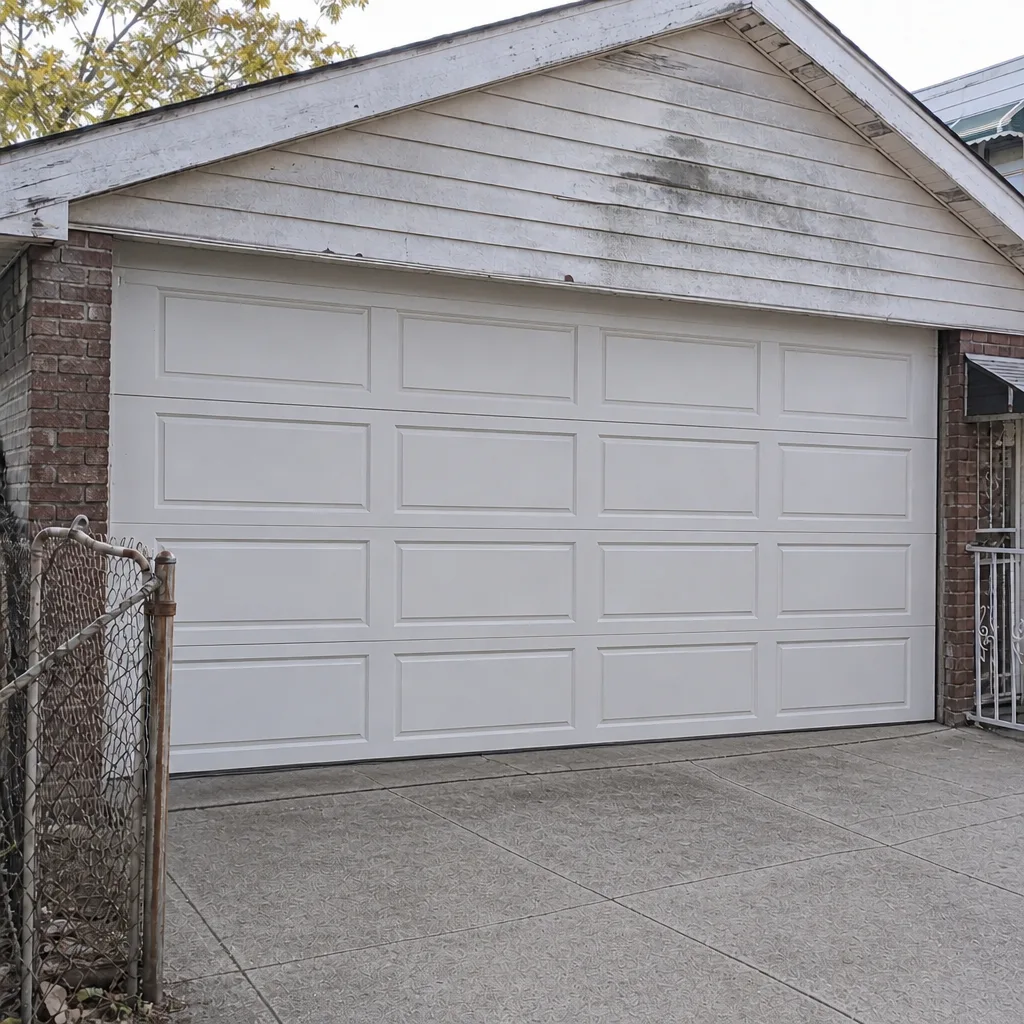 After
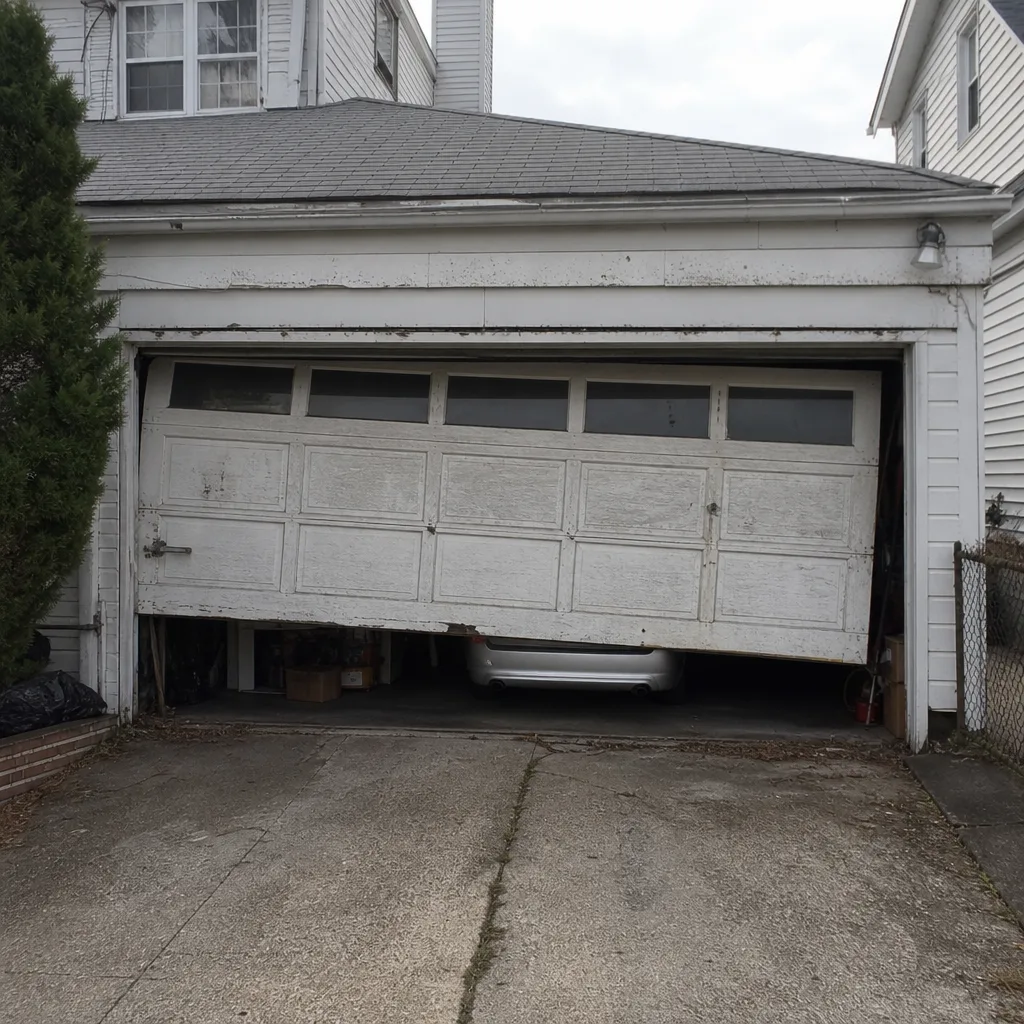 Before
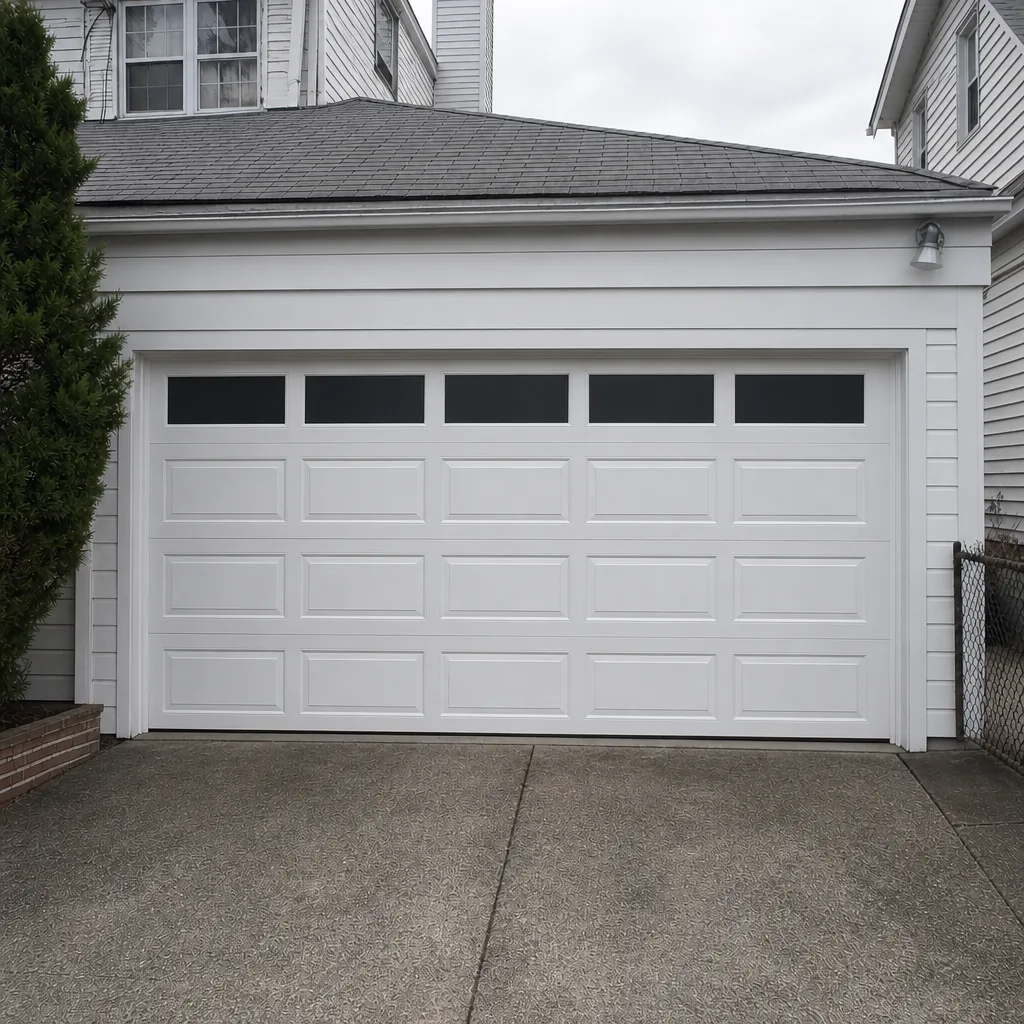 After