Last updated November 21, 2026
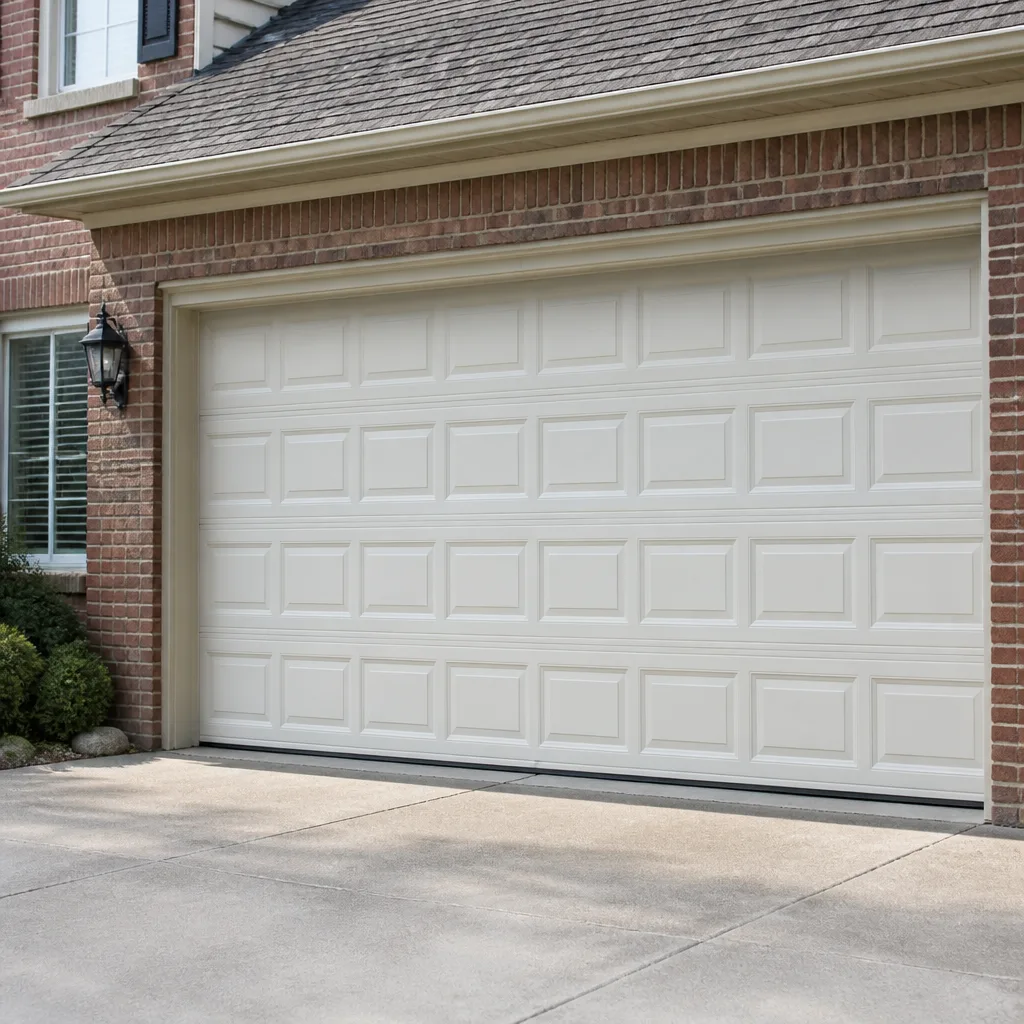 Raised-panel steel
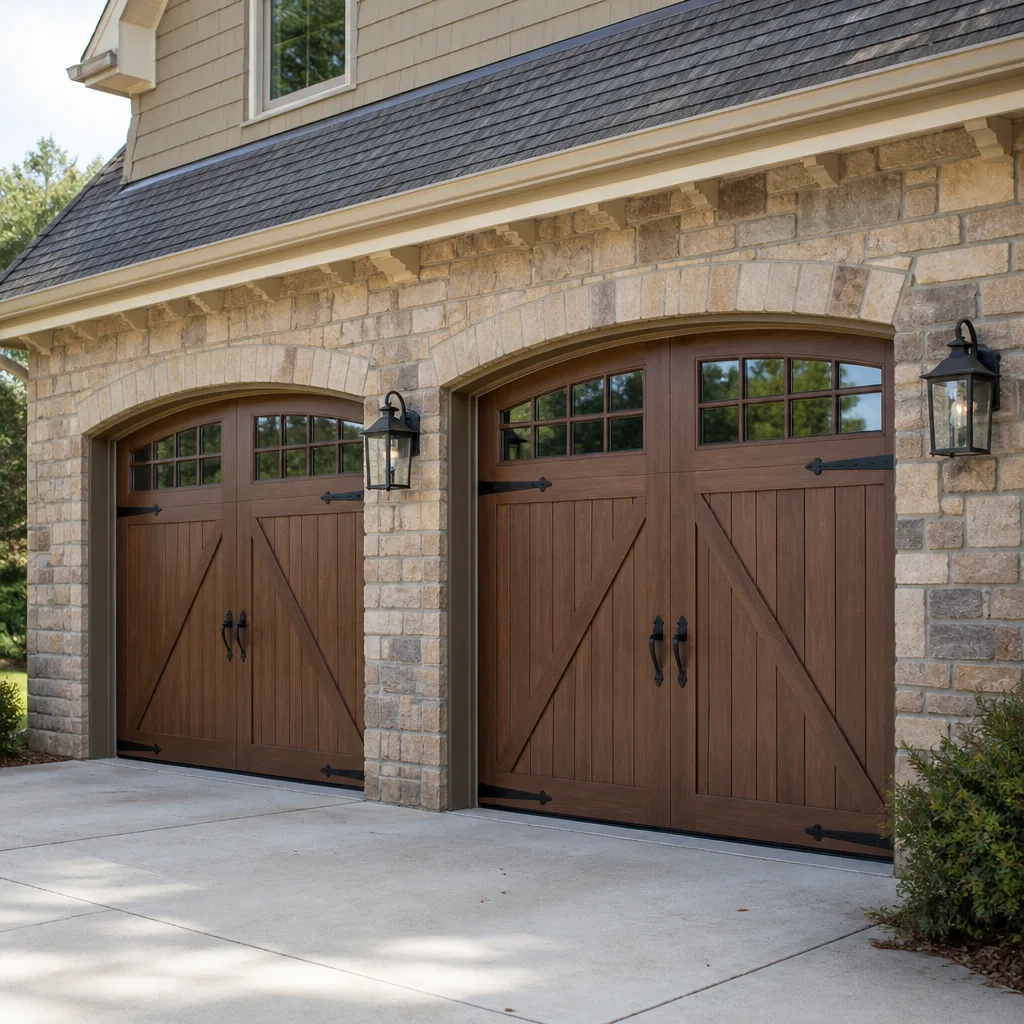 Carriage house
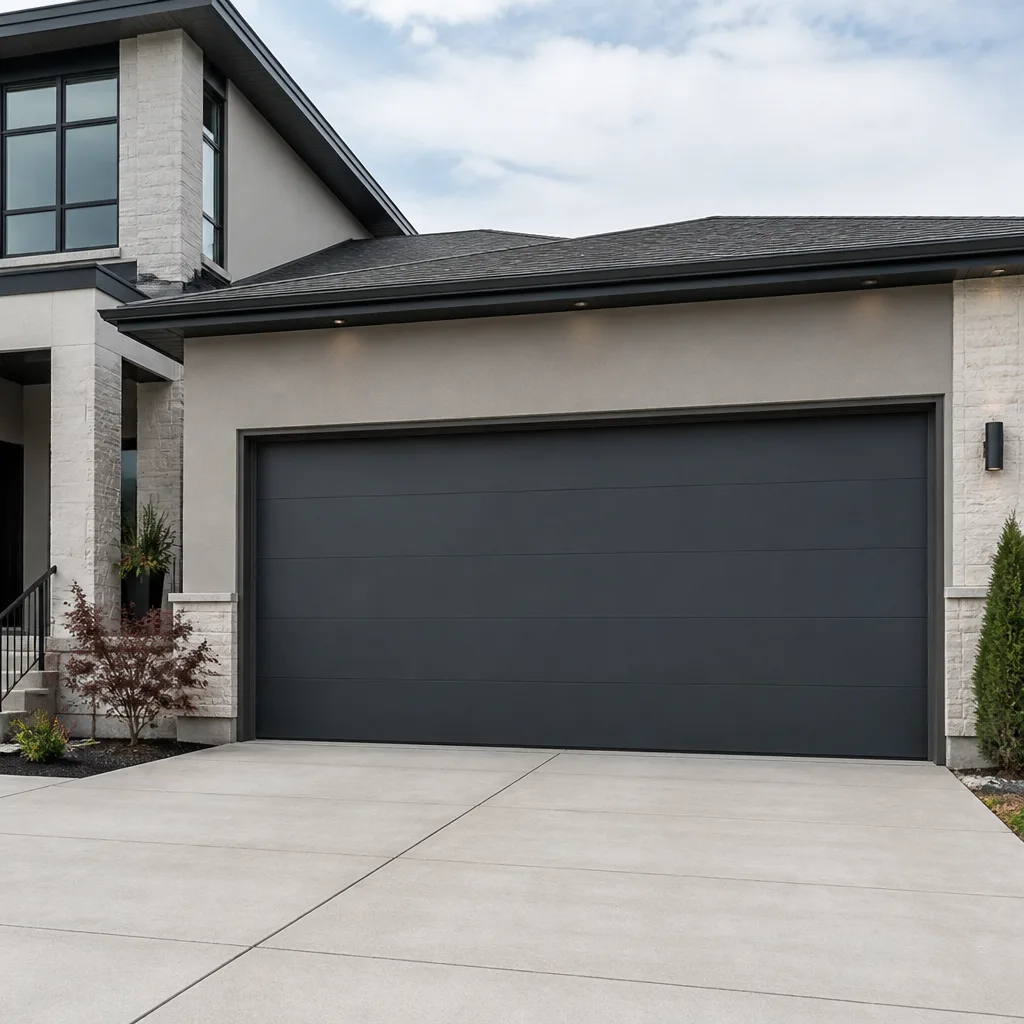 Modern flush
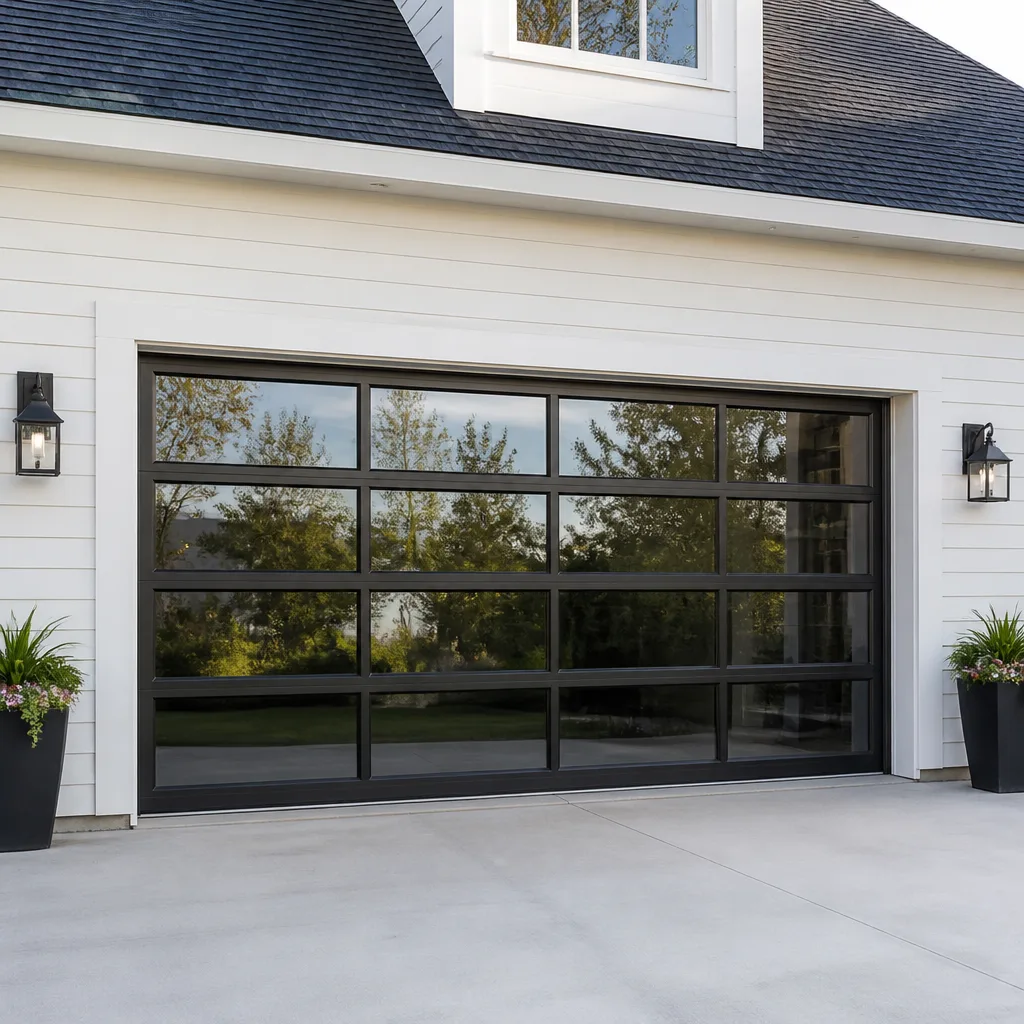 Full-view glass
 LiftMaster openers
 Chamberlain openers
Full 25-point door and opener safety check with every visit - springs, cables, rollers, tracks, and your LiftMaster or Chamberlain opener included
You get a price before we start. It does not change when the pro arrives.
Get your free estimateGarage Door Permits, Codes & Inspections in East Flatbush, NY: What You Need to Know
Here’s the part most contractors skip: a straight door-for-door replacement with no structural changes usually needs no permit at all. Add two inches to the opening height to fit a new SUV, though, and you’ve crossed into NYC Department of Buildings territory. The contractor who didn’t mention that is a liability, not a bargain. This guide draws the exact line between what’s exempt and what isn’t in East Flatbush, how electrical permits for new openers get handled, why Certificate of Occupancy alignment matters on pre-war houses, and what an unpermitted job can cost you at resale.
Quick Answer
A like-for-like garage door replacement in East Flatbush that keeps the same opening size and doesn’t alter the structure typically needs no DOB permit. Any project that changes the opening dimensions, cuts or reframes the header, or adds new electrical work for an opener generally requires a permit and inspection. If you’re ever unsure, the answer is a phone call to the NYC Department of Buildings before work starts, not after.
Styles & brands we work with
- Raised-panel steel
- Carriage house
- Modern flush
- Full-view glass
- LiftMaster openers
- Chamberlain openers
Table of Contents
- When Does a Garage Door Project Need an NYC Permit?
- What Counts as a Like-for-Like Replacement?
- Electrical Permits and New Opener Installations
- Certificate of Occupancy Alignment on Pre-War East Flatbush Homes
- How to Check Existing DOB Filings Before You Start
- What Happens at Resale If Garage Door Work Was Unpermitted
- Why This Climate and Neighborhood Housing Stock Changes the Math
- Common Mistakes to Avoid
- When to Call a Professional
When Does a Garage Door Project Need an NYC Permit?
The deciding factor is whether you’re changing the size, structure, or systems of the opening. If you’re swapping a door of the same dimensions into the same frame with the same hardware setup, you’re generally in exempt territory. If anything about the opening itself changes, you’re not.
The NYC Department of Buildings draws a clear line: a permit is normally required for any work that alters the size or location of a garage opening, changes structural framing around the header, or involves new electrical or mechanical systems. That last part catches homeowners off guard. A new opener with a new circuit is a mechanical-electrical project, not just a door swap.
What Triggers a Permit Under DOB Rules
Based on how DOB handles residential projects in East Flatbush and across the boroughs, these conditions typically require a filing:
- Changing the opening height or width. A two-inch lift for a taller vehicle counts. So does widening for a wider door.
- Cutting, reinforcing, or replacing the structural header. The header carries load. Modifying it is structural work.
- Installing a new electrical circuit for an opener. Covered in more depth below, but this often needs an electrical permit.
- Converting a garage to a different use or changing its egress. Different filing, same principle.
- Reframing or repositioning the door within the opening. Even small changes can mean new jamb conditions.
What Usually Does Not
Replacing panels. Changing springs or torsion hardware. Swapping a broken opener motor for a new unit on the same wiring. Replacing rollers, hinges, or weatherstrip. Upgrading the door from steel to insulated steel in the same opening size. These are maintenance and like-for-like work, not construction filings.
We field a lot of calls from East Flatbush homeowners who want to know: “if I just replace the door, do I need a permit?” For a same-size replacement, the honest answer is usually no. For anything else, get a professional who knows the difference and can walk you through it.
If you need a door replaced on a like-for-like basis and want an honest read on the permit question, you can request a free estimate for garage door installation without any sales pressure on the code question.
What Counts as a Like-for-Like Replacement?
Like-for-like means the new door matches the old one in every dimension that matters to the building: same opening width, same opening height, same headroom requirement, same track configuration, same header condition. If the door is a 16-by-7-foot double-car steel door, the replacement is a 16-by-7-foot steel door.
The Four-Point Check We Use
- Measure the opening, not the door. Manufacturers spec doors to the finished opening. If the opening has shifted over decades of settling, you’ll want a real measurement before ordering, not the nominal size from the old door’s paperwork.
- Confirm the header is untouched. Same beam, same load path, same fastening points. If the header needs sistering or repair, you’re not exempt anymore.
- Verify the spring configuration matches. A torsion-to-extension conversion or a change from one spring to two counts as a mechanical change. Same setup, same count, same hardware type: exempt.
- Check opener wiring. Reusing the existing circuit and outlet means no electrical filing. Running new wire for a smart opener with a different power requirement is a different story.
Where East Flatbush Homeowners Get Tripped Up
The 1.5-car and 2-car garages common in East Flatbush’s semi-detached and detached homes built between the 1920s and 1950s often have openings that don’t perfectly match modern door specs. A door that “fits” may require a small header shim or a track adjustment. That tiny adjustment is the difference between exempt and permit-required, and it’s exactly the kind of detail a general handyman will gloss over. When you’re choosing a new door, brands like Clopay and Wayne Dalton publish exact opening dimensions for their models, so the fit question can be answered before you order, not after.
Electrical Permits and New Opener Installations
Replacing an existing opener motor with a unit of similar power and wiring is normally a simple swap with no permit. Adding a new opener where there wasn’t one, running new wire from the panel, or upgrading to a system with a different electrical requirement generally falls under NYC electrical permit rules.
This is where a lot of homeowners end up in the awkward spot of “any electrician I called doesn’t want to touch the garage door” and “the garage door company doesn’t want to file electrical permits.” The right answer is a garage door specialist who knows when the electrical work needs to be filed and can either handle the coordination or point you to a licensed electrician who will.
The Three Electrical Scenarios in East Flatbush
- Swap of a like-for-like opener. Same brand family, same voltage, same outlet. No permit in most cases. We service LiftMaster, Chamberlain, Genie, and Craftsman units on this basis all the time, and the swap is straightforward when the wiring is already there.
- New opener installation where none existed. New outlet, new dedicated circuit, new wire run. This needs an electrical permit and an inspection, period.
- Upgrade to a smart opener with a battery backup or a different power draw. Read the manufacturer spec. If the wiring has to change, treat it as new electrical work.
How the Inspection Usually Goes
An electrical inspection for a garage opener circuit is generally a rough-in check plus a final. The rough-in happens before any drywall or panel is closed up. The final happens after the system is energized. If you’re installing an opener for the first time on an East Flatbush garage that never had one, plan for the electrician and inspector before the opener goes up. Reversing the order means opening a wall you just closed.
When an existing opener just dies, we can usually get you back in service quickly on the same wiring. If you’re calling about a door that won’t open right now, our team handles garage door opener repair with a fast dispatch from 7am to 7pm. If the job requires new electrical work, we’ll tell you that upfront so you can plan the filing.
Certificate of Occupancy Alignment on Pre-War East Flatbush Homes
Pre-war housing stock is where the CO question gets real. A house built in 1935 with an attached garage listed at a certain size can have a Certificate of Occupancy and DOB filing history that contradict each other. Change the door dimensions on that garage today and you may create a mismatch between what’s filed with the city and what’s physically there.
That mismatch isn’t automatically a violation. It becomes one when the city notices, when a buyer’s attorney pulls the CO during due diligence, or when a permit application reveals that the building as it sits doesn’t match the record. A two-inch taller door is not a two-inch taller building, but if the door opening was widened, the garage’s listed dimensions at the city may no longer describe the structure accurately.
The Two Ways This Goes Wrong
- Material misstatement. The CO says the garage is a certain width and depth. The door modification widened the opening beyond what the CO shows. That’s a discrepancy the city will want resolved.
- Pre-existing CO issues uncovered by a new permit. A permit filing on a pre-war garage often surfaces older unpermitted work on the same structure. The new permit application forces a review of the whole thing.
What to Do Before You Change the Opening
Pull the property’s DOB records first. Compare the CO to the current physical conditions. If the CO is stale but the structure matches what’s actually there, that’s one thing. If the structure has already drifted from the record, changing the door opening before sorting it out makes the situation harder to unwind.
We’ve been part of this conversation enough times in East Flatbush to know it’s not a reason to avoid needed work. It’s a reason to look before you leap. A garage door specialist who understands the CO question will flag it during the estimate, not after the door is hung.
How to Check Existing DOB Filings Before You Start
You can request the property’s filing history directly from the NYC Department of Buildings, and the DOB’s online records system lets you look up a building by address. Do this before any garage door work that could require a filing, not after.
The Five-Step Lookup Process
- Find the block and lot number. Every NYC property has one. Your deed or a property-tax bill lists it.
- Search DOB records by address or block/lot. You’ll see permits pulled, violations, and Certificates of Occupancy on file.
- Locate the most recent garage-related filing. Confirm what was last filed for the garage, if anything.
- Compare the CO to the current structure. Walk the garage and note the opening size, door type, and any signs of past modification (mismatched framing, patched header, different track layout).
- Call the DOB if anything is unclear. The DOB’s public inquiry line will tell you what they see on the record. The building department is the authority on whether your proposed work needs a filing, not a contractor’s opinion.
Red Flags That Mean You Need a Filings Review
- The garage opening doesn’t match the CO dimensions.
- There’s a history of stop-work orders or open permits on the property.
- The garage was added after the house was built and the addition isn’t clearly in the CO history.
- The header looks patched or reinforced with non-standard hardware.
- Wiring for the opener runs through walls in ways that suggest it was added after the fact.
If you’re calling us for a garage door repair on a door that has clearly been modified before, let us know. We can’t file permits on your behalf, but we can spot the signs that a filings review is worth doing before we touch the opening.
What Happens at Resale If Garage Door Work Was Unpermitted
Unpermitted garage door work rarely stops a sale outright, but it can slow one down and cost you leverage in the negotiation. The buyer’s attorney will pull DOB records. The buyer’s inspector will note discrepancies. And your agent will have to answer for what appears on the record.
The Practical Consequences
- Attorney review questions. Most NYC purchase contracts give the buyer a window to review DOB records. An obvious unpermitted door modification invites questions.
- Negotiation leverage. A buyer who spots an unpermitted structural change will often ask for a price reduction or a credit at closing. That credit is usually larger than the permit filing would have been.
- Retroactive filing costs. If the buyer (or the lender) insists on the work being legalized, the seller typically pays for the retroactive filing, which can require an architect or engineer to prepare and file plans, plus inspection fees.
- Lender objections. Some lenders will not fund a mortgage on a property with unresolved DOB discrepancies on the structures they’re financing.
- Delayed closing. Even when a resolution is quick, the time to sort out an unpermitted structural change at the eleventh hour can push back a closing date.
Why Garage Doors Specifically Trip Up Sales
Attached garages are part of the house’s structure. A door modification that changed the opening size is a visible, measurable difference between the CO and the property, and it gets noticed. Detached garages in East Flatbush backyards can fly under the radar longer, but they’re still on the CO. When the sale is happening, everything gets looked at.
The Retroactive Filing Path If You’re Already There
If unpermitted work has already happened, the resolution is generally a retroactive filing with the DOB. That typically means an architect or licensed engineer prepares plans showing existing conditions, the filing goes in, the work is inspected, and if it meets code, the record gets updated. It’s more involved and more expensive than pulling a permit upfront, but it’s the path to closing a sale.
Why This Climate and Neighborhood Housing Stock Changes the Math
East Flatbush sits on the coastal plain of Brooklyn with a climate that moves from humid summers to freeze-thaw winters every year. That cycle works wood framing, rollers, tracks, and hinges constantly. A door that lived twenty years in a dry climate will often show more wear here by year ten, and that wear is what pushes a “simple replacement” into “structural repair” territory, which changes the permit question.
What That Means in Practice
- Header wear is common. Decades of seasonal movement in pre-war framing means the header is often not perfectly straight. A door replacement that has to shim the header to hang properly is not a pure like-for-like, even if the door size matches.
- Track and jamb settling. The semi-detached and row-house garages that define much of East Flatbush share framing with neighboring structures. Settling is common, and track adjustments are often needed.
- Salt on the roads. Brooklyn uses road salt during winter storms. It doesn’t touch the door as much as it touches the vehicle, but the residual on the cars pulls into garages and works on the bottom door seal, hinges, and hardware. Rusted hinges and seals get replaced often in this neighborhood.
- Neighborhood housing variety. The blocks between Remsen Avenue and Kings Highway have houses from many decades, and the garage on each one has its own history. What’s exempt on one property may not be on the next.
This is exactly why we suggest an on-site assessment before you commit to a replacement strategy. The brand of your door matters less than the state of your opening. A Clopay or Amarr door with a clean opening installs like a like-for-like swap. On a Wayne Dalton door in a garage that settled 15 years ago, the same job may need header work that triggers a filing.
Common Mistakes to Avoid
- Assuming every replacement is exempt. Like-for-like is exempt in most cases. Any change to opening size or structure is not. Verify the specifics before you sign anything.
- Letting the door installer choose the opener circuit. New opener, new circuit is electrical work. Have a licensed electrician review and file if required. If they won’t file, hire someone who will.
- Skipping the DOB records check. Pull the filings on the property before the work begins. Discrepancies on record are cheaper to resolve before the job than after.
- Assuming the CO “doesn’t matter” for a garage. The CO lists the garage dimensions. If the opening changes and the CO doesn’t, that’s the discrepancy a buyer’s attorney spots at closing.
- Hiring a general handyman for a structural change. Spring work and small repairs are one thing. Anything that touches the header or opening size belongs with a specialist who understands what needs filing.
- Waiting until a sale to look at prior work. If unpermitted work happened before you bought the property, sort it out now. Not next spring when the house is on the market.
- Believing a verbal “no permit needed” is the end of the question. Get it in writing alongside the written estimate. The written estimate sets the price, and the written project scope sets the permit conversation.
When to Call a Professional
Call a specialist when the proposed work touches the header, changes the opening size, requires new electrical work for the opener, or when you can’t tell from a visual inspection whether the door in front of you matches the dimensions on file with the city. Call us sooner if your springs are broken, the door is off track, or the opener has stopped and you’re without garage access today. Springs are dangerous and should never be touched without training. Our technicians have up to 14 years of experience on the specific systems most East Flatbush homes have, from Clopay and Amarr doors to Craftsman and Chamberlain openers. Garage Door Repair East Flatbush offers free estimates in East Flatbush. Call (855) 658-4194 and we’ll walk through what your door actually needs and where the permit line is.
See the difference
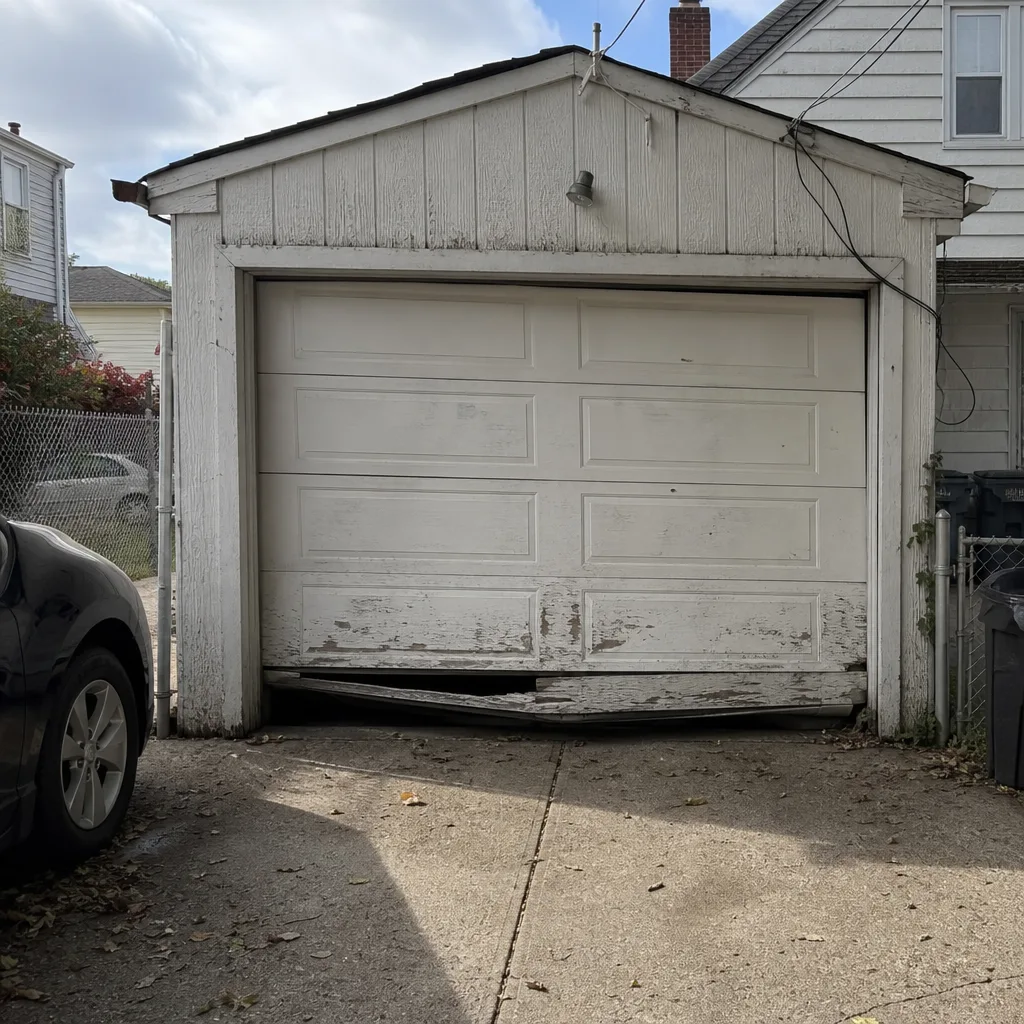 Before
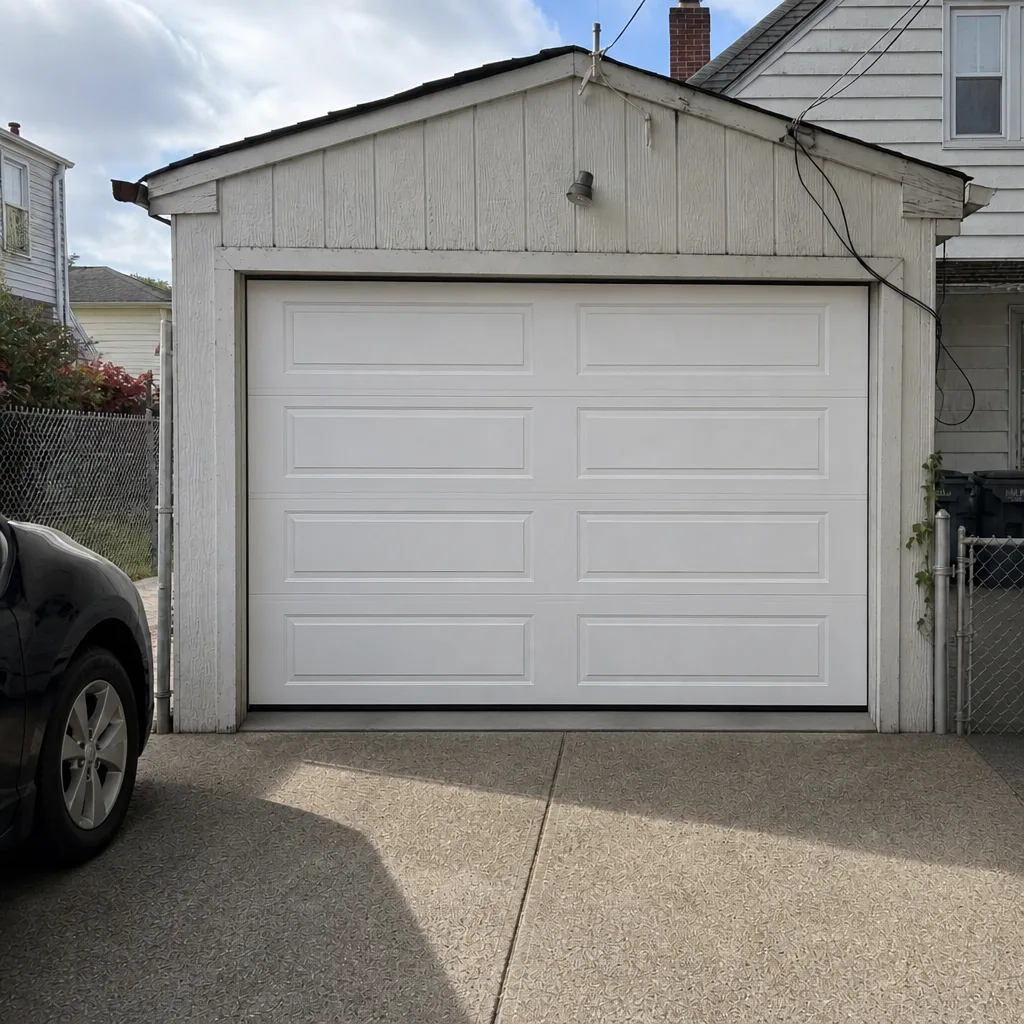 After
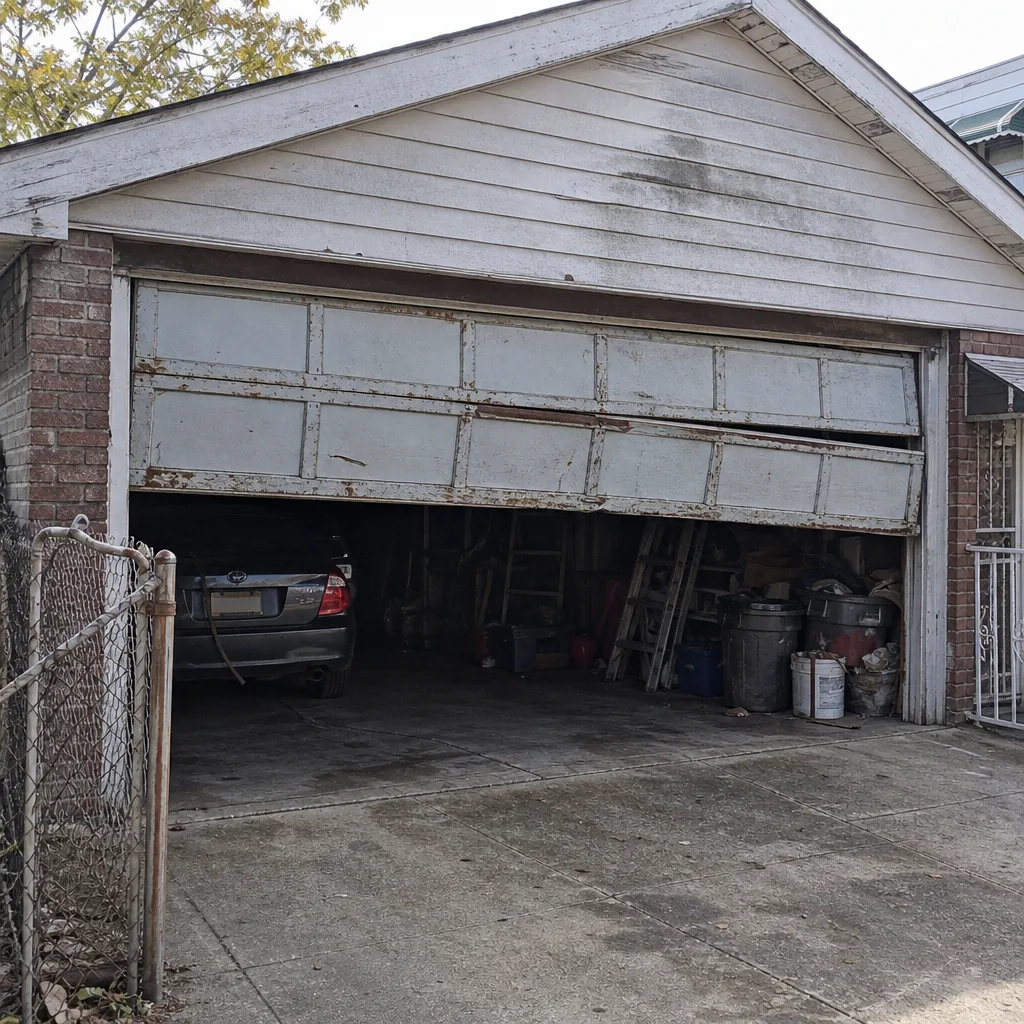 Before
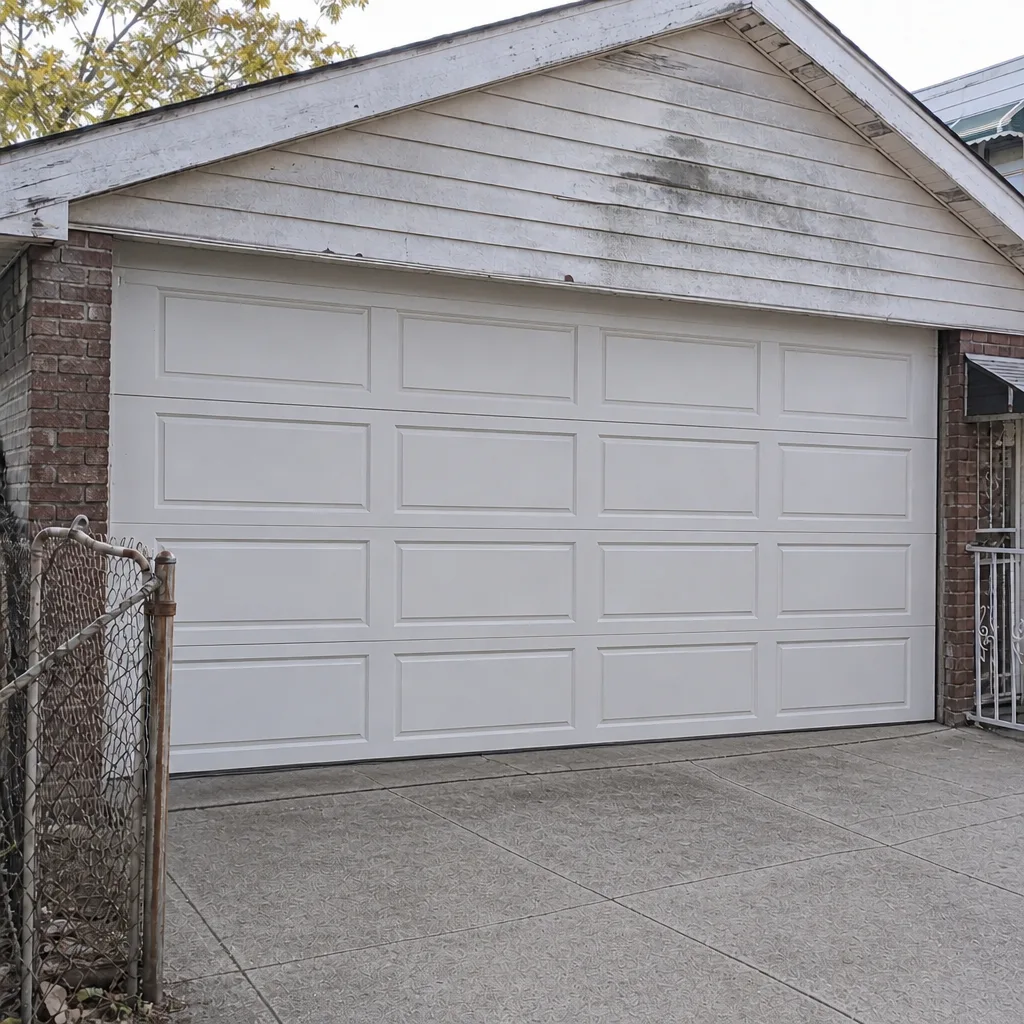 After
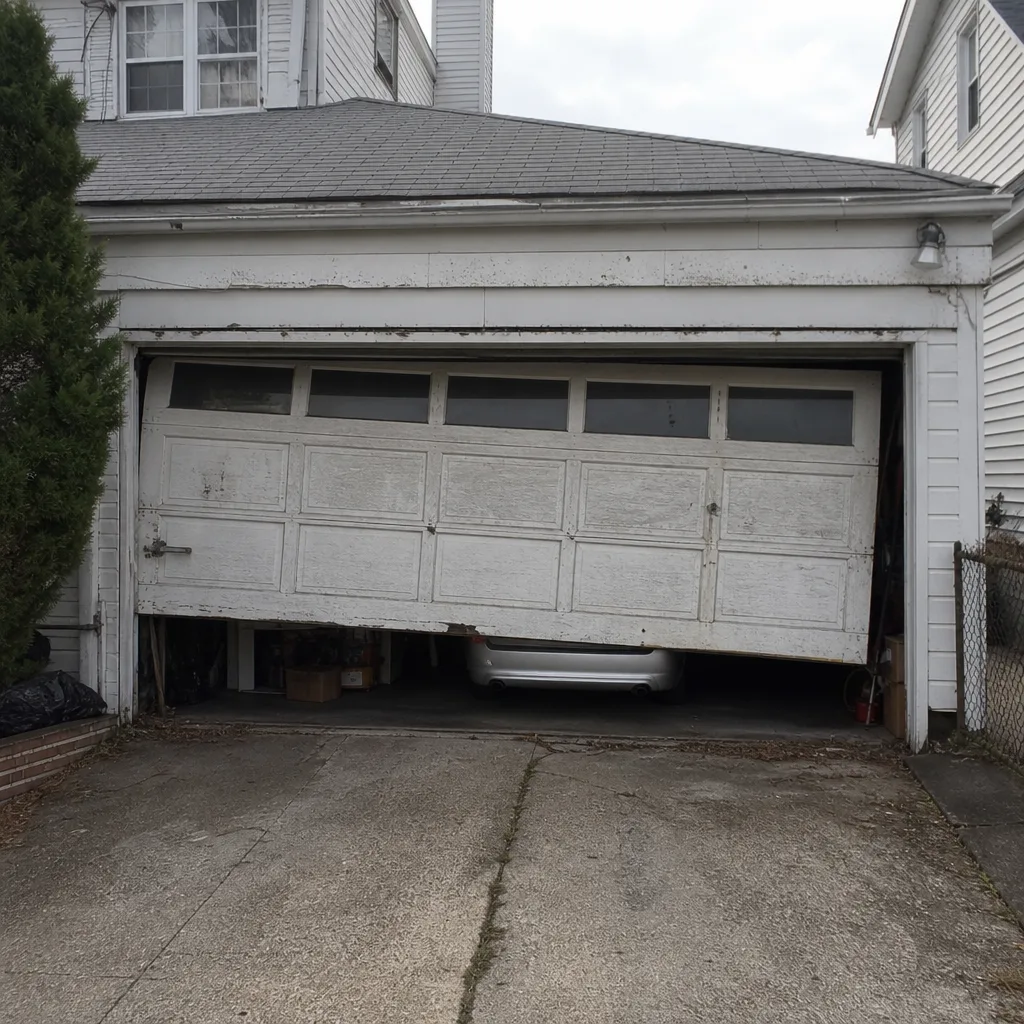 Before
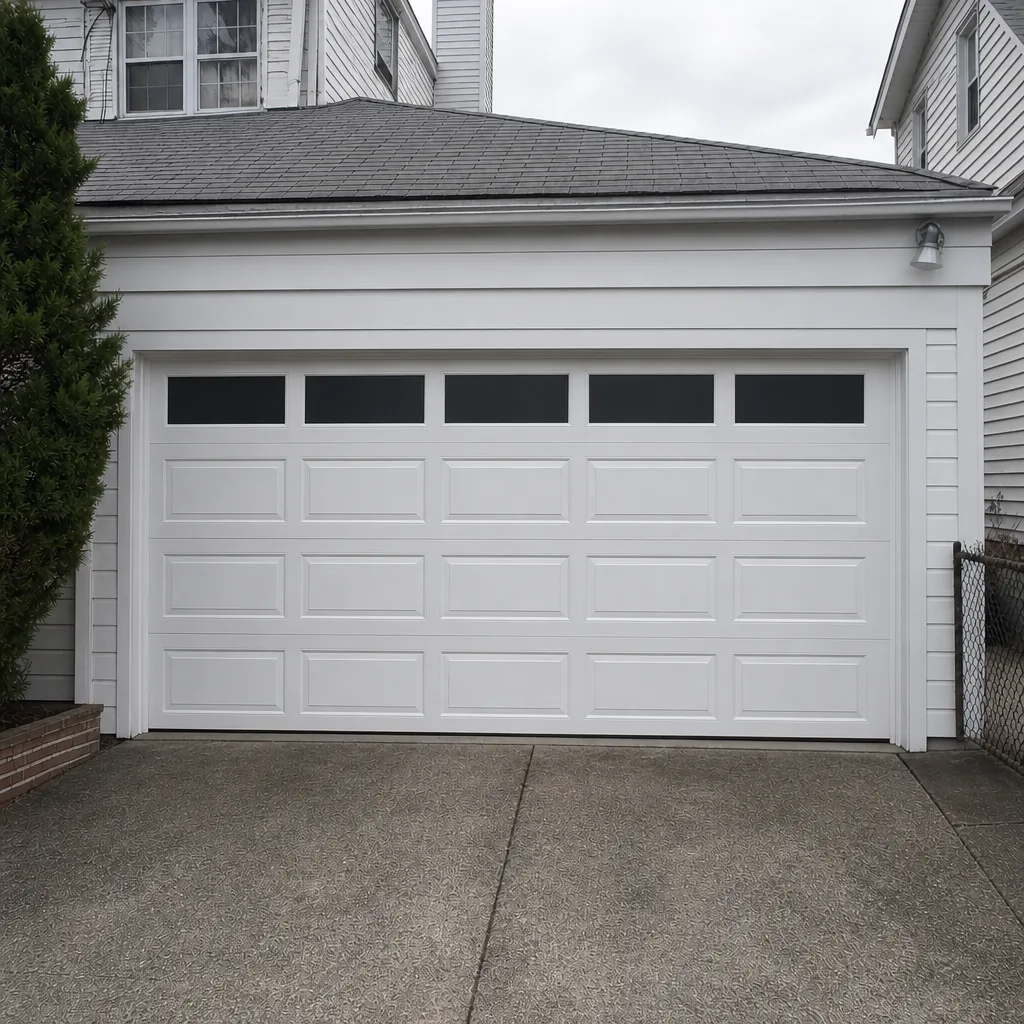 After
Frequently Asked Questions
Not for a like-for-like replacement at the same opening size with no structural or electrical changes. Any project that changes the opening, modifies the header, or adds new electrical work generally does. Confirm with the NYC Department of Buildings before work starts if you’re unsure. Call (855) 658-4194 for an estimate, and we’ll flag the code question during the visit.
A like-for-like replacement keeps the opening width, height, header, and hardware configuration identical to what’s there. A modification changes at least one of those, such as a taller or wider opening, a reframed header, or new opener wiring. The first is usually exempt. The second usually isn’t. The written estimate should state which category your project falls into.
It can slow the sale and cost you leverage in negotiation, especially when the door modification created a mismatch between the property and its Certificate of Occupancy. It rarely stops a sale outright if the buyer wants the house, but resolution typically means a retroactive filing. Sorting it out before listing is cheaper than doing it during attorney review.
If you’re adding a new opener where none existed or running a new circuit, yes, that work generally falls under NYC electrical permit rules. A swap of an existing opener for a comparable unit on the same wiring usually does not. When in doubt, have a licensed electrician assess the wiring before the opener goes up.
Look up the block and lot number on your deed, then search DOB records by address or block/lot. You’ll see permits pulled, violations, and Certificates of Occupancy on file. Compare the CO to the current physical conditions of the garage. If anything doesn’t match, call the DOB before committing to the work.
Yes. Emergency service is available for situations where a malfunctioning door is blocking access or creating a security concern. A repair that gets the door moving again is often separate from the permit question. Call (855) 658-4194 for a free estimate, and we’ll tell you whether the repair is maintenance or a filing-required change.
The Bottom Line
Most East Flatbush garage door replacements don’t need a permit, but the exceptions matter more than the rule. Any change to the opening size, the header, or the electrical setup generally brings the NYC Department of Buildings into the project. Checking the property’s CO and filing history before you start saves the kind of headache that surfaces at resale. And when the job is straightforward, a specialist who knows exactly where the line is gets the door installed clean. Our technicians have up to 14 years of experience, work every major door and opener brand, and can walk through the code question on the same visit as the estimate. If you’re still not sure what your project needs, start by reading up on our Garage Door Repair East Flatbush services or calling for a straight answer before any door gets ordered.
Let’s Talk Through Your Project
Every East Flatbush garage is a little different, and the permit question usually has a clear answer once someone actually looks at the opening. We offer free estimates, upfront pricing, and a written scope you can keep. Call (855) 658-4194 today.
Written by the team at Garage Door Repair East Flatbush.